Water is one of those everyday necessities that becomes almost invisible. You turn on the faucet, fill a glass, wash your hands and carry on. Most days, nobody stops to wonder what is happening inside the pipes or why the shower suddenly has a chalky film around the drain.
Then the little things start adding up.
The dishes come out of the dishwasher with marks. Your skin feels tight after a shower. Faucets need cleaning more often than they used to. Maybe the coffee doesn’t taste quite right, either. None of these signs necessarily means something is seriously wrong, but together they can suggest that the water deserves a closer look.
Understanding the source of the problem is usually a better first move than immediately buying treatment equipment.
Look at What the Water Is Leaving Behind
One of the easiest ways to notice a water-quality issue is to look at your fixtures. White or cloudy deposits around faucets, showerheads and glass doors are common signs of mineral-rich water.
Calcium and magnesium, the minerals most often associated with hard water, can remain behind when water evaporates. At first, it’s just an annoying spot. Eventually, the residue can become harder to remove and may collect inside appliances that regularly heat water.
A kettle with a thin layer of mineral residue might not seem like a big deal. But when similar deposits are developing inside a water heater, dishwasher or other equipment, the story is a little different.
The Hidden Cost of Mineral Deposits
Hard water doesn’t always announce itself dramatically. More often, it works slowly.
Mineral deposits can accumulate inside pipes, valves and water-using appliances. Over time, that may contribute to reduced appliance efficiency, particularly in equipment that heats water. The buildup creates another layer between the water and the heating surface, making the appliance work harder to do its job.
That doesn’t mean every hard-water home will suddenly experience appliance failure. Real life isn’t quite that neat. But reducing unnecessary scale can be part of sensible household maintenance, especially when water hardness is significant.
A water heater, for example, is already doing a demanding job. It doesn’t need an extra layer of minerals making things harder.
Why Testing Comes Before Treatment
It’s tempting to assume that every water complaint is caused by hard water. It isn’t.
Taste and odor can have different causes. Sediment may enter through a private well or plumbing system. Iron can contribute to staining, while other dissolved substances may not be visible at all.
A proper water test gives homeowners useful information before they spend money on equipment. Depending on the situation, testing may look at hardness, pH, iron, manganese, sediment and other water-quality characteristics.
This is particularly important for private wells, where conditions can change over time. A test from several years ago may not tell you exactly what is happening today.
What Dry Skin Has to Do With Water
The bathroom can provide another clue. Some people notice that their skin feels tight or uncomfortable after showering, especially in areas with hard water.
Hard water isn’t necessarily the sole cause of skin dryness. Hot showers, cold weather, soaps, detergents and personal skin conditions can all play a role. Still, if dry skin seems to appear alongside other signs of hard water, it may be worth investigating.
Simple changes can help. Try lowering the shower temperature, avoid excessively long showers, and use a gentle moisturizer afterward. If irritation persists or becomes severe, it’s better to discuss it with a healthcare professional rather than assuming the water is responsible.
Water quality is one possible piece of the puzzle, not always the whole puzzle.
Those Spots on Your Glassware
Few household frustrations are as oddly specific as washing perfectly good glasses and finding them covered in tiny white marks afterward.
Hard water can leave mineral residue as droplets dry on glassware. The result is spotted dishes that look less than clean even when the dishwasher has done its job properly.
Before blaming the appliance, check detergent quantity, rinse-aid settings and the dishwasher filter. Make sure spray arms are clear and that the machine is being loaded according to its instructions.
If the spotting keeps happening across different cycles, water hardness may be contributing. Testing can help confirm whether minerals are part of the problem.
Not Every Home Needs the Same Solution
Water treatment isn’t a competition to see who can install the most equipment.
If drinking water taste is the main complaint, a point-of-use filter may be enough. If hard water is affecting bathrooms, laundry, appliances and multiple faucets, a whole-home softening approach could be more appropriate.
Sediment may call for a dedicated sediment filter. Certain odors may respond to activated carbon or specialized treatment. Some dissolved contaminants require other technologies entirely.
The important thing is matching the treatment to the water.
A complicated system doesn’t automatically produce better results. In some cases, it simply creates more components to maintain.
Think About Household Water Demand
System selection should also account for how much water the household actually uses.
A small home with two residents has different demands from a large family with several bathrooms. Morning showers, laundry, dishwashing and other simultaneous uses can create short periods of high demand.
Flow rate matters because a treatment system needs to handle those moments without creating frustrating pressure problems.
This is one reason professional sizing can be worthwhile. Equipment should be selected according to water conditions and expected demand, not simply the size of the house or the most popular product on the market.
Quality Equipment Matters, Too
Once the water problem has been identified, equipment quality becomes another consideration.
A treatment tank, control valve, filter housing or other component will be expected to operate day after day, often without anyone thinking about it. Materials and construction therefore matter.
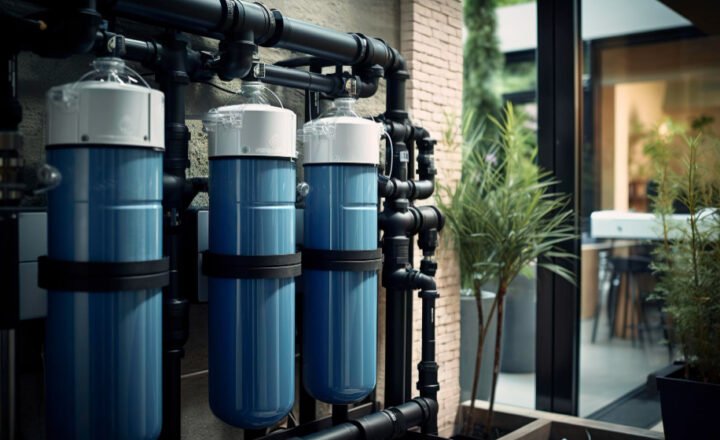
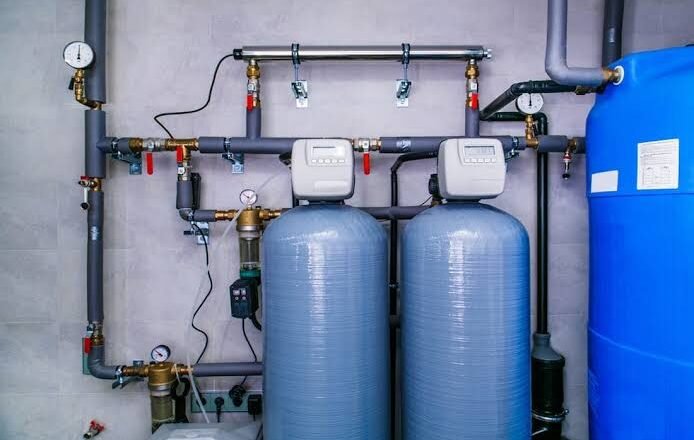
For systems that rely on resin-based softening, high-quality resin tanks can be an important part of a dependable installation. The tank itself isn’t the only factor, of course. Proper sizing, quality components, correct installation and regular servicing all work together.
It’s useful to ask what parts are covered by warranty, how replacements are handled and whether service support is available after installation.
Maintenance Is Easy to Forget
Water treatment equipment works quietly, which is exactly why maintenance can slip people’s minds.
Filters need replacement. Softener settings may need adjustment. Some systems require cleaning or sanitation. Components can eventually wear out.
A simple maintenance record can prevent a lot of guesswork. Write down when filters were replaced, when the system was serviced and when water was last tested.
Watch for changes, too. A sudden pressure drop, unusual taste, recurring staining or a noticeable change in water quality deserves attention. Don’t wait until the equipment stops working completely.
Make Decisions Based on Evidence
The best water treatment decisions usually begin with curiosity rather than fear.
Notice the symptoms, but don’t assume you already know the cause. Test the water when appropriate. Consider the source, household usage and plumbing setup. Then compare treatment options based on what the results actually show.
This approach can save money, reduce unnecessary equipment and make future maintenance easier.
Better Water Starts With Knowing Your Water
Water quality affects more of daily life than most people realize. It can influence the appearance of fixtures, the performance of appliances, the way dishes look and even how comfortable a shower feels.
That doesn’t mean every home needs a major treatment installation. Sometimes the answer is a relatively simple adjustment. Sometimes a dedicated system makes sense.
Either way, the smartest place to begin is with information.
When you know what’s in your water and understand what you want to improve, choosing the right solution becomes much less mysterious. And once the right equipment is in place and properly maintained, the best outcome is almost boring — the water simply works the way you want it to, day after day.