Water quality tends to get noticed in small, slightly annoying ways. The shower door looks cloudy again. The kitchen faucet has a chalky ring around its base. A freshly washed glass comes out of the dishwasher with spots that weren’t part of the plan.
None of these things feels like a crisis. Still, when they happen every day, they start to wear on you.
Hard water is often behind these little frustrations. It contains naturally occurring minerals, mainly calcium and magnesium, which can leave deposits on fixtures and interfere with the way soap and detergents work. For many households, treating hard water isn’t about chasing some perfect definition of “pure” water. It’s about making the home easier to live in.
And the benefits can reach further than most people expect.
Start With What the Water Is Actually Doing
Before choosing a treatment system, it’s worth understanding your water rather than assuming hardness is the only issue.
A water test can help identify hardness levels and other characteristics that may affect your plumbing, appliances, fixtures, or everyday water use. Depending on the source, testing may reveal things such as iron, sediment, pH, chlorine, or other dissolved substances.
That information matters because different problems require different solutions.
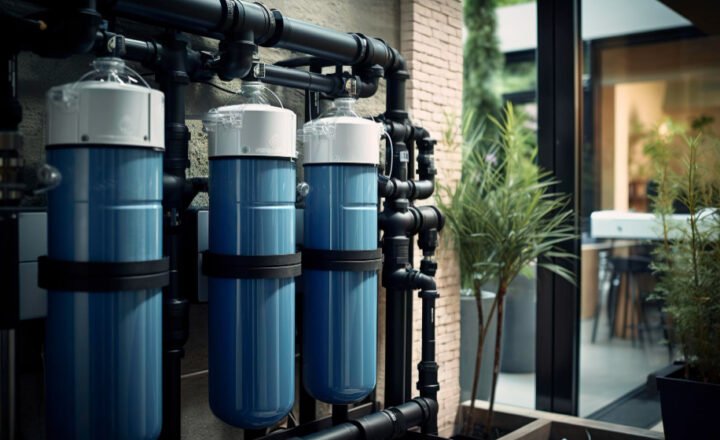
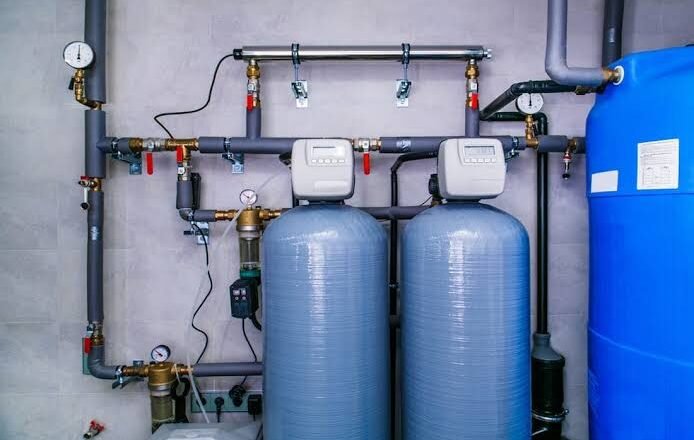
A water softener, for example, is designed primarily to reduce hardness minerals. It isn’t a universal filtration system. If your home has several water-quality concerns, you may need a combination of treatment methods.
Knowing the actual problem first keeps the solution practical.
Protecting the Things You Don’t See
One of the biggest advantages of reducing hard water is something you may not notice immediately.
Minerals can accumulate inside pipes, water heaters, dishwashers, washing machines, coffee makers and other equipment that regularly comes into contact with water. The buildup happens gradually, so it’s easy to ignore until performance begins to change.
Appropriate treatment can help protect plumbing & appliances by reducing the amount of hardness minerals moving through the household system.
That doesn’t mean a softener guarantees that every appliance will last longer. Equipment life depends on many factors, including design, maintenance, water temperature, usage and installation quality. Still, reducing unnecessary mineral exposure can be a sensible part of protecting water-using equipment.
It’s a bit like cleaning your car regularly. It doesn’t make the car immortal, but it certainly doesn’t hurt.
Why Kitchens Often Show the Problem First
The kitchen is one of the easiest places to notice water-quality issues because so much happens there.
Water is used for cooking, drinking, washing dishes, filling appliances, cleaning counters and making coffee or tea. Hardness can leave spots on stainless steel, residue around faucets, and deposits inside kettles and coffee equipment.
For many homeowners, the appeal of treatment becomes obvious once cleaning starts feeling easier.
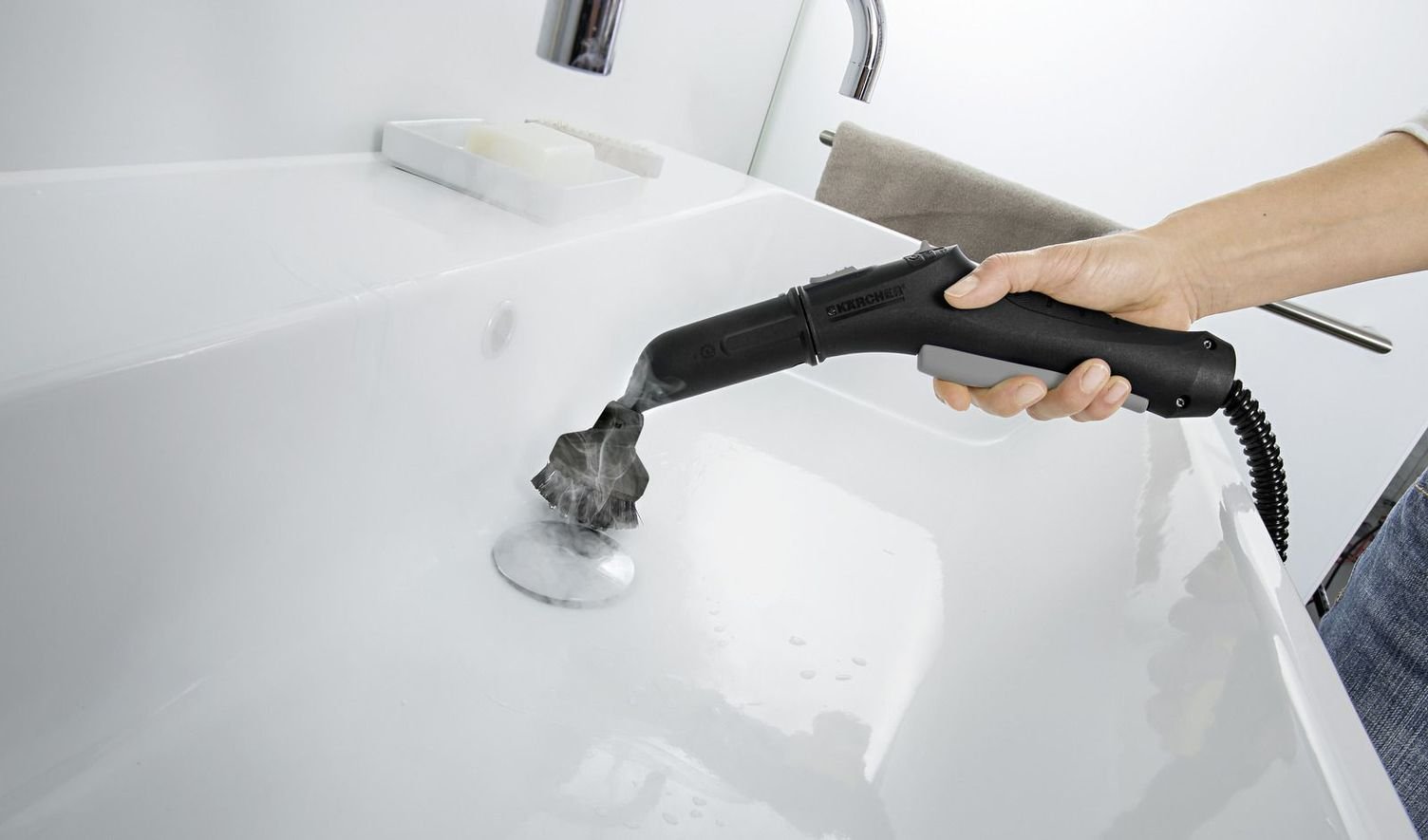
Better water can contribute to cleaner kitchens & bathrooms, particularly by reducing mineral deposits on surfaces. You’ll still have to wipe the counters — unfortunately, water treatment hasn’t solved that particular household problem — but the stubborn white residue may be less of an issue.
Small improvements like that can make routine cleaning feel noticeably less tedious.
The Shower Can Tell a Story Too
Step into a shower after cleaning the glass doors, and you’ll quickly discover whether the water has other plans.
Hard water minerals can leave spots and films on shower surfaces, faucets and tiles. Soap residue may also become more noticeable because hard water can interfere with lathering and rinsing.
This is one reason people sometimes use more soap, shampoo or cleaning products than they actually need. They’re responding to how the water behaves.
Treating the hardness doesn’t eliminate every shower-related problem, but it can make everyday washing and cleaning more pleasant.
And then there’s the personal side of it.
What About Skin and Hair?
People often report that softened water makes their skin or hair feel different. Some notice that soap rinses more easily, while others say their hair feels less coated after washing.
For some households, this can mean softer skin & hair, although individual results vary considerably. Skin type, hair type, soap, shampoo, water temperature, climate and personal habits all influence how someone experiences water quality.
It’s best not to treat softened water as a medical or cosmetic cure. It isn’t. But if hard water has been leaving behind mineral residue or making products difficult to rinse away, changing the water chemistry may improve the overall experience.
Sometimes the difference is subtle. Sometimes it’s surprisingly noticeable.
Laundry Can Benefit Too
Water quality doesn’t stop mattering once the bathroom door closes.
Hard water can affect how detergents perform, which may leave clothes feeling less clean or looking dull over time. Some households respond by adding more detergent, but that isn’t always the best answer.
If the water is significantly hard, improving the water condition may help detergents work more effectively.
Again, results depend on the water, the detergent, the washing machine, and the fabrics involved. There is no guarantee that softened water will suddenly transform laundry day into a luxury experience.
But if you’re already dealing with mineral-heavy water, it’s certainly worth considering the effect it has on your washing routine.
Your Water Heater Deserves a Mention
Water heaters are another place where hardness can become relevant.
Heating water can encourage dissolved minerals to form deposits. Over time, those deposits may collect inside tanks or around heating elements, depending on the type of equipment.
Regular maintenance remains important, even if you have a softener. Treatment doesn’t replace manufacturer-recommended servicing or good maintenance habits.
If you’re noticing unusual noises, reduced hot-water performance, or other changes, don’t automatically blame hard water. Have the equipment checked. Several different problems can produce similar symptoms.
Don’t Buy a System Just for the Sales Pitch
There are plenty of water-treatment systems available, and the marketing can get pretty enthusiastic.
One system promises better showers. Another emphasizes appliance protection. A third talks about advanced filtration technology.
The sensible approach is to step back.
What does your water test show? What are you actually trying to improve? How much water does your household use? What maintenance can you realistically handle? What will the system cost to install and operate?
Those questions are much more useful than choosing equipment based on the longest list of features.
Maintenance Makes the Benefits Last
Once a treatment system is installed, regular maintenance matters.
Filters may need replacement. Salt-based softeners need appropriate replenishment and periodic inspection. Control settings may need adjustment, and components eventually wear.
Skipping maintenance can reduce performance and may leave you wondering why the water no longer feels the same.
Keep track of service dates, replacement intervals and any changes in water quality. It sounds mundane, but that simple habit can prevent small issues from becoming bigger ones.
Better Water Is Really About Everyday Comfort
Water treatment isn’t always about dramatic transformation. Often, its value is found in the small things: fewer mineral spots, easier cleaning, better-performing appliances, and a more comfortable shower.
The right system can also help address the less visible effects of hard water by reducing mineral exposure throughout the household.
But there’s no reason to overcomplicate the decision. Start by testing the water, understand what the results mean, and choose treatment based on actual needs.
The best water-quality solution isn’t necessarily the most expensive one. It’s the one that solves the problems you’re experiencing without creating a new set of hassles.
After all, the real goal is pretty simple: water that works well for your home, your routines, and the things you rely on every day. And if that means spending less time scrubbing cloudy shower glass, that’s a benefit most homeowners can appreciate.