Good water is something most people notice only when it isn’t quite right. A glass may have an unfamiliar taste. The shower door gets covered in spots again. Laundry feels rougher than expected, or a faucet develops a stubborn crust that seems impossible to scrub away for good.
These little frustrations can make homeowners wonder whether they need a filter, a softener, or something more specialized. The answer isn’t always obvious, because water problems rarely come with neat labels attached.
The smartest place to begin is with the water itself. Once you understand what’s in it and what your household actually wants to improve, choosing a treatment approach becomes much less of a guessing game.
Every Home Has Different Water Needs
Even nearby properties can have different water experiences. A home connected to a municipal supply may have different concerns from one using a private well. Plumbing age, local conditions, and household usage can also influence what happens after water enters the property.
That’s why a treatment system should be chosen around a specific need rather than a generic promise.
If the main issue is mineral buildup, hardness treatment may be appropriate. If the concern is taste or odor, filtration could be the better starting point. If testing identifies a more unusual issue, targeted equipment may be required.
There isn’t much value in treating a problem you don’t have.
Salt-Free Treatment Is Worth Understanding
Traditional softeners are well known for reducing hardness, but they’re not the only option homeowners encounter. Some people prefer an approach that doesn’t require salt or the same type of regeneration process.
Salt-free water systems are generally designed to condition water and reduce the tendency of minerals to form scale, rather than removing hardness minerals in the same way an ion-exchange softener does.
That difference is important. A salt-free conditioner shouldn’t automatically be described as a direct replacement for conventional softening in every situation.
If you’re considering one, ask what the system is designed to accomplish and whether that matches your expectations. Clear expectations make for much happier homeowners.
Well Water Needs a Little More Attention
Private wells can be perfectly good sources of household water, but they require homeowners to take a more active role in monitoring quality.
The chemistry of groundwater varies considerably. One property might experience iron staining, while another has hardness, sediment, sulfur odors, or other concerns. Seasonal changes can sometimes influence conditions as well.
For this reason, well water systems should be selected based on testing rather than assumptions.
A water test can help determine whether filtration, softening, disinfection, or another treatment approach is appropriate. It can also prevent homeowners from buying equipment simply because a friend or neighbor happens to use it.
Your neighbor’s water isn’t necessarily your water.
Testing Gives You a Better Starting Point
Water can look clean and still contain characteristics that aren’t obvious to the eye. Conversely, cloudy water isn’t automatically a sign of dangerous contamination.
Testing can provide a more useful picture. Depending on the situation, an analysis may look at hardness, pH, iron, sediment, and other relevant factors.
Think of testing as the first piece of the puzzle. Once you have that information, you can decide which problems actually deserve attention.
This approach also makes conversations with water-treatment professionals more productive. Instead of saying, “Something seems wrong with my water,” you can discuss specific findings and symptoms.
Don’t Forget About Water Pressure
Treatment equipment becomes part of your home’s plumbing, so flow rate matters.
A system that’s too small may restrict water flow during busy periods. Imagine two people showering while the washing machine is filling and someone starts the dishwasher. That’s when undersized equipment can become noticeable.
Before choosing a system, consider household size and typical peak demand. Number of bathrooms, water-consuming appliances, and daily habits all have a role.
It’s not the most exciting part of water treatment, but proper sizing can make a major difference in how the system feels in everyday use.
Smart Monitoring Can Add Another Layer of Awareness
Technology has made it easier to keep an eye on household water use. Smart water monitoring can help homeowners spot unusual consumption patterns, and some systems can provide alerts when water flow continues longer than expected.
That can be particularly useful for leaks.
A small leak may not seem urgent at first. But if water continues running for hours while everyone is asleep or away from home, the situation can quickly become much more expensive.
Smart monitoring doesn’t replace plumbing inspections or common sense. It’s simply another tool that can help you notice something you might otherwise miss.
Installation Should Be Planned, Not Rushed
A treatment system needs more than a convenient spot beside the water heater.
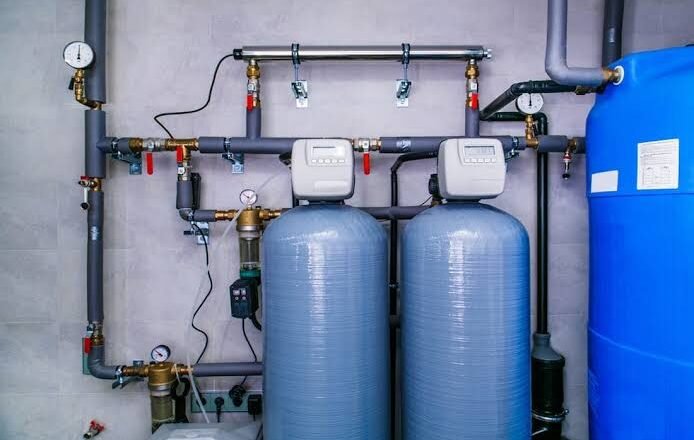
Installers should consider pipe connections, drainage, pressure, equipment clearance, and future access. Controls should be easy to reach, and filters shouldn’t be positioned somewhere that makes routine replacement unnecessarily difficult.
It’s worth asking how the system will be serviced before it’s installed. A few minutes of planning can prevent years of awkward maintenance.
Good installation tends to be invisible when you’re living with the system. Poor installation, unfortunately, has a way of making itself known.
Maintenance Keeps the Benefits Coming
Water treatment equipment isn’t maintenance-free. Filters need replacement, tanks and valves may need inspection, and certain systems require periodic cleaning or servicing.
The easiest approach is to create a simple schedule. Write down when filters are changed and keep track of service visits. If your equipment has alerts or monitoring features, don’t ignore them.
Also pay attention to changes in performance. Lower water pressure, unusual noises, changes in taste, or recurring odors can all be reasons to investigate.
You don’t need to become a technician. You just need to notice when something has changed.
Think About What Matters Most to Your Household
Water treatment decisions can become unnecessarily complicated when homeowners try to solve everything at once.
Start with your priorities.
Maybe you want to reduce scale around fixtures. Maybe drinking water is your biggest concern. Perhaps your well water needs more comprehensive treatment. Or maybe you’re mainly interested in protecting appliances and reducing maintenance headaches.
Knowing what matters most helps you choose equipment without paying for features you don’t need.
A practical system that solves your biggest concern is often better than an expensive setup designed to do a little bit of everything.
Look Beyond the Initial Price
The purchase price is only one part of the cost.
Think about replacement filters, consumables, electricity, service, repairs, and expected equipment life. A system that appears inexpensive may require frequent maintenance, while a higher-quality system might cost more initially but prove easier to own over time.
Ask questions before buying. How often do components need replacement? What does routine service involve? Are parts readily available?
These answers can tell you much more about the true value of a system than a sale sticker can.
Water Treatment Should Make Life Easier
At its best, water treatment isn’t something you think about every day. You shouldn’t have to constantly adjust equipment, wonder whether the system is working, or fight with mineral buildup around every faucet.
The right approach begins with understanding the water and ends with equipment that fits naturally into your household.
Test when necessary. Choose treatment based on actual conditions. Make sure the system is properly sized and installed, then keep up with sensible maintenance.
That’s not a particularly flashy strategy—and maybe that’s the point. Good water treatment should quietly do its job, giving you cleaner, more comfortable water while leaving you free to focus on everything else happening in your home.