We tend to trust water because it looks harmless. Turn on the kitchen tap and there it is—clear, cool, and apparently ordinary. Yet water can contain substances that aren’t visible at all. That doesn’t mean your tap water is automatically unsafe. It simply means that appearance alone can’t tell you everything about water quality.
For homeowners, this creates a frustrating question: if you can’t see or smell a particular substance, how do you know whether it’s present? The answer is testing, followed by treatment that actually matches the results.
Modern water treatment isn’t about making people afraid of their drinking water. It’s about understanding what’s there and deciding whether additional filtration makes sense for your household.
Start With Your Local Water Source
The first thing to consider is where your water comes from.
Municipal water is treated and monitored before it reaches homes, while private wells depend on local groundwater conditions and individual maintenance. Even after treatment, water can change as it travels through distribution lines and household plumbing.
An annual or periodic water test can provide useful information, particularly if your water source changes or you notice a new taste, smell or discoloration.
If you’re concerned about a specific substance, don’t rely on a generic “purity” test. Ask for testing that specifically measures the contaminant you’re worried about.
Chlorine Helps, But It Can Affect Taste
Chlorine has an important job in public water treatment: disinfection. It helps control harmful microorganisms as water travels through distribution systems.
But some people don’t enjoy the taste or smell associated with disinfected water. Depending on the treatment process and local water conditions, chloramines may also be used as a disinfectant.
The presence of chlorine / chloramines isn’t automatically a reason to panic. In fact, disinfection is an essential part of maintaining microbiological safety in public water supplies. The question for homeowners is often whether they want to reduce the residual disinfectant for taste, odor or other reasons.
Activated carbon filtration is commonly used for certain chlorine-related taste and odor concerns, although performance depends on the type of carbon, contact time and system design.
Lead Deserves Serious Attention
Lead is different from a simple taste or odor issue. It is a toxic metal, and exposure can be harmful, particularly for children and during pregnancy.
One important complication is that lead may not originate at the water treatment plant. It can enter water through certain plumbing materials, solder or service-line components as water moves toward the tap.
That’s why lead/heavy metals concerns are best approached with actual testing rather than assumptions. A home’s age, plumbing history and local infrastructure can provide clues, but testing is what tells you whether lead is present in the water you’re consuming.
If lead is detected, it’s important to follow appropriate public-health guidance and choose a treatment system specifically certified for lead reduction. Not every household filter is designed for that purpose.
PFAS and Microplastics Are Getting More Attention
Some water-quality conversations have shifted in recent years toward persistent environmental contaminants and tiny plastic particles.
PFAS, sometimes called “forever chemicals,” are a large group of manufactured substances used in various industrial and consumer applications. Their persistence in the environment has made them an increasing focus of water-quality research and regulation.
Microplastics are a separate issue involving very small plastic particles that can enter the environment from numerous sources. When homeowners hear about pfas & microplastics, it’s easy for the two issues to become mixed together, but they require different methods of detection and treatment.
If you’re concerned about either one, look for testing and filtration claims that specifically address the substance in question. A filter marketed simply as “advanced” isn’t enough evidence by itself.
Don’t Assume One Filter Removes Everything
This is probably the most important lesson for anyone shopping for a water filter.
Different treatment technologies have different jobs.
Activated carbon can reduce certain organic compounds and improve taste and odor. Reverse osmosis can reduce many dissolved substances. Sediment filters are designed to capture particles. Ion exchange can target certain dissolved ions.
No single technology should be assumed to remove every possible contaminant.
When evaluating a product, look for specific performance information. If a manufacturer says its system reduces lead or PFAS, check whether there is credible certification or testing supporting that claim.
A little skepticism is healthy here. Water treatment is one area where impressive marketing language can easily sound more comprehensive than the actual technology.
Point-of-Use or Whole-House?
Another decision is where treatment should happen.
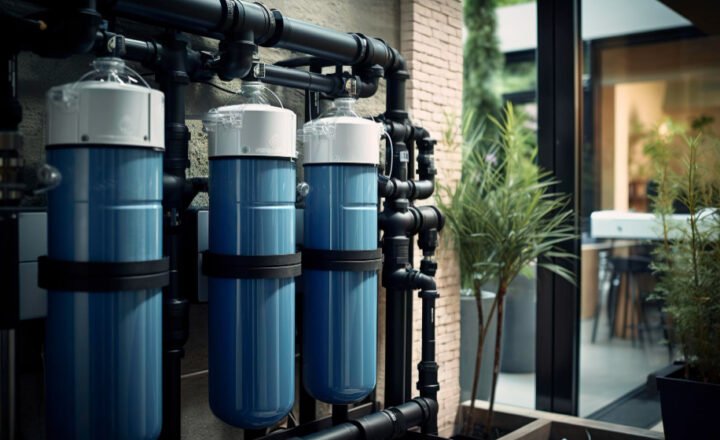
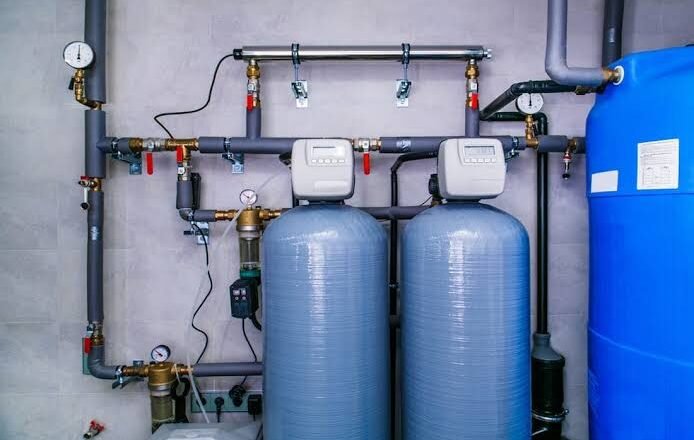
A whole-house system treats water entering the property, which can make sense when the concern affects bathing, laundry, cooking and other household uses.
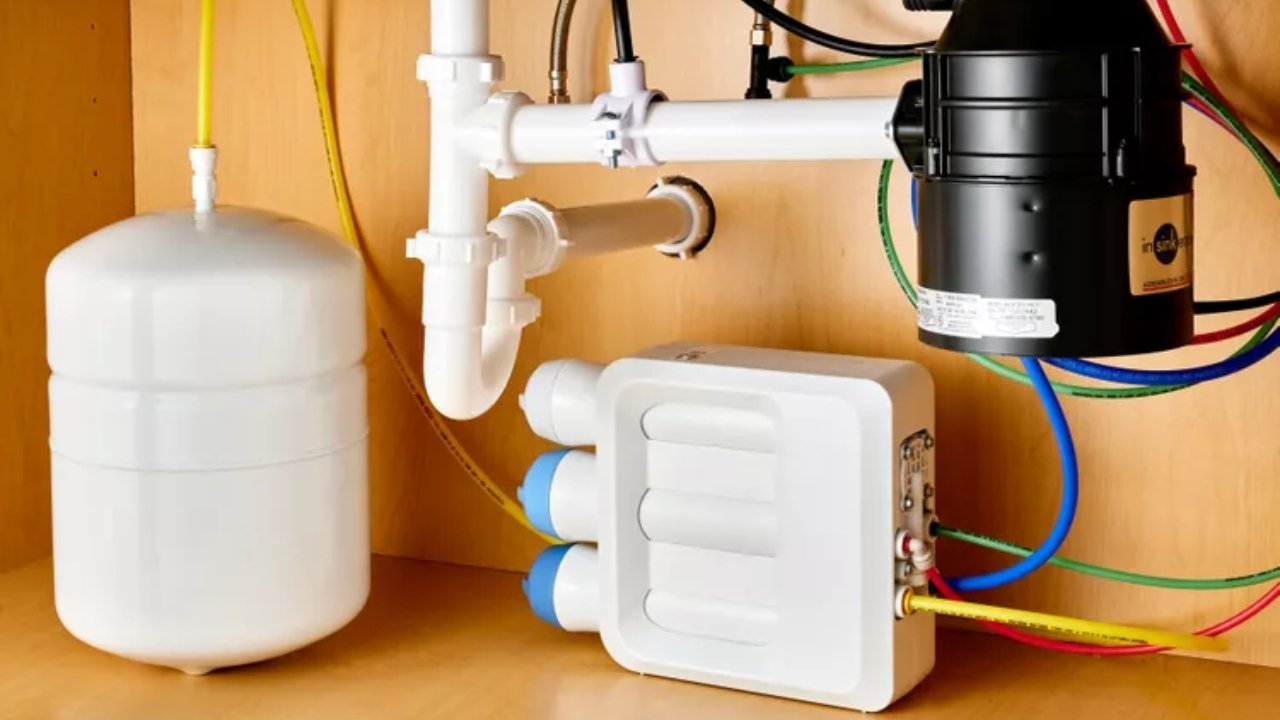
A point-of-use system, such as an under-sink drinking-water filter, focuses treatment where it matters most for consumption. For homeowners primarily concerned about drinking and cooking water, that can be a practical approach.
There’s no universal winner. The right choice depends on the water problem, household size, budget and treatment goal.
Filters Need Attention Too
Buying a filter isn’t the same as maintaining a filter.
Every treatment system has limits. Cartridges eventually fill with contaminants or lose effectiveness. Membranes need replacement. Some systems require cleaning or periodic inspection.
Following the manufacturer’s replacement schedule is important, particularly when you’re relying on a filter to reduce a specific contaminant.
It’s also worth keeping records. Write down when cartridges were installed and when they should be replaced. It sounds almost too simple, but this little habit can prevent the “How long has that filter been in there?” problem six months later.
Bottled Water Isn’t Automatically the Perfect Answer
When people become concerned about tap water, bottled water can seem like the easiest solution. But bottled water isn’t necessarily a universal answer to every water-quality concern.
Different bottled waters have different mineral profiles and treatment processes. Bottles also create storage and waste issues, especially for households that drink several liters a day.
A properly selected home filtration system can offer a convenient alternative while giving homeowners more control over their drinking water.
The important phrase is “properly selected.” Treatment should be based on what you actually want to reduce.
Be Careful With Health Claims
Water-treatment marketing sometimes crosses into exaggerated territory.
Claims that a particular type of water can “detox” the body, cure illnesses or dramatically improve health should be treated carefully. The human body already has sophisticated systems for regulating blood chemistry and removing waste.
It’s perfectly reasonable to want water that tastes better or contains fewer unwanted substances. But a filter should be judged by what it can demonstrably do, not by promises that sound too good to be true.
A Sensible Approach Starts With Evidence
You don’t need to become a water-quality expert to make a good decision.
Start with the source. Test the water when appropriate. Identify the specific concern. Then look for treatment technology designed for that concern and verify the manufacturer’s performance claims.
If you’re worried about lead, test for lead. If you’re concerned about PFAS, use appropriate PFAS testing. If chlorine taste is the problem, explore filtration options designed for chlorine reduction.
It’s a much calmer approach than trying to eliminate every substance you’ve ever heard about.
In the end, good drinking water isn’t about chasing perfection. It’s about understanding your water, making informed choices and maintaining the system you install.
The clearest glass of water isn’t necessarily the best-treated glass of water. What matters is knowing what’s in it, knowing what you want to change, and choosing a solution that genuinely fits the job. That’s a far more useful—and sensible—way to think about water quality.