Water quality affects more than what comes out of the kitchen tap. It influences how appliances perform, how much cleaning a home requires, and how often plumbing fixtures need attention. For households dealing with hard water, the effects can be subtle at first: cloudy glasses, stubborn bathroom residue, or a water heater that seems to need maintenance more often than expected.
Modern water softeners offer a practical way to manage hardness minerals before they travel throughout the home. And unlike older systems that may require frequent manual adjustments, newer models often include features designed to make operation more convenient. The technology isn’t about making household life complicated. Ideally, it does the opposite.
Why Hard Water Can Affect Household Equipment
Hard water contains minerals, mainly calcium and magnesium, that can leave deposits on surfaces and inside water-using equipment. When water is heated, these minerals can form scale more readily, particularly in water heaters, dishwashers, and other appliances exposed to hot water.
Over time, mineral deposits may interfere with heating efficiency, restrict water flow, or increase the need for cleaning and servicing. A coffee maker with mineral residue, for example, may not perform as well as it once did. Similarly, a water heater affected by deposits may require more attention to maintain normal operation.
This is one reason homeowners explore softening systems—not simply for better-looking fixtures, but to protect appliances that depend on a consistent water supply.
What Makes a Water Softener “Modern”?
The basic purpose of a water softener remains the same: reducing hardness minerals through a treatment process, most commonly ion exchange. What has changed is the way many systems monitor usage, manage regeneration, and communicate operating information.
Older units may regenerate on a fixed schedule, regardless of how much water the household actually uses. Newer demand-initiated systems can measure water consumption and regenerate when the resin capacity requires it.
That difference matters. A household’s water usage isn’t identical every day. Guests may visit, laundry loads may increase, or the family may be away for a week. A system that responds to actual demand can be more practical than one following a rigid calendar.
The Role of Smart Monitoring Technology
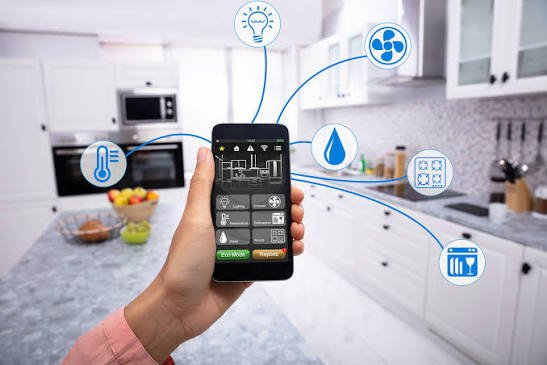
One of the more useful developments in residential water treatment is smart monitoring technology. Depending on the model, this may include digital displays, water-use tracking, salt-level alerts, leak detection, or notifications through a connected application.
These features can help homeowners understand what the system is doing without having to inspect it constantly. For example, an alert about low salt levels may prevent a household from discovering the issue only after hard water symptoms return.
Some systems may also provide information about regeneration cycles or maintenance needs. That doesn’t mean every smart feature is essential, though. A simple, reliable unit can be perfectly suitable for a household that prefers fewer connected devices.
The key is to choose technology that solves a real problem rather than paying extra for features that will rarely be used.
Improving Efficiency Without Overcomplicating Things
Water softeners use water and, in salt-based systems, salt during regeneration. Their overall efficiency depends on system design, programming, water hardness, and household consumption.
Modern units may be designed for high-efficiency operation, using demand-based regeneration and optimized settings to reduce unnecessary resource use. Some models also offer variable reserve calculations, which can adjust regeneration timing based on changing water demand.
Still, efficiency claims should be considered carefully. Actual performance depends on installation, maintenance, and whether the system is correctly sized. A poorly configured efficient system may perform less effectively than a properly maintained conventional one.
Homeowners should ask manufacturers or installers for clear information about salt usage, water consumption per regeneration, capacity, and operating requirements. Specific figures are more useful than broad marketing language.
Choosing the Right Capacity for Your Home
A water softener should match the household’s water demand and the hardness level of the incoming supply. A small home with light water usage will have different needs from a large family with several bathrooms and frequent laundry cycles.
Sizing usually involves considering the number of people in the household, estimated daily water consumption, and the amount of hardness the system needs to remove. Peak demand matters, too. A system that works well under average conditions may struggle if several showers, appliances, or fixtures are being used at once.
A water test is an important first step. It can establish hardness levels and identify other concerns, such as iron or sediment, that may influence the need for pretreatment. Without that information, selecting a system becomes more of a guess than a calculated decision.
Installation Details Worth Considering
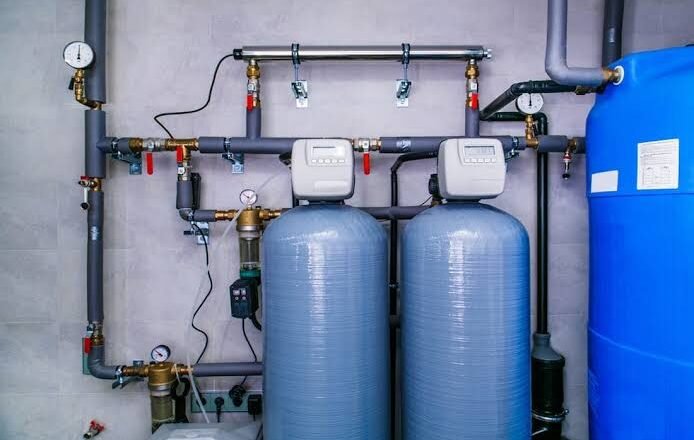
Even a well-designed softener needs a suitable installation location. Homeowners should consider access to the main water line, drainage for regeneration, electrical requirements, and enough room for servicing or replenishing salt.
The system should also be installed in a location protected from extreme temperatures and excessive moisture, depending on the manufacturer’s recommendations. Poor placement can make maintenance inconvenient and may affect long-term reliability.
Professional installation can be particularly helpful when plumbing modifications, bypass valves, or additional filtration equipment are involved. A qualified installer can also check that the system is configured correctly for the home’s water conditions.
Maintenance Still Matters
Smart features don’t eliminate the need for routine care. Salt-based softeners still require salt replenishment, and the brine tank may need occasional inspection or cleaning. Pre-filters, if installed, must also be replaced according to their service requirements.
Homeowners should watch for changes in water quality, unusual regeneration behavior, salt consumption, or error notifications. If the water begins showing signs of hardness again, the cause may be an empty salt tank, a mechanical issue, incorrect settings, or a problem with the incoming water.
Following the manufacturer’s maintenance schedule helps keep the system working consistently. A little attention is much easier than waiting until equipment performance starts to suffer.
Is Smart Technology Necessary?
Not every household needs a connected water softener. For some people, a dependable system with a simple control panel is all that’s required. Others may appreciate remote alerts, usage information, and maintenance reminders, especially if they travel frequently or manage a larger property.
The best choice depends on lifestyle, budget, technical comfort, and actual water-quality needs. Smart features can improve convenience, but they shouldn’t distract from the fundamentals: proper sizing, effective treatment, reliable installation, and manageable maintenance.
A sophisticated interface cannot compensate for a system that isn’t suited to the water supply.
A Practical Step Toward Better Water Management
Modern water softeners can help households manage hard water more conveniently while supporting appliance care and more controlled resource use. Features such as demand-based regeneration and monitoring tools may make everyday ownership easier, but their value comes down to how well they fit the home.
The smartest approach is to begin with a water test, understand the household’s needs, and compare systems based on measurable performance rather than flashy features alone. With the right setup and regular maintenance, water treatment becomes less of a daily chore and more of a quiet, dependable part of the home.