Most people don’t think much about their water until something feels off. Perhaps the kitchen tap starts leaving a metallic taste, the showerhead becomes covered in chalky deposits, or laundry comes out looking less fresh than it should. These little frustrations can build up over time, especially when you’re not sure whether the cause is hard water, an old plumbing fixture, or something that needs more attention.
Finding the right water treatment support can make the situation easier to understand. The key is to begin with the water you actually have, identify what needs improvement, and work with a provider who explains the options without making the process feel overwhelming.
Water Problems Often Show Up in Everyday Places
A home’s water quality can affect more than what’s in a drinking glass. Hard water, for example, contains elevated levels of minerals such as calcium and magnesium. It can leave deposits on faucets, make soap harder to rinse away, and contribute to scale buildup in appliances that heat water.
Other issues may be less obvious. Iron can cause reddish or brown stains on sinks and laundry. Certain naturally occurring compounds may create unpleasant odors, while sediment can make water look cloudy. Changes in taste or appearance can also come from plumbing materials or conditions within the home.
It’s tempting to guess at the cause and buy a filter that promises to fix it. But two water problems that look similar can require very different solutions. A little investigation first can save money and prevent disappointment later.
Start With the Source of Your Water
The right approach depends partly on where your household water comes from. Homes connected to a municipal supply generally receive water that is treated and monitored by the local utility. Even so, water can pick up substances from household plumbing, and some people may have concerns about taste, odor, or specific contaminants.
Private wells require a different level of attention. Well owners are typically responsible for arranging appropriate testing and keeping track of changes in water quality. Heavy rainfall, nearby land use, flooding, and changes in the surrounding environment can sometimes affect a well, so testing should be part of regular household care rather than something done only when the water looks unusual.
Location matters, too. A provider’s service area may include communities with different water sources, mineral levels, and local conditions. A company familiar with your region can offer useful context, but recommendations should still be based on your property’s water results rather than a broad assumption about every home nearby.
Testing Gives You a More Useful Starting Point
A water test can help separate visible nuisance problems from concerns that need closer investigation. Depending on the source and your circumstances, testing may look at hardness, pH, iron, nitrate, bacteria, or other substances. Not every household needs the same set of tests, and the right choice depends on what you want to understand.
If you notice a sudden change in taste, smell, or color, don’t rely on a home test strip alone to determine whether the water is safe. Some important contaminants cannot be detected through the senses. A certified laboratory or local health department can help identify appropriate testing methods, particularly when a possible health concern is involved.
Many water treatment providers offer an initial screening or consultation. Before booking, ask what the test includes, whether samples are analyzed in a laboratory, and whether there is a charge for additional analysis. If you decide to request a free water test, confirm what the offer covers and whether you’ll receive a clear explanation of the findings.
Good testing shouldn’t be a sales pitch disguised as science. The purpose is to understand the water and use that information to make a sensible decision.
Choosing Equipment Without Getting Lost in the Details
Once the problem is clearer, choosing a treatment system becomes more manageable. Water softeners are designed primarily to reduce hardness minerals. Carbon filtration can improve certain tastes and odors and reduce specific contaminants when the system is designed and certified for those purposes. Reverse osmosis can reduce a range of dissolved substances in drinking water, depending on the unit and its performance claims.
Whole-house systems treat water entering the property, while point-of-use systems treat water at a particular tap or appliance. The right arrangement depends on whether the concern affects the entire home or only drinking and cooking water.
Before making a purchase, ask the provider to explain what the proposed equipment is designed to remove. Look for independent certification and check the exact model’s performance claims. A filter that reduces chlorine, for instance, should not automatically be assumed to remove lead, nitrate, or every other contaminant.
It’s also sensible to discuss water pressure, household size, daily usage, and installation space. A system that works well for a small household may not be the right fit for a large family with higher water demand.
Don’t Overlook the Cost of Maintenance
A water treatment system needs care to keep working as intended. Filters have limited service lives, softeners may require salt, and some equipment needs cleaning or periodic inspection. If maintenance is neglected, performance can decline even when the unit was a good choice initially.
Ask about replacement parts, expected servicing intervals, warranty terms, and the cost of routine upkeep. A provider should be willing to explain these details before installation, not after you’ve already committed.
Keep the answers in writing if possible. A simple record of the model number, installation date, filter changes, and test results can make future maintenance much easier. It also helps a technician identify whether a problem is related to the water itself or the equipment.
Local Service Should Come With Clear Communication
Reliable support is about more than getting someone to install a machine. You should feel comfortable asking questions, understanding the estimate, and knowing whom to contact if something goes wrong.
A good provider explains the available options in plain language and avoids promising that one system will solve every water concern. They should also tell you when more testing is needed or when an issue may require a plumber, laboratory, or other specialist.
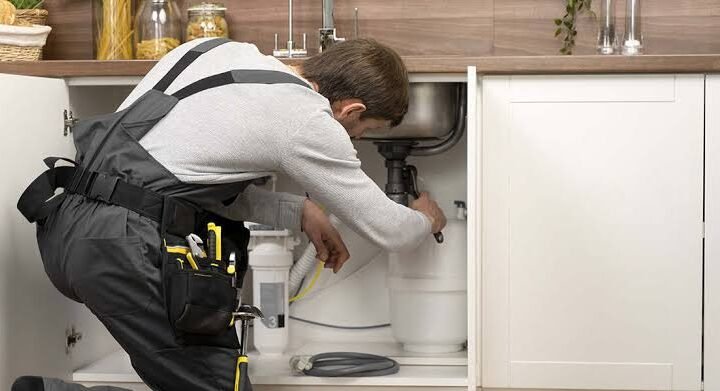
If your system is overdue for maintenance, leaking, or no longer delivering the results you expected, schedule service with a qualified professional who can assess the equipment and its performance. Describe the symptoms you’ve noticed and share any recent test results. Those details can help the technician prepare for the visit and avoid unnecessary guesswork.
Better Water Is a Process, Not a One-Time Purchase
Improving water quality doesn’t have to mean replacing every pipe or investing in the most expensive equipment available. Often, progress begins with a few straightforward steps: observe what’s happening, test when appropriate, compare suitable options, and understand what ongoing care will involve.
The best solution is one that addresses a real need and fits your household over the long term. When you have reliable information and a provider who is willing to explain the details, decisions become less stressful. You can spend less time wondering what’s wrong with your water and more time enjoying the comfort of a home where the everyday essentials simply work as they should.