Water quality affects much more than what comes out of a drinking glass. It touches laundry, bathing, cooking, cleaning, plumbing, appliances, gardens, and almost every routine that keeps a household moving. When water contains excess minerals, sediment, unpleasant odors, or other impurities, the effects can slowly become noticeable. Clothes may feel rough after washing, fixtures can develop stains, and appliances may collect scale. Sometimes the problem is obvious. Other times, it hides inside pipes and equipment for years.
A dependable water treatment setup helps address these concerns before they become expensive or frustrating. The right solution depends on the water source, the property’s size, and the specific contaminants involved. Instead of choosing equipment simply because it is popular, homeowners should focus on how a system fits their actual water conditions and daily needs.
Why Whole-Home Water Treatment Matters
Point-of-use filters are useful for improving water at a single tap, but they do not protect the rest of the plumbing system. Water still travels through showers, washing machines, dishwashers, water heaters, and bathroom fixtures before it reaches the final point of use.
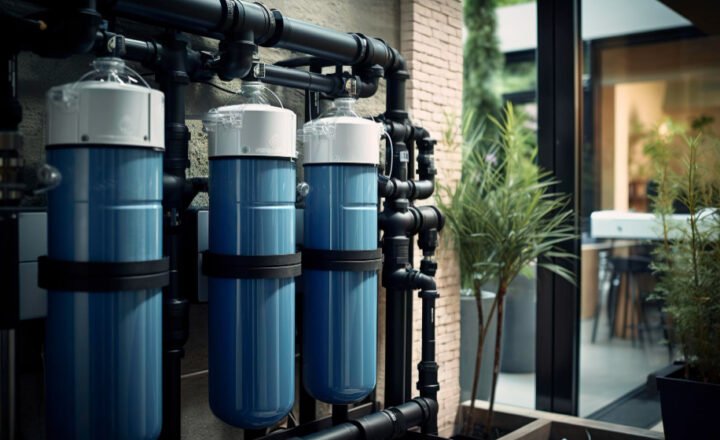
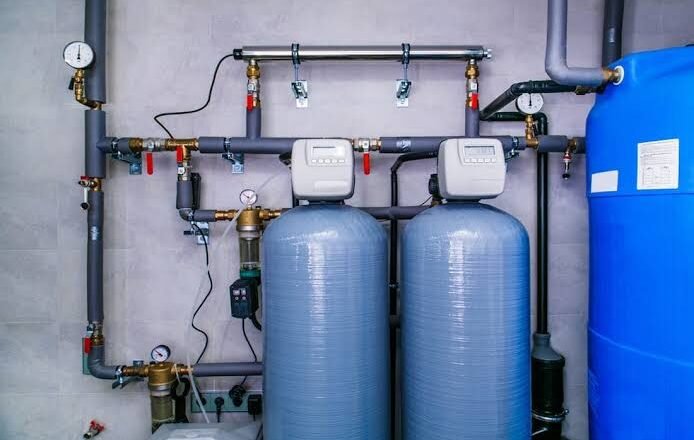
This is where whole house systems can make a broader difference. Installed near the main water entry point, these systems treat water before it moves throughout the property. Depending on the design, a whole-home setup may reduce sediment, chlorine, unpleasant odors, hardness, or other specific concerns.
The benefits are not limited to drinking water. Treated water may help reduce buildup in pipes, protect appliances, improve shower experiences, and make cleaning tasks easier. However, not every whole-home system performs the same function. Some focus on filtration, others on softening, and some combine several treatment stages.
Before selecting a system, it is important to understand what the equipment is designed to remove. A unit intended for sediment reduction should not be expected to solve a dissolved mineral problem, and a softener should not be treated as a universal purifier.
Start with a Water Quality Test
The most sensible water treatment decisions begin with testing. Water from a municipal supply may contain disinfectants or develop taste and odor issues, while private well water may contain iron, manganese, hardness, sulfur odors, or microbial concerns. Even nearby properties can have different water conditions.
A basic water analysis can identify common issues and help determine which treatment methods are appropriate. Depending on the situation, testing may include pH, hardness, iron, chlorine, total dissolved solids, nitrates, or bacteria. More detailed laboratory testing may be necessary if there is a suspected contamination issue.
Testing also prevents homeowners from overspending. Installing multiple filters without knowing what the water contains can create unnecessary maintenance and reduce water pressure. A targeted system is usually easier to manage and more effective than a collection of unrelated products.
If the water’s taste, smell, color, or clarity changes suddenly, do not assume the treatment equipment simply needs a replacement filter. The change may indicate a new issue with the water source or plumbing, and further testing could be the safer approach.
Understanding Water Treatment Chemicals
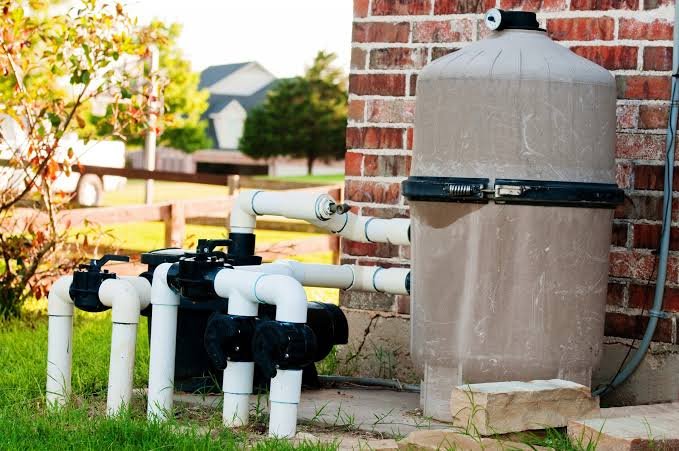
Not all water treatment relies on physical filtration. Some water conditions require chemical adjustment or disinfection, particularly in pools, spas, industrial systems, cooling equipment, and certain private water supplies.
Products grouped under water treatment chemicals may include disinfectants, pH adjusters, algaecides, coagulants, corrosion inhibitors, and scale-control agents. Each product has a specific purpose, and using the wrong chemical—or the wrong amount—can create more problems than it solves.
For example, chlorine is widely used for disinfection, but excessive levels may cause irritation, unpleasant taste, or damage to certain materials. pH adjustment is also important because water that is too acidic or too alkaline can affect equipment performance and chemical effectiveness.
Chemical treatment should always follow the product label and the recommendations of qualified professionals when necessary. Chemicals must be stored in a dry, secure, well-ventilated area, away from incompatible substances. Mixing treatment chemicals casually is especially dangerous and should be avoided.
Automation can make chemical management more consistent. Dosing pumps and chemical feed systems can introduce measured amounts into a water stream, reducing the guesswork involved in manual treatment. Even then, regular testing and calibration remain essential.
Selecting the Right Filtration Method
Filtration is often the foundation of a water treatment system, but the filter type should match the impurity. Sediment filters are designed to capture particles such as sand, dirt, rust, and silt. Carbon filters may help reduce chlorine, odors, and certain organic compounds. Specialized media can be used for specific problems, such as iron or sulfur.
Filter capacity matters as well. A small cartridge may work well for a drinking-water faucet but become overwhelmed when asked to handle the water demand of an entire home. Whole-home equipment must be sized according to flow rate, pressure requirements, and the number of people using the water.
It is also worth considering the frequency and cost of replacement. A filter that performs well but needs constant servicing may not be practical for a busy household. Look for systems with clear maintenance instructions and replacement components that are easy to source.
The Value of Reliable Replacement Components
Even a well-designed treatment system depends on small components working properly. O-rings, valves, housings, connectors, seals, filter cartridges, pressure gauges, and tubing may not seem impressive, but a failure in one of these parts can interrupt the entire setup.
When buying water treatment parts, compatibility should be a priority. Check model numbers, connection sizes, pressure ratings, materials, and manufacturer specifications before ordering. A part that looks similar may not fit correctly or withstand the operating conditions of the system.
It is helpful to keep a few basic replacement items on hand, especially if the property depends on a private treatment system. Having spare seals, cartridges, or connectors available can prevent a minor issue from becoming a major inconvenience.
However, replacement parts should not be used to repair equipment beyond its safe service life. If a housing is cracked, a valve repeatedly fails, or a pump shows signs of serious wear, replacing the entire component may be safer than repeatedly applying temporary fixes.
Balancing Performance, Cost, and Maintenance
A water treatment system is a long-term investment, so the purchase price is only one part of the calculation. Homeowners should also consider installation, electricity, replacement filters, chemicals, water waste, servicing, and possible repairs.
A system that appears affordable at first may become expensive if its consumables are difficult to find or its maintenance schedule is demanding. On the other hand, a slightly more expensive system may offer better efficiency, longer-lasting components, and easier servicing.
Ask practical questions before making a decision. How much water can the system treat per minute? Does it reduce pressure? What happens during a power outage? How often do filters need changing? Is professional installation required? Are replacement parts readily available?
These details may not sound exciting, but they are what determine whether a system remains useful after the initial installation.
Building a Smarter Water Treatment Routine
Good water quality is not achieved by equipment alone. It requires regular observation, testing, cleaning, and timely replacement. Keep a record of maintenance dates and water test results. Pay attention to changes in water pressure, taste, odor, and flow. Small changes can provide early warnings before a component fails.
It is also wise to review the system occasionally. Household water demand can change after renovations, new appliances, landscaping projects, or an increase in the number of residents. A system that once suited the property may eventually need adjustment or expansion.
Ultimately, the right water treatment solution should make daily life easier without becoming a burden of its own. By testing the water, selecting suitable treatment methods, using chemicals responsibly, and choosing compatible replacement components, homeowners can build a system that supports cleaner water and more reliable plumbing.
Water treatment is not about buying the most complicated equipment available. It is about understanding the water, choosing practical solutions, and giving the system the care it needs to perform well for years.