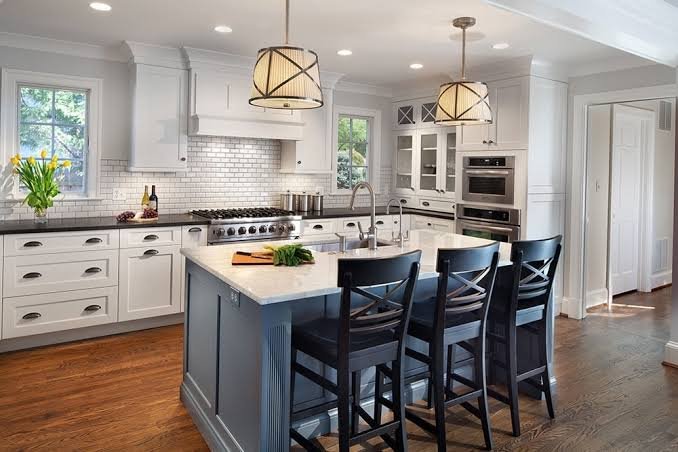
A beautiful home can make a strong first impression, but the homes people truly enjoy living in tend to have something else going for them. They work. Doors open where you expect them to. Lighting feels right at night. Outlets are actually where you need them. Storage appears just when the clutter starts getting annoying. None of these details may make it into the first photograph of a finished project, yet they often determine how comfortable the home feels six months or even six years later.
Good interior design, in other words, isn’t only about what catches the eye. It’s also about what quietly supports everyday life.
That’s why thoughtful planning matters so much, especially when a project involves significant construction or renovation. Before choosing paint colors, fabrics, or decorative pieces, there are practical decisions that need attention. The electrical system, room layouts, circulation patterns, materials, lighting, and architectural details all need to work together. When they do, the finished home feels almost effortless.
Design Begins Before the Pretty Part
There’s a temptation to think of design as the fun stage that comes after construction plans are complete. Pick the sofa. Choose the tile. Decide between brass and bronze. Move on.
In reality, some of the most important design decisions happen long before those choices are made.
Electrical planning is a good example. A room may look perfectly balanced on paper, but everyday life can expose problems quickly. A reading chair without a nearby outlet becomes inconvenient. A kitchen island without enough power access creates unnecessary frustration. A media room with poorly positioned connections can turn an otherwise polished space into a tangle of cables.
Careful bathrooms help prevent those problems by considering how each room will actually be used. Lighting locations, switches, outlets, appliances, technology, and future needs can all be coordinated before walls are closed. It’s not glamorous work, admittedly, but it’s the kind of planning homeowners appreciate every day.
The Beauty of Custom Thinking
No two households operate in exactly the same way. One family may spend nearly every evening around the kitchen island. Another might treat the living room as a quiet place for reading. Someone working from home may need excellent task lighting and discreet technology, while another homeowner might care more about entertaining large groups on weekends.
That’s where personalization becomes more than a design buzzword.
Custom interior projects give homeowners an opportunity to shape their surroundings around real habits instead of forcing those habits into a predetermined template. A built-in cabinet can be sized around a particular collection. A breakfast area can be designed for quick weekday meals. A bedroom can include softer lighting and concealed charging points because the owner likes to read before sleeping.
These choices may seem small individually. Together, they create a home that feels distinctly personal.
And there’s something satisfying about walking into a room and realizing that it seems to understand you.
Renovation Is About More Than Updating a Room
Renovating one room at a time can certainly make sense. A tired bathroom gets refreshed. A dated kitchen receives new cabinetry. Perhaps the flooring throughout the main level is replaced.
But some homes need a broader conversation.
Older properties often contain layers of decisions made at different times. An electrical system may have been upgraded in one area but not another. Walls may have been added without considering modern circulation. A kitchen renovation might solve one problem while leaving three others untouched.
This is where whole-home renovations can provide an opportunity to rethink the house as a connected environment rather than a collection of separate rooms.
That doesn’t necessarily mean stripping everything back to the studs. Sometimes the best renovation is selective. A wall comes down to improve movement between rooms. A poorly placed staircase is reconsidered. Windows are emphasized. Storage is added in overlooked corners. Mechanical systems are updated while the character of the original architecture is preserved.
The goal isn’t simply to make the home look newer. It’s to make it work better.
Think About How You Move Through the House
One of the easiest ways to identify design problems is to pay attention to movement.
Where do you drop your keys when you walk through the door? Where do groceries land? Is there enough room for two people to move around the kitchen without bumping into each other? Does a hallway feel unnecessarily long? Can guests reach a powder room without walking through a private part of the house?
These questions aren’t particularly glamorous, but they’re incredibly useful.
Good space planning creates natural transitions between rooms. It considers sightlines, furniture placement, door swings, walking paths, and the relationship between public and private areas. Sometimes moving a doorway by a few feet can completely change the experience of a room.
And unlike a decorative trend, good circulation tends to age well.
Lighting Deserves Serious Attention
Lighting is another detail that can transform a space without announcing itself.
A single ceiling fixture rarely provides everything a room needs. Homes benefit from layers: ambient lighting for general illumination, task lighting for practical activities, and accent lighting to bring attention to architectural or decorative features.
Consider a kitchen. Bright, focused light may be necessary over counters, while softer illumination can make the room feel more relaxed during dinner. In a bedroom, bedside lighting can create a calmer atmosphere than relying entirely on overhead fixtures.
Natural light matters, too. Window placement, shades, reflective surfaces, and interior finishes can all influence how daylight behaves throughout the day.
A room should ideally feel good at 8 a.m., 3 p.m., and 10 p.m. That’s a much better test than whether it looks impressive in a showroom.
Materials Should Work as Hard as They Look
Choosing materials is often a balancing act between appearance, durability, maintenance, and budget.
A delicate surface might look beautiful in a low-use room but become frustrating in a busy kitchen. Highly textured flooring may add character but require more cleaning. Natural stone can develop a lovely patina over time, while some homeowners may prefer a surface that stays visually consistent.
There isn’t one universally correct material. The right choice depends on the people using the space.
This is another reason experienced design planning matters. Materials should be considered in context, not selected individually from a sample board. Flooring, cabinetry, countertops, hardware, upholstery, and wall finishes all interact. When those choices are coordinated thoughtfully, even a relatively simple palette can feel rich.
Leave Room for Real Life
Perhaps the most important design principle is also the simplest: leave room for life to happen.
Homes aren’t museums. People spill coffee. Kids leave backpacks in hallways. Friends pull chairs into unexpected places. Dogs sleep where they shouldn’t. Someone eventually decides that the beautiful empty corner would make a great place for a plant.
Design should accommodate those realities.
The best homes have enough structure to feel intentional, but enough flexibility to evolve. Furniture can move. Rooms can serve multiple purposes. Storage can absorb everyday clutter. Finishes can withstand normal wear without making homeowners nervous about touching anything.
There’s a certain warmth in that kind of practicality.
A Home Should Feel Like It Belongs to You
Ultimately, thoughtful residential design isn’t about following every new trend or creating rooms that look identical to photographs in a magazine. Trends come and go. What lasts is a home that reflects the people living inside it.
That requires attention to details both visible and invisible. It means planning before building, listening before designing, and considering how choices will perform in ordinary moments, not just on opening day.
The strongest homes rarely shout about how carefully they were designed. Instead, they make daily routines easier. They feel comfortable when the house is quiet and welcoming when it’s full of people. They support work, rest, entertaining, and all those wonderfully unplanned moments in between.
And perhaps that’s the real measure of good design: when everything has been considered so thoughtfully that living there simply feels natural.