Water problems rarely arrive with a dramatic announcement. More often, they creep into daily life. A faucet develops a crusty white edge. Soap doesn’t seem to rinse properly. The water from the kitchen tap tastes a little different. Or perhaps the family well has always been reliable, but lately there’s a faint smell nobody can quite explain.
These situations can be frustrating because water quality isn’t something you can always judge by looking at a glass. Some problems are obvious, while others require testing to uncover. And once you know what’s happening, the next question is figuring out what to do without spending money on treatment you don’t actually need.
A sensible water strategy starts with understanding the source, the problem, and the treatment options. Sometimes the solution is surprisingly simple.
Hard Water Is Usually More Annoying Than Alarming
Hard water is one of the most common household water concerns. It occurs when water contains elevated levels of minerals, particularly calcium and magnesium.
You may notice white deposits around faucets, spots on dishes, stiff-feeling laundry, or scale inside appliances. Hot-water equipment can be especially vulnerable because heating encourages minerals to form deposits on surfaces.
Traditional water softeners can reduce hardness through ion exchange, but not every homeowner wants to add salt to their water-treatment routine. That’s where sodium-free scale prevention approaches can become interesting.
These systems generally focus on reducing the tendency of minerals to form hard scale rather than removing the minerals from the water. Depending on the technology, the treatment may alter how minerals crystallize or behave on surfaces.
The distinction is important. Scale prevention isn’t the same thing as softening. If your goal is genuinely to reduce water hardness, a conventional softener may still be more appropriate. If your main concern is protecting equipment from scale without using salt, a scale-control approach may deserve consideration.
Start With a Water Test
Before buying any treatment equipment, find out what you’re dealing with.
A basic water test can provide information about hardness, pH, iron, manganese, total dissolved solids, and other characteristics. If there are specific concerns, more detailed laboratory testing may be appropriate.
This matters even more when your water comes from a private well. Unlike municipal systems, private wells aren’t managed as part of a centralized public water supply. The homeowner generally has greater responsibility for monitoring water quality and maintaining the well system.
That doesn’t mean well water is automatically problematic. Plenty of households enjoy excellent well water. But conditions can change due to groundwater movement, flooding, nearby land activity, construction, changes in the well itself, or other environmental factors.
Well Water Has Its Own Personality
Every well is a little different.
One household may deal with iron staining. Another may have sulfur odors. Someone else may notice sediment, hardness, or an unusual taste. In some cases, several issues occur at once.
Effective well water treatment therefore begins with testing rather than assumptions. A treatment professional can use the results to determine whether filtration, softening, oxidation, disinfection, or another approach is appropriate.
Iron is a good example. A simple cartridge filter might capture certain particles, but dissolved iron may require a different treatment method. Likewise, sulfur odors can have different causes and may require a system designed specifically for the underlying issue.
The point is simple: two wells can look almost identical from the outside while needing completely different treatment inside the house.
Don’t Let Clear Water Fool You
Some of the most important water-quality concerns are invisible.
Water can look clean, smell normal, and still contain dissolved substances that aren’t desirable at elevated concentrations. This is why relying only on appearance or taste isn’t enough when there is a specific concern.
PFAS are one example that has received growing attention. The term refers to a broad family of human-made chemicals used in numerous applications. Their persistence in the environment is one reason they have become an important subject of scientific and regulatory research.
If pfas contamination is a concern, testing should come before choosing treatment. Different treatment technologies have different capabilities, and performance depends on factors such as the specific PFAS compounds involved, concentrations, water chemistry, and system design.
Homeowners should also be wary of broad claims that a single filter “removes everything.” Water treatment is more complicated than that.
Treatment Should Match the Job
It’s tempting to think of filtration as one big category. In reality, different systems do very different things.
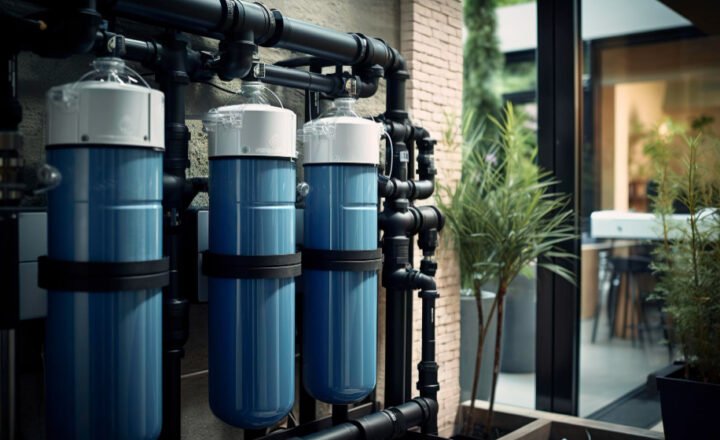
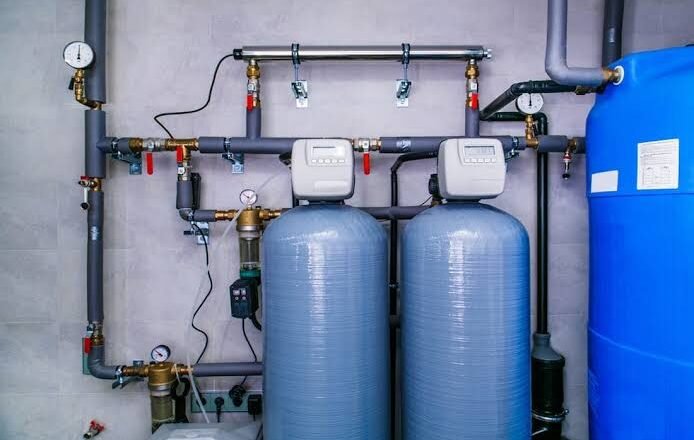
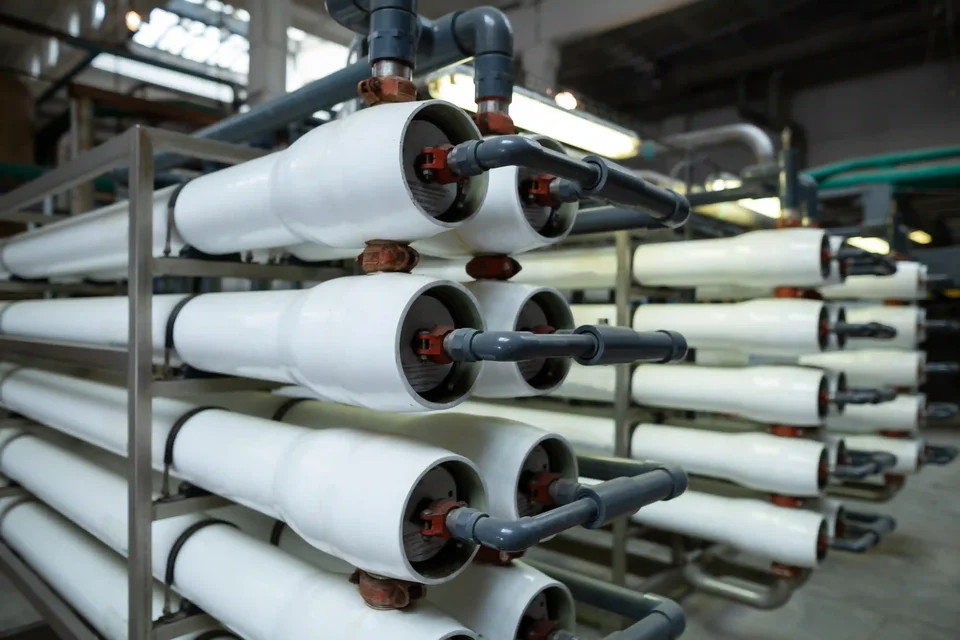
Sediment filters are designed to capture particles. Carbon filters can improve taste and odor and reduce certain chemicals. Water softeners address hardness. Reverse osmosis systems can reduce many dissolved substances. Disinfection technologies target microorganisms.
There can be overlap, but the technologies shouldn’t be treated as interchangeable.
If testing shows high iron, buying a generic carbon filter because it has good reviews may not solve the problem. If the issue is simply chlorine taste, a complex multi-stage purification system could be unnecessary.
The best system is often the one that does exactly what you need, and not much more.
Think About Where Treatment Is Needed
Another useful question is whether you need to treat every gallon of water.
Whole-home treatment can make sense when the problem affects bathing, laundry, fixtures, appliances, and drinking water. It provides treatment as water enters the property.
Point-of-use treatment, meanwhile, focuses on a particular faucet or application. A kitchen drinking-water system may be enough when the primary goal is improving water used for drinking and cooking.
This distinction can affect installation cost, maintenance, and operating expenses. Treating every gallon can be unnecessary if only a small portion of household water needs additional purification.
Maintenance Is Part of the Deal
Even the right system won’t perform indefinitely without care.
Filters eventually need replacement. Tanks and housings may require inspection. Some equipment needs media replacement or periodic regeneration. Well systems themselves should also be monitored and maintained.
For private wells, keeping testing records is particularly useful. A baseline gives you something to compare against if the water changes later.
It can be tempting to postpone maintenance when everything seems fine. That’s understandable. Nobody wakes up excited to replace a filter. But water treatment is one of those household jobs where a little routine attention can prevent much bigger headaches.
Consider the Cost Beyond Installation
When comparing treatment systems, look beyond the initial price tag.
Ask how often filters need replacement, how much salt or other consumables are required, whether electricity is needed, and how much wastewater the system may produce. Find out whether replacement parts are readily available and whether professional service is necessary.
A system that’s inexpensive to install but costly to maintain may not be a bargain after several years.
Likewise, paying more for technology that doesn’t address your actual problem isn’t a smart investment either. Water treatment should be practical, not a race to buy the most sophisticated equipment.
A Calm Approach Usually Works Best
Water quality can sound intimidating because there are so many possible problems and so many products claiming to solve them.
The answer isn’t to panic. It’s to slow down and gather information.
Test your water. Understand whether you’re dealing with hardness, scale, well-related concerns, microorganisms, sediment, or a particular contaminant. Then choose treatment based on those findings.
For homeowners with wells, regular monitoring is especially important because groundwater conditions can change. For households dealing with hard water, there are several treatment paths, from conventional softening to salt-free scale-control options. And when emerging contaminants are a concern, laboratory testing and carefully verified treatment performance matter more than marketing language.
Good water management isn’t about making your home complicated. It’s about making informed choices. Once you know what is actually in your water, the right solution tends to become much clearer—and that little bit of clarity can make everyday life a whole lot easier.