The kitchen is one of the busiest rooms in a home, yet most of us don’t really think about the plumbing behind it. We turn on the tap, fill a glass, rinse vegetables, wash dishes and carry on with the day. It all feels automatic.
Until it doesn’t.
Maybe the water has an odd taste. Perhaps the sink takes too long to drain, or you’re standing there waiting for hot water while perfectly good water disappears down the drain. These little frustrations can become surprisingly noticeable when they happen every day.
Fortunately, modern plumbing and water-treatment equipment can make a kitchen more convenient and, in some cases, more efficient. The important thing is choosing equipment that fits your home’s actual needs rather than chasing every new gadget on the market.
Start by Understanding Your Water
Clear water isn’t necessarily perfect water. Depending on the local supply and the home’s plumbing, tap water can contain dissolved minerals, chlorine, sediment, or other substances that affect taste, odor, or quality.
Before buying a treatment system, it makes sense to test the water. Otherwise, you may end up solving a problem you don’t actually have while overlooking the one you do.
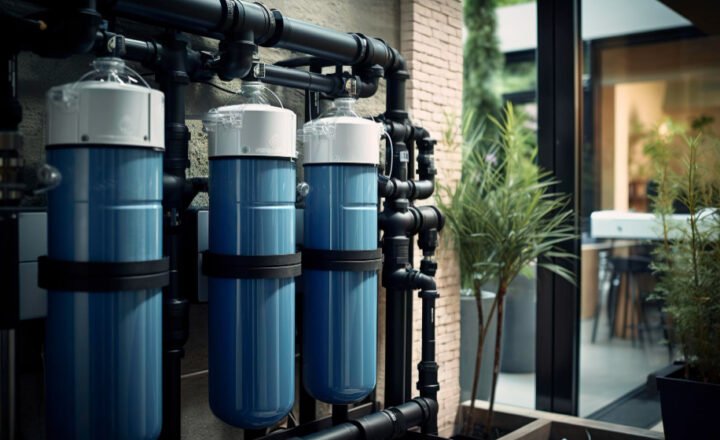
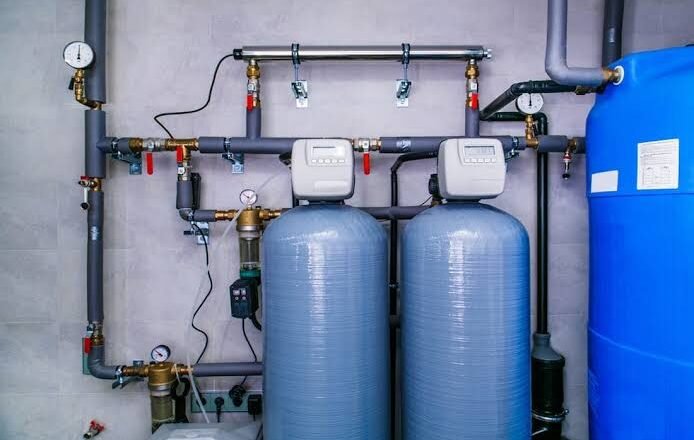
For households looking to reduce a broad range of dissolved contaminants, reverse osmosis systems can be a practical option. They typically use several stages of filtration followed by a semipermeable membrane to treat water before it reaches a dedicated drinking-water faucet.
That doesn’t mean reverse osmosis is appropriate for every household. Different systems have different capacities, filtration stages, maintenance needs, and water-use characteristics. The right choice depends on what’s actually present in the water and how much treated water your household needs.
Hot Water Shouldn’t Feel Like a Waiting Contest
There’s something oddly annoying about waiting for the kitchen faucet to produce hot water. You turn it on, walk away for a moment, come back, test it, and somehow it’s still not warm enough.
This tends to happen when the kitchen is located a long distance from the main water heater.
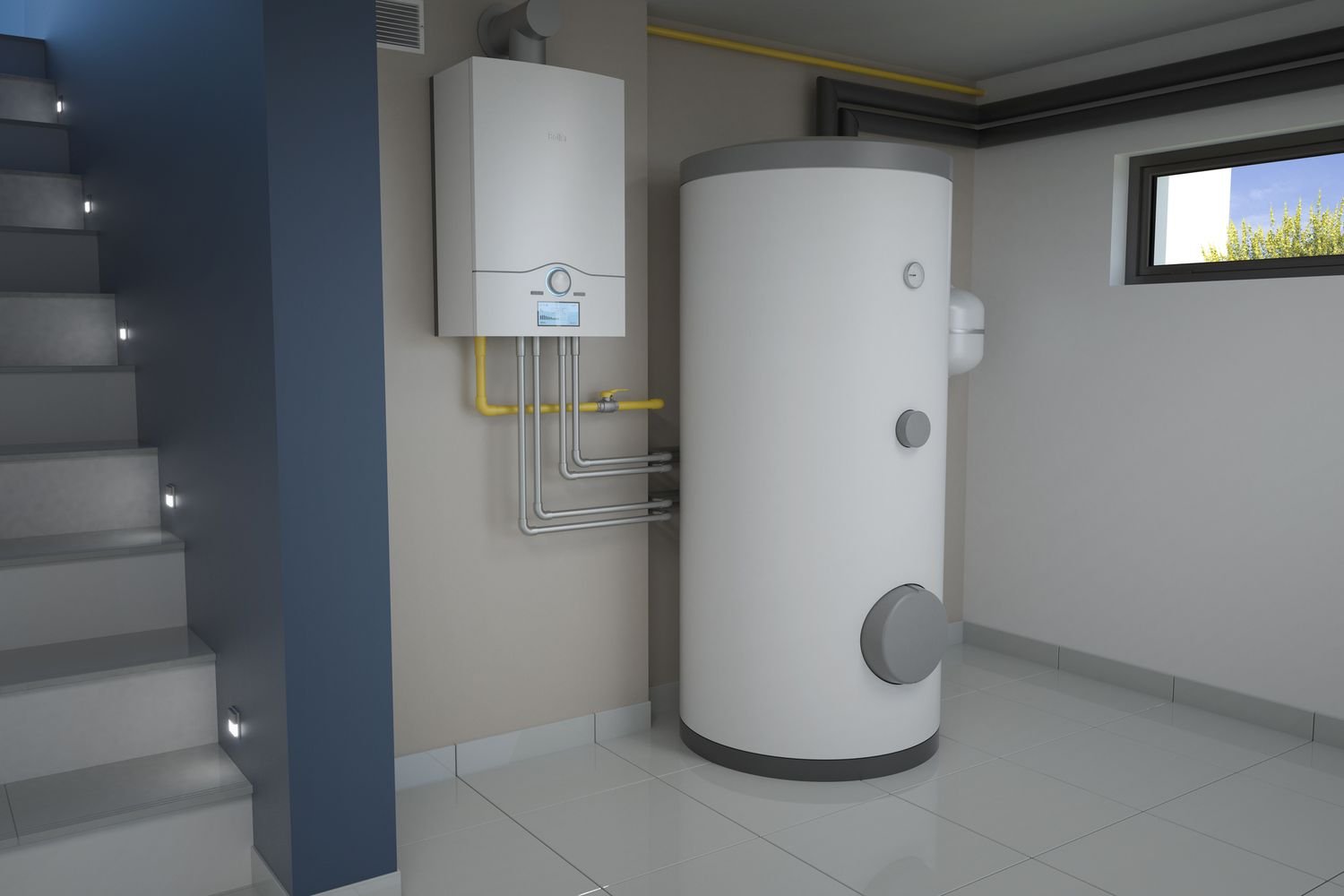
Point-of-use water heaters can provide a useful solution. Insta-hots are designed to deliver hot water close to the fixture where it’s needed, which can reduce waiting time and make everyday kitchen tasks a little easier.
For someone who frequently washes dishes or cooks at home, that convenience adds up. You’re not standing at the sink watching water disappear simply because you’re waiting for the temperature to change.
However, installation should be considered carefully. Electrical capacity, water flow, temperature settings, available space, and local installation requirements all matter. A compact unit still needs to be installed correctly.
A Garbage Disposal Is Helpful—If You Use It Properly
Kitchen scraps have a way of ending up in the sink. A small piece of food here, a little residue there, and eventually you’re wondering why the drain doesn’t seem as enthusiastic as it used to be.
Garbage disposals can make cleanup easier by grinding certain food waste into smaller particles before it enters the drainage system.
But they’re not miniature trash cans.
Grease and cooking oil should stay out of the drain. Fibrous foods, large bones, shells, and other unsuitable materials can also create trouble. Even materials that technically fit into the disposal may contribute to clogs or unpleasant odors.
Using cold water while operating the disposal and allowing it to run briefly after grinding can help move material through the drain. It’s also wise to avoid forcing too much food into the chamber at once.
A little restraint can extend the useful life of the appliance.
Water Pressure Is Part of the Experience
You can install excellent equipment and still be disappointed if the home’s water pressure isn’t right.
Low pressure may show up as a weak kitchen faucet, slow appliance filling, or an underwhelming shower. Sometimes the cause is simple—a clogged aerator or partially closed valve. Other times, the issue may involve old pipes, a pressure-regulating valve, or the incoming water supply.
If only one fixture has poor flow, start there. If pressure has dropped throughout the house, the problem probably deserves a broader inspection.
Sudden pressure changes are especially worth noticing. They can sometimes indicate a plumbing problem that shouldn’t be left unattended.
Don’t Forget About Maintenance
Every piece of equipment connected to your plumbing system needs some attention eventually.
Water filters need replacement. Reverse osmosis membranes need servicing. Point-of-use heaters may require inspection. Disposals can accumulate residue and develop odors if they’re neglected.
Maintenance isn’t particularly exciting, admittedly. But it’s much easier to replace a filter on schedule than to discover that poor maintenance has affected the performance of an expensive system.
A simple record can help. Note when filters were changed, when equipment was serviced, and when you first noticed unusual symptoms. You don’t need a spreadsheet worthy of a laboratory. A note on your phone is enough.
Be Careful With DIY Plumbing
There are plenty of small jobs that homeowners can handle.
Cleaning an aerator, replacing a faucet cartridge, changing a showerhead, or clearing a minor accessible blockage may be perfectly reasonable DIY tasks.
The situation changes when you’re dealing with hidden leaks, electrical connections, sewage, major pipe modifications, or equipment that requires specialized installation.
Water damage can become expensive very quickly, and an incorrect repair may not reveal itself immediately. A small leak behind a cabinet or wall can continue quietly for days.
If you aren’t confident about a repair, getting professional advice is usually cheaper than repairing the repair later.
Look for Warning Signs Around the Kitchen
Your kitchen often gives you clues when something isn’t working correctly.
Persistent drain odors, recurring clogs, water beneath the sink, unexplained changes in water pressure, unusual sounds, or sudden changes in water taste shouldn’t automatically be dismissed.
One strange occurrence may not mean much. A pattern is different.
For example, if the sink drains slowly every few weeks, there may be an underlying issue rather than a series of unrelated blockages. If a filtration system seems to lose performance unusually quickly, testing the incoming water may reveal why.
Good maintenance starts with noticing these patterns.
Think About the Whole System
One common mistake is buying individual plumbing products without considering how they interact with the rest of the home.
A water-treatment system affects flow and maintenance. A hot-water appliance has electrical or fuel requirements. A disposal depends on proper drainage. Existing pipes and valves need to be capable of supporting new equipment.
That’s why an evaluation of the existing plumbing can be valuable before a major upgrade.
The most expensive option isn’t automatically the best option. A system that’s oversized, unnecessarily complicated, or difficult to maintain can become more trouble than it’s worth.
The right equipment should solve a real problem while fitting comfortably into the way your household operates.
Small Upgrades Can Make a Big Difference
You don’t need to completely remodel your kitchen to make it work better.
Sometimes the most useful improvements are surprisingly ordinary: better drinking-water treatment, faster access to hot water, reliable drainage, and fixtures that don’t waste water.
These aren’t dramatic upgrades. Nobody is going to throw a party because you replaced a filter or fixed a slow drain. Yet you’ll notice the difference every morning when the faucet works properly and every evening when cleanup doesn’t turn into a plumbing battle.
The best kitchen plumbing is almost invisible. It quietly gives you clean, useful water, convenient hot water, and dependable drainage without demanding your attention.
That’s really the goal. Understand your water, choose equipment based on actual needs, maintain it properly, and don’t ignore the small warning signs. A few sensible decisions can make the busiest room in the house feel a whole lot easier to live with.