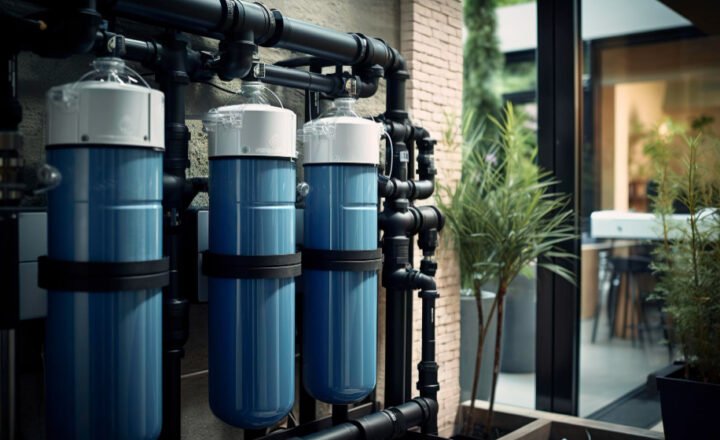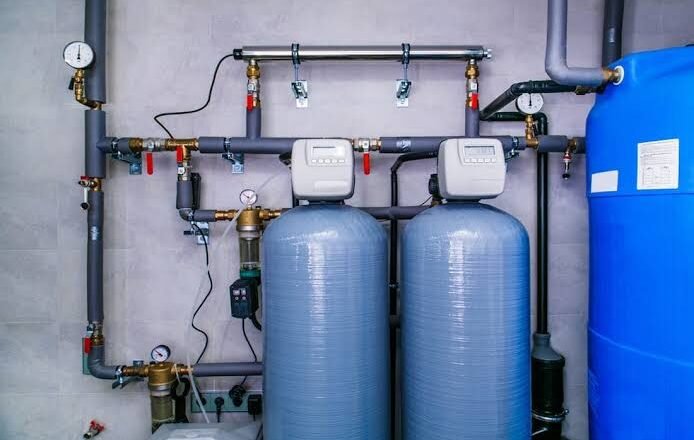
Turn on the kitchen faucet and the water looks perfectly normal. Clear, cool, and ready to use. Most of the time, you probably don’t give it a second thought. That’s the whole point of having a dependable municipal water supply.
Yet water can still have characteristics that affect how it tastes, smells, feels, or behaves around your home. Maybe your morning coffee has a faint chemical note. Shower water leaves your skin feeling unusually dry. Faucets collect mineral spots, or the kettle develops a chalky layer that seems to return almost overnight.
None of these things necessarily means your city water is unsafe. But they can be signs that additional treatment could make the water more pleasant and practical for your household.
The trick is understanding what you’re trying to improve before choosing a treatment system.
City Water Is Treated, But That Doesn’t Mean It Is Perfect for Every Home
Municipal water suppliers treat water before sending it through the distribution system. That treatment is essential for public health, but the water still has to travel through miles of pipes before reaching your faucet.
Along the way, water chemistry can interact with plumbing, and the characteristics of the source water can influence taste and mineral content. Every home is also a little different.
Older plumbing, household fixtures, water heaters, and appliances can all affect your experience.
This is why city water refining solutions can be useful for homeowners who want to improve specific qualities of their water without assuming there’s a major safety problem.
The goal may simply be better taste, fewer odors, less mineral buildup, or more consistent water for everyday use.
Taste and Odor Are Often the First Clues
If your water suddenly tastes different, your first instinct might be to stop drinking it. Sometimes that’s reasonable while you investigate, especially if the change is sudden or significant.
But municipal water can naturally have a noticeable treatment-related taste or smell.
Disinfectants are commonly used to control harmful microorganisms in public water systems. Depending on the local water supply, that may involve chlorine or chloramine.
Some people barely notice it. Others can taste or smell it immediately, especially in a glass of water that’s been sitting at room temperature.
Activated carbon filtration is commonly used to improve taste and odor by reducing certain compounds. The right filter, however, depends on the water chemistry and the manufacturer’s specifications.
It’s worth checking local water-quality information too. Your water provider’s annual report can be a useful starting point.
Hard Water Can Still Be an Issue
Municipal water isn’t automatically soft water.
Depending on the source, city water can contain meaningful amounts of calcium and magnesium. These naturally occurring minerals contribute to hardness.
You might notice the effects as white spots on dishes, mineral deposits around faucets, reduced soap lather, or scale inside appliances.
If hardness is affecting the entire home, water softener systems may be an option worth exploring.
Traditional water softeners are designed to reduce calcium and magnesium through an ion-exchange process. They can help address the minerals responsible for many common hard-water problems.
But don’t assume every home needs one. If hardness is relatively low, the cost and maintenance of a softener may not be worthwhile. A water test can help you make that decision with greater confidence.
Your Kitchen Water May Need Different Treatment
Many households focus particularly on drinking and cooking water. After all, the water used for a shower and the water poured into your coffee maker don’t necessarily have identical priorities.
A point-of-use filtration system can provide additional treatment at a kitchen faucet. Depending on the technology, it may target taste, odor, sediment, or particular contaminants.
Reverse osmosis systems are another option when more extensive treatment is appropriate. They can reduce many dissolved substances, although they also produce wastewater and require periodic filter and membrane replacement.
The right choice depends on what is actually present in the water.
There’s no prize for owning the most sophisticated filtration system on the block.
Whole-Home Treatment Has a Different Purpose
If your concerns extend beyond drinking water, whole-home filtration may make more sense.
Think about shower water, bathroom sinks, laundry, and water-using appliances. If you want to improve the characteristics of water throughout the property, treating water as it enters the home provides a broader approach.
A whole-home system can be designed around specific needs, such as sediment reduction, chlorine reduction, or other filtration goals.
However, whole-home treatment shouldn’t be viewed as a cure-all. Different contaminants require different technologies, and one filter doesn’t necessarily address everything.
That is why a professional assessment can be helpful before installation.
Don’t Forget About Your Plumbing
Sometimes homeowners focus so heavily on the water coming from the utility that they forget about what happens inside the house.
Water travels through pipes, valves, faucets, water heaters, and appliances before it reaches the final point of use. Plumbing condition can influence taste, appearance, and flow.
If you have an older property, unusual discoloration or metallic taste deserves attention. A treatment system may improve certain water characteristics, but it won’t repair damaged plumbing.
When something changes suddenly, investigate the cause rather than assuming a filter will solve it.
Maintenance Is Part of Clean Water
Water treatment equipment requires ongoing care.
Filters have replacement schedules. Reverse osmosis membranes eventually need attention. Water softeners require appropriate salt and system maintenance. Some equipment may need periodic sanitation or professional inspection.
It’s easy to postpone these tasks because the system doesn’t usually stop working dramatically when maintenance is overdue.
Instead, performance may simply decline.
A good habit is to record installation dates and replacement intervals. Set reminders on your phone if necessary. Ten seconds of planning can prevent months of forgotten maintenance.
Avoid Choosing Equipment Based Only on Advertising
Water-treatment marketing can make almost any system sound like a miracle solution.
Be cautious with broad claims. Ask exactly what the equipment is designed to reduce, whether the recommendation is based on your water conditions, and what maintenance will cost over time.
A reputable professional should be able to explain the technology in plain English.
You should also ask about flow rate, capacity, installation requirements, filter availability, warranty coverage, and expected operating costs.
The cheapest system isn’t necessarily the least expensive over its lifetime. Likewise, the most advanced system isn’t necessarily the right one.
A Little Testing Can Clarify a Lot
If you’re unsure what your city water needs, testing can provide useful information.
Start with your local water-quality report, then consider additional testing if you have specific concerns. Testing can help distinguish hardness from other issues and give you a better foundation for choosing treatment.
This prevents a common mistake: buying equipment because someone else recommended it.
Your neighbor’s water may not have the same characteristics as yours, even if you live only a few streets apart.
Better Water Doesn’t Have to Mean Complicated Water
Improving city water quality at home is really about matching the solution to the problem.
If taste and odor are your biggest concerns, filtration may be enough. If mineral deposits are driving you crazy, hardness treatment could make more sense. If drinking water is your main priority, a point-of-use system may be the practical choice.
There’s no need to turn your utility room into a laboratory.
Start with the basics. Understand your water, identify what bothers you, and choose treatment accordingly. Keep the equipment maintained once it’s installed, and pay attention when something changes.
Good water treatment should make life easier, not create another complicated household project. When the system is properly selected and cared for, you may not even notice it most days—and that’s actually the best outcome. You simply turn on the faucet, fill the glass, and get on with your day.