There’s something particularly unsettling about a plumbing problem you can’t see. You might notice a wet patch in the yard, hear water moving when every faucet is closed, or wonder why the water pressure isn’t what it used to be. The pipe itself may be several feet underground, doing its best impression of being someone else’s problem.
Unfortunately, underground water lines don’t usually fix themselves.
A damaged line can waste water, affect pressure, disturb soil, and eventually cause more serious property problems. The good news is that many issues can be handled efficiently when they’re identified early. The key is understanding what you’re dealing with before deciding how much of the system actually needs to be disturbed.
Start by Finding the Real Problem
A sudden plumbing issue doesn’t automatically mean the main water line has failed. A faulty fixture, pressure regulator, shutoff valve, or smaller supply pipe can create similar symptoms.
That’s why diagnosis comes first.
A professional may check water pressure, inspect accessible plumbing, review water usage, and use leak-detection equipment to narrow down the source. If the suspected problem is underground, locating equipment can help identify where the line runs and where the trouble may be occurring.
This matters because excavation is disruptive. Digging in the wrong place can turn one plumbing problem into two.
A Localized Problem May Be All You Need to Fix
Not every damaged pipe requires an entirely new water line. If the rest of the system is in good condition and the issue is limited to one area, repairing that section can be a sensible solution.
The damaged section might have a crack, failed connection, corrosion, or another localized defect. Removing the affected portion and installing a compatible replacement can restore the line without disturbing more of the property than necessary.
The decision should be based on the condition of the surrounding pipe. If the remaining line is already showing widespread deterioration, repeatedly repairing individual spots may become a frustrating and expensive cycle.
Choosing the Right Replacement Material
When a section of pipe is removed, the replacement material matters. Pipes aren’t interchangeable simply because they carry water.
The new pipe segment needs to be compatible with the existing system, appropriate for underground use, and suitable for local conditions. The connection between old and new materials also needs to be handled correctly.
Different properties may have different plumbing materials depending on their age and construction history. Modern systems often use materials selected for durability, flexibility, and resistance to corrosion, but older homes may contain metal piping that requires a different repair strategy.
This is one reason a professional assessment is valuable. The goal isn’t just to put something into the ground that fits. It should be a sound connection designed to remain reliable.
What About Copper Pipes?
Copper has been used in plumbing for generations, and for good reason. It is durable, widely understood by plumbers, and has a long history in residential water systems.
At the same time, copper isn’t automatically the best choice for every repair. Material selection depends on the existing plumbing, water chemistry, local requirements, installation conditions, and project goals.
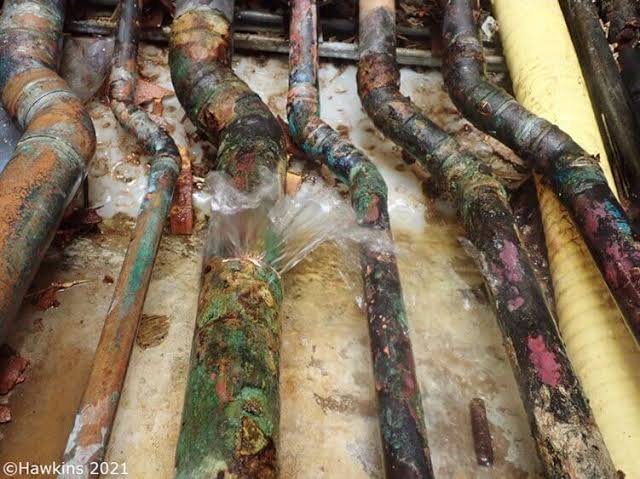
Older copper lines can develop pinhole leaks, particularly under certain water conditions. If multiple leaks have appeared over time, repairing each one individually may not be the most practical approach.
Again, context matters. A single leak in an otherwise healthy system is different from a pipe network that has begun failing in several locations.
Don’t Ignore Changes in Water Pressure
Water pressure is one of the easiest ways for a homeowner to notice something isn’t quite right.
If pressure gradually declines, there could be a buildup or restriction somewhere in the system. If it suddenly drops across the entire house, a leak or supply-line problem becomes more concerning.
However, pressure can also be affected by municipal supply conditions, regulators, valves, or other plumbing components.
A pressure test can help separate these possibilities. Rather than guessing based on how the shower feels, a professional can measure the system and investigate from there.
Look at the Yard, Too
Your landscaping may be giving you clues.
An underground leak can cause soil to stay damp, grass to grow unusually well in one area, or water to appear where it normally shouldn’t. During dry weather, these signs can be especially noticeable.
Sometimes the problem is less obvious. The ground may simply feel softer underfoot or develop a small depression.
Homeowners shouldn’t automatically assume every wet patch is a leaking pipe. Irrigation systems, drainage problems, rainfall, and natural groundwater can create similar conditions. Still, unexplained changes are worth checking.
Excavation Isn’t Always the First Answer
Traditional digging is sometimes necessary, especially when a pipe is severely damaged or located in a difficult configuration. But modern plumbing methods can provide alternatives in certain situations.
Less-invasive techniques may allow professionals to access or replace underground lines through smaller openings. Whether these methods are suitable depends on the pipe, soil, depth, location, and nature of the problem.
The important thing is not to choose a repair method based purely on marketing language. A trenchless solution isn’t automatically better, and excavation isn’t automatically outdated.
The right method is the one that safely solves the problem while making sense for the property.
Think About the Long-Term Cost
It’s easy to focus on the immediate repair price. After all, nobody enjoys receiving a plumbing estimate.
But the cheapest option today may not be the cheapest option over the next five years.
If an aging pipe has already failed several times, another small repair could simply delay the inevitable. Conversely, replacing an otherwise healthy line because of one isolated defect could be unnecessary.
Ask about the expected lifespan of the proposed repair, the condition of nearby pipe sections, and what caused the failure in the first place.
Understanding those answers can make the decision much easier.
Protecting the Rest of the Property
Underground utility work requires more planning than many people realize. Before digging, contractors need to consider other buried utilities, landscaping, irrigation lines, driveways, sidewalks, and structures.
Utility locating is especially important. Accidentally damaging an electrical, gas, or communication line can create a much more serious situation.
It’s also worth discussing restoration before work begins. Find out what happens to excavated soil and whether affected landscaping, pavement, or other surfaces will be restored.
Clear expectations prevent unpleasant surprises at the end of the job.
Prevention Is Worth Paying Attention To
Once the repair is complete, don’t simply forget about the system.
Keep records of what was repaired, where the line runs, and what materials were installed. If another contractor works on the property years later, that information can be extremely useful.
Pay attention to future warning signs as well. Recurring pressure changes, unexplained water bills, wet ground, or repeated leaks should be investigated rather than brushed aside.
A water line is easy to forget when everything works. That’s actually a good thing. Plumbing should quietly do its job without demanding attention every week.
When a problem does appear, though, the smartest response is usually calm and practical: identify the source, understand the condition of the system, and choose a repair that makes sense for both the property and the future.
Sometimes that means fixing one small section. Sometimes it means replacing much more. Either way, careful diagnosis is what keeps a manageable plumbing issue from becoming a much bigger mess.