Water is one of those everyday essentials that most people only notice when something feels off. A cloudy glass, an unusual smell, orange stains around the sink, or mineral buildup on the showerhead can quickly turn a routine household task into a small annoyance. Over time, though, these signs may point to larger water quality concerns that deserve attention.
Water conditions can vary from one community to another, even within the same broader region. Differences in water sources, groundwater composition, local infrastructure, and household plumbing can all affect what comes out of the tap. That’s why choosing a water treatment solution based only on a neighbor’s experience or a generic advertisement may not deliver the results you expect.
For homeowners, understanding local conditions and working with a knowledgeable provider can make the process easier. The goal is not to buy the biggest system available. It is to identify the actual issue and choose equipment that makes sense for your home, budget, and daily water use.
Why Local Water Conditions Matter
Water quality is influenced by several factors, including whether a property receives municipal water or relies on a private well. Treatment processes may address certain concerns before water reaches a home, but additional issues can develop as water travels through distribution lines and household plumbing.
Hard water is one of the most common concerns in many Florida communities. It contains minerals such as calcium and magnesium, which can create scale on faucets, shower doors, water heaters, and appliances. Other households may experience iron staining, sulfur odors, sediment, or unpleasant tastes.
The first step should be testing. A water test can help identify hardness levels, pH, iron, manganese, bacteria, and other substances, depending on the type of analysis performed. Testing is particularly important for private wells because groundwater conditions can change over time.
A professional provider should explain the results clearly and connect any recommendation to the actual water conditions found on the property.
Water Quality Considerations in Polk County
Homeowners in polk county may encounter water concerns associated with mineral content, groundwater conditions, and variations between communities. Hard water can be frustrating because its effects often appear gradually. A homeowner might notice white deposits around faucets, soap that does not lather easily, or laundry that feels rough after washing.
Mineral scale can also collect inside water-using appliances. Water heaters, dishwashers, washing machines, and coffee makers may all be affected when hard water is left untreated for long periods. This does not mean every home needs the same equipment, but it does make water testing a useful starting point.
For properties using well water, additional testing may be necessary to check for bacteria, iron, sulfur, or other concerns. A basic hardness test alone may not provide a complete picture.
The best treatment plan for a Polk County home should reflect the property’s water source, household size, water usage, and test results rather than relying on a standard package.
Water Concerns in Hillsborough County
In hillsborough county, homeowners may also deal with hard water, chlorine taste, sediment, staining, or other issues connected to local water conditions and plumbing systems. The exact experience can differ by neighborhood and water source, so assumptions should be avoided.
Some households mainly want to reduce mineral buildup on fixtures and appliances. Others may be more concerned about the taste or odor of drinking water. These are different goals and may require different technologies.
A water softener is commonly used to reduce hardness minerals. Carbon filtration may help improve taste and odor by reducing certain substances such as chlorine. Reverse osmosis can provide more focused treatment for drinking water, while whole-house filtration may be appropriate when water concerns affect multiple fixtures throughout the home.
No single system removes everything. Homeowners should ask what a proposed system is designed to address and whether additional treatment or testing is needed.
What Pasco County Homeowners Should Know
Water quality planning in pasco county should begin with the same basic principle: understand the water before choosing equipment. A home supplied by a public utility may have different needs from a property using a private well, and two homes with similar symptoms may still require different solutions.
For example, orange staining could be associated with iron, but the appropriate treatment depends on the form and concentration of iron in the water. A sulfur odor may require a specialized filtration or oxidation process rather than a standard carbon filter. Sediment concerns may call for pre-filtration to protect plumbing fixtures and downstream equipment.
Testing helps narrow down the possibilities. It also allows a provider to recommend a system that is appropriately sized for the home’s flow rate and water demand.
If a company recommends expensive equipment without asking about the water source, testing history, or symptoms you have noticed, it may be worth getting another opinion.
Choosing Between Common Treatment Systems
Several water treatment technologies are available, and each has a specific purpose.
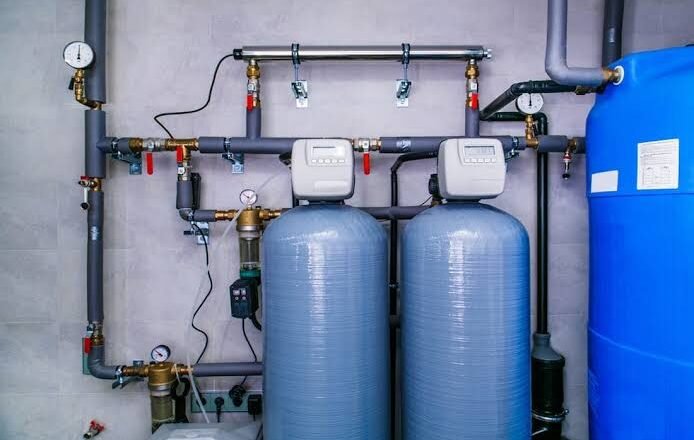
A water softener is designed mainly to reduce hardness minerals. It may help limit scale buildup and improve the performance of soaps and detergents. Traditional softeners often require salt and periodic regeneration, so homeowners should understand the maintenance involved.
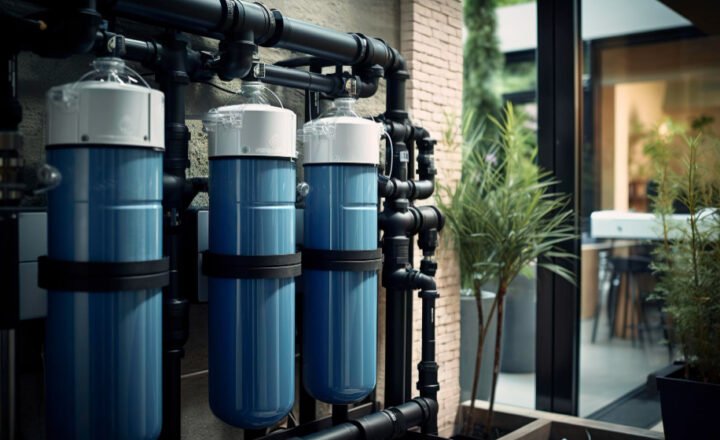
Whole-house filtration systems are installed at the main water entry point and may reduce sediment, chlorine, odors, or selected contaminants, depending on the filter media. These systems can be useful when water quality concerns are present throughout the home.
Reverse osmosis systems are often installed at a kitchen faucet for drinking and cooking water. They can reduce certain dissolved substances, but they require filter and membrane replacement and may produce wastewater during operation.
Ultraviolet purification may be considered for specific microbial concerns, especially in some private well applications. However, it should be selected according to test results and professional guidance.
Installation and Maintenance Matter
Even the right system can perform poorly if it is installed incorrectly. Water treatment equipment must be connected securely to the plumbing and configured according to manufacturer requirements. Water pressure, drainage, electrical access, and available installation space may all affect the setup.
Before installation, ask whether labor, fittings, setup, testing, and cleanup are included in the estimate. Make sure you understand how the system works and what maintenance is required.
Regular maintenance may include replacing filters, adding salt, cleaning components, checking valves, or scheduling inspections. Ignoring these tasks can reduce performance and shorten the life of the equipment.
A dependable provider should offer clear instructions and explain whom to contact if the system begins leaking, loses pressure, or stops treating water effectively.
Questions to Ask Before Making a Decision
A few practical questions can help homeowners avoid confusion:
- What problem is the system designed to solve?
- Was the recommendation based on a recent water test?
- What contaminants or minerals will it reduce?
- What will the system not remove?
- How often will filters or treatment media need replacement?
- How much salt, water, or electricity will it use?
- What are the installation and long-term maintenance costs?
- What does the warranty cover?
- Is follow-up service available locally?
Clear answers are a good sign. A professional should be willing to explain the equipment without using pressure or exaggerated promises.
A More Informed Approach to Better Water
Water quality concerns can feel complicated, but the process becomes much more manageable when approached step by step. Start by identifying noticeable problems, arrange appropriate testing, and learn what the results mean. Then compare treatment options that fit the property and its actual needs.
Whether you live in Polk County, Hillsborough County, or Pasco County, local familiarity can be helpful—but it should be combined with proper testing, transparent recommendations, quality installation, and ongoing support.
The right water treatment system should improve daily comfort, help protect plumbing and appliances, and remain practical to maintain. When the solution is based on facts rather than guesswork, cleaner and more dependable water becomes a realistic long-term improvement for the entire household.