You usually know when something is wrong with your household water. The clues aren’t always dramatic. Sometimes it’s the faint smell that makes you hesitate before filling a glass. Other times, the water looks clear at first and leaves a rusty-orange stain around the sink a few minutes later.
Then there’s the classic rotten-egg smell. It can turn an otherwise pleasant shower into something you’d rather finish quickly.
Water problems like these are frustrating because they’re part of everyday life. You use water constantly — for cooking, bathing, washing clothes, cleaning, and drinking. When the quality changes, even ordinary routines start feeling like chores.
The good news is that iron, sulfur, and odor problems can often be addressed with the right treatment approach. But first, you need to understand what’s causing the issue.
Why Does Water Smell Strange?
Unpleasant water odors can have several causes.
A rotten-egg smell is often associated with hydrogen sulfide, which can occur naturally in groundwater. Certain bacteria can also contribute to sulfur odors. In other situations, an odor may come from plumbing or a water heater rather than the water source itself.
That distinction matters.
Treating the wrong source of the problem can mean spending money without getting the result you expected. If the smell only appears when using hot water, for example, the water heater deserves attention before you start shopping for a whole-house treatment system.
A basic water test can help narrow things down.
Iron Can Be More Than an Aesthetic Problem
Iron in water is usually noticed because of what it leaves behind.
You might see reddish-brown stains in sinks, bathtubs, toilets, or laundry. Water may also develop a metallic taste or leave deposits inside plumbing fixtures.
There are different forms of iron in water, and they don’t all behave in exactly the same way. Some iron is dissolved and invisible when the water first comes out of the tap. Once it encounters air, however, it can oxidize and create the familiar rusty appearance.
That’s why a glass of water can look perfectly clear when you fill it and develop a strange color later.
It isn’t your imagination. Chemistry is simply doing its thing.
Choosing the Right Treatment
Not every filter is designed to remove iron or sulfur odors.
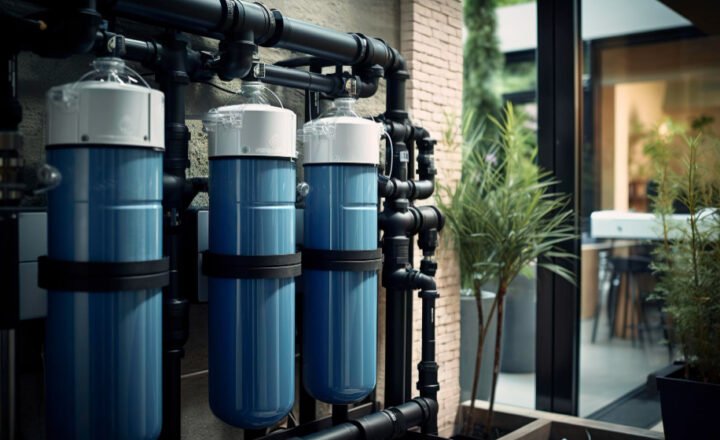
For homes dealing with these specific concerns, iron and odor removal systems can provide a more targeted approach. Depending on the water chemistry, treatment may involve oxidation, specialized filtration media, aeration, or a combination of methods.
The appropriate technology depends on factors such as iron concentration, sulfur levels, pH, flow rate, and the presence of other minerals.
This is one reason professional testing can be worthwhile. A system selected without understanding the water chemistry may work brilliantly in theory and disappoint badly in practice.
In short, don’t choose treatment based solely on a picture of rusty water on a website.
What About Sulfur Odor?
That rotten-egg smell deserves a little investigation.
Hydrogen sulfide can make water unpleasant to drink and shower in, even when the concentration isn’t particularly high. Some people notice the smell immediately, while others become accustomed to it over time.
If the odor is present in both hot and cold water, the source may be the incoming water supply. If it appears only in hot water, the water heater may be contributing.
A professional can help determine whether the issue is related to the source water, plumbing, or heating equipment.
Once the cause is identified, treatment becomes much more straightforward.
Don’t Forget Your Water Heater
Water treatment discussions often focus entirely on filters and forget the equipment already sitting in the home.
Water heaters can accumulate sediment and minerals. In certain circumstances, reactions inside the tank can contribute to unpleasant odors.
If the problem is limited to hot water, investigate that possibility before investing in a filtration system designed for the entire property.
This is a simple example of why diagnosis comes before equipment. You don’t want to spend thousands treating water that isn’t actually the root of the problem.
Pay Attention to pH and Water Chemistry
Iron and sulfur treatment isn’t always as simple as installing a filter and waiting for cleaner water.
Water chemistry matters.
pH can influence how effectively certain treatment processes work. Other minerals may interfere with filtration or affect equipment performance. Flow rate matters, too. A system needs to be properly sized for the amount of water your household uses.
A small household and a large family can have very different requirements.
When comparing systems, ask whether the equipment has been selected based on your actual water analysis. If the answer is no, you may want to slow down before signing anything.
Staining Is Often a Clue
Rust-colored stains aren’t just ugly. They’re useful information.
If stains repeatedly appear around fixtures, toilets, or laundry, iron may be present in the water. The pattern and appearance of the staining can sometimes provide clues about the type of iron involved, although testing is a much more reliable way to identify the cause.
The sooner you address the issue, the better.
Iron deposits can accumulate inside plumbing and appliances over time. Even when the primary concern is aesthetic, ongoing buildup isn’t something most homeowners want to ignore.
Maintenance Still Matters
Installing treatment equipment doesn’t mean the problem disappears forever.
Filters and treatment media have service lives. Some systems need backwashing, cleaning, media replacement, or other routine attention. If maintenance is skipped, performance can decline gradually.
That’s why it’s worth asking about the maintenance schedule before buying.
Find out what you need to do yourself, what requires a technician, and what replacement components typically cost. A system that looks inexpensive initially may be less appealing once you discover the ongoing maintenance requirements.
Good equipment should be manageable, not mysterious.
When to Request Professional Help
Sometimes the best first step is simply to stop guessing.
If your water suddenly develops a strong odor, changes color, leaves unusual stains, or tastes significantly different, consider having it tested. This is particularly important for private wells, where water quality can change with environmental conditions.
When you request service, give the technician as much useful information as possible. Mention whether the problem affects hot water, cold water, or both. Explain when you first noticed it and whether the issue appears at every faucet.
Those details can save time during diagnosis.
And if you notice a sudden or severe change in water quality, don’t assume it’s merely a nuisance. Depending on the circumstances, professional testing may be appropriate before continuing to use the water for drinking.
Choosing a Provider You Can Trust
Water treatment is a long-term decision, so the company behind the equipment matters.
Look for providers willing to explain your test results, discuss different treatment options, and provide realistic maintenance expectations. Be cautious of anyone who immediately recommends an expensive system without asking questions about your water.
A good provider should be comfortable saying, “You don’t need that.”
That kind of honesty is valuable.
Before making a purchase, check the warranty, service arrangements, replacement-part availability, and installation requirements. If you have questions that aren’t answered clearly, contact us through the provider’s preferred service channel and ask for clarification before moving forward.
Cleaner Water Starts With Knowing the Cause
Iron stains and unpleasant odors can make household water feel like a constant annoyance, but they don’t have to become permanent features of your home.
The first step is understanding what’s actually causing the problem. Test the water, look at whether the issue affects hot or cold water, and consider the condition of your plumbing and water heater.
From there, the right treatment becomes much easier to identify.
You don’t necessarily need the biggest system, the most expensive equipment, or the longest list of features. You need a solution that matches your water chemistry and your household’s needs.
Once the right system is installed and maintained properly, those rusty stains and strange odors can finally become what they should have been all along: a problem you used to have, not something you have to live with every day.