Most houses don’t fall into disrepair overnight. It happens quietly, almost politely. A gate gets a little loose. A faucet drips for a few days. A patch of paint starts bubbling near the bathroom. You notice it, make a mental note, and carry on with your week.
Then one day, the small thing isn’t small anymore.
That’s why regular home maintenance is less about keeping everything picture-perfect and more about noticing changes early. A few minutes spent checking around the house can sometimes prevent a much bigger repair, a messy emergency, or an expense that nobody really planned for.
The good news is that you don’t need to be a professional tradesperson to spot many warning signs. You simply need to know what deserves attention.
Start Outside With the Fence
Your fence has a fairly thankless job. It sits outside through sun, rain, wind, temperature changes, and the occasional enthusiastic dog, all while quietly marking the edge of your property.
Over time, posts can loosen, boards can rot, fasteners can rust, and gates can start dragging across the ground.
Minor fence repairs are often much easier when the damage is caught early. Replacing a damaged board or tightening a loose section may take far less effort than rebuilding an entire run of fencing after several weak points have failed.
Walk along the fence occasionally and give questionable sections a visual check. Look for leaning posts, gaps, cracked boards, rusted hardware, and areas where the soil around a post has shifted.
If something feels unstable, don’t wait for the next storm to make the decision for you.
Pay Attention to the Bathroom
Bathrooms experience more moisture than almost any other room in the home. That’s normal. What isn’t normal is persistent moisture where it shouldn’t be.
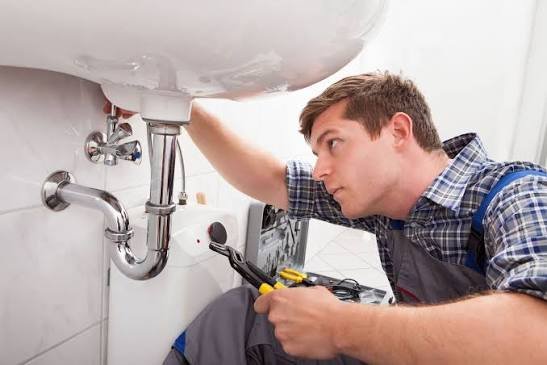
A toilet that rocks slightly, a sink that drains slowly, or a faucet that never quite stops dripping may seem like minor annoyances. But these problems can sometimes indicate worn seals, loose connections, blocked drainage, or deteriorating plumbing components.
It’s worth dealing with sink and toilet issues before water starts reaching cabinets, flooring, or walls. Even a small plumbing problem can create hidden moisture, and hidden moisture has a nasty habit of becoming expensive.
Don’t overlook the area beneath the sink, either. Open the cabinet and take a quick look every now and then. A dry cabinet bottom is what you want to see.
Small Leaks Can Hide for a Long Time
Water doesn’t always announce itself with a dramatic burst pipe. Sometimes it’s a faint stain, a damp smell, a soft patch of flooring, or a small amount of moisture around a fitting.
Those small leaks can continue unnoticed for weeks or months, especially when they’re inside walls, beneath cabinets, or under appliances.
Check visible plumbing connections periodically. Look around washing machines, water heaters, toilets, sinks, and exposed pipes. If you notice unexplained moisture, don’t simply wipe it away and move on.
Find out where it’s coming from.
That sounds obvious, but it’s surprisingly easy to normalize a little puddle when you’ve seen it several times.
Walls Can Reveal Hidden Problems
A wall crack doesn’t automatically mean there’s a serious structural issue. Homes settle, building materials expand and contract, and drywall joints can develop minor cracks over time.
Still, changes matter.
A crack that suddenly appears, grows noticeably, becomes wider, or is accompanied by sticking doors or uneven floors deserves closer attention. Water stains are another warning sign, particularly if they become darker after rain or plumbing use.
Before repainting a damaged wall, figure out why the damage occurred. Cosmetic repairs are useful, but covering a recurring problem with fresh paint isn’t really a solution.
Listen to the House
Your home makes noises. Pipes knock occasionally. Floors creak. Heating and cooling systems hum. That’s part of living in a building.
But a new or increasingly loud sound can be worth investigating.
A toilet that constantly runs, a water heater that makes unusual noises, or a furnace that starts cycling differently may be telling you something. The same applies to doors and windows that suddenly become harder to open.
You don’t need to diagnose every sound yourself. The goal is simply to notice when something has changed.
Don’t Forget Doors and Windows
Exterior doors and windows help protect the house from weather, moisture, drafts, and unwanted air movement.
Check the seals around them periodically. Look for cracked caulking, damaged weatherstripping, condensation between panes, or gaps around the frame.
A door that sticks seasonally may be responding to humidity. A door that has suddenly become difficult to close could have a hinge, frame, or alignment issue.
These details are easy to overlook because the problem develops gradually. But correcting them early can improve comfort and prevent moisture from getting into places where it doesn’t belong.
Gutters Deserve a Quick Inspection
Gutters are another part of the house most people only think about when they stop working.
Leaves, twigs, dirt, and roof debris can accumulate inside them. When water can’t flow freely, it may spill over the edges and run down walls or collect near the foundation.
While cleaning gutters, check for sagging sections, separated joints, holes, and loose fasteners. Make sure downspouts direct water away from the foundation rather than dumping it directly beside the house.
A few minutes with a ladder and a careful look can reveal problems before the next heavy rain does.
Know When DIY Isn’t Enough
There are plenty of jobs homeowners can handle safely. Tightening a loose screw, replacing a simple piece of hardware, cleaning a gutter, or touching up a small cosmetic mark may be perfectly reasonable.
But some situations call for professional help.
Electrical faults, major plumbing problems, structural concerns, extensive water damage, gas-related issues, and repairs involving significant heights shouldn’t be treated as casual weekend experiments.
Saving money is great. Creating a second, larger problem isn’t.
When you’re unsure about the cause or safety of a repair, getting an experienced professional to inspect it can be the smarter choice.
Create a Simple Home Repair Routine
You don’t need a complicated maintenance schedule.
Once every few months, walk around the exterior. Look at the roofline, gutters, fence, windows, doors, and foundation area. Inside, check under sinks, around toilets, near appliances, and in rooms where moisture is common.
Take note of anything that looks different.
A small phone note with a list of repairs can be surprisingly effective. Add the date, what you noticed, and whether it needs immediate attention or can wait.
This prevents the classic homeowner problem: remembering that something was wrong, but forgetting exactly what it was.
Don’t Wait for the Emergency
Home repairs are rarely convenient. Nobody wakes up excited to discover a leaking pipe or a broken fence section.
But there is a big difference between dealing with a manageable repair and dealing with damage that has been growing quietly behind the scenes.
The goal isn’t to spend money fixing every tiny imperfection. It’s to pay attention. If something changes, investigate it. If a repair is simple and safe, handle it. If the cause is unclear or the job is beyond your experience, bring in someone who knows what they’re doing.
A house doesn’t need constant attention. It just needs the right attention at the right time.
And honestly, that’s often enough to keep small problems from becoming the kind of problems you really don’t want to meet on a Monday morning.