Waste tends to become noticeable at exactly the wrong time. You’re halfway through a renovation, the garage is already packed, or a construction crew is moving quickly, and suddenly there is nowhere sensible left to put the debris. What looked like a manageable pile yesterday can become a genuine obstacle today.
The good news is that waste removal doesn’t have to be complicated. With a little planning, the right dumpster can keep debris contained, make a job site safer, and save valuable time. The trick is choosing a container that matches the project rather than simply picking the biggest one available.
That decision starts with understanding what you’re throwing away and how much of it you’re likely to create.
Start With the Project, Not the Dumpster
It’s easy to begin by asking, “What size dumpster should I rent?” A better question is, “What exactly will this project produce?”
A bathroom remodel may generate drywall, tile, cabinets, fixtures, and packaging. A garage cleanout could involve furniture, boxes, old equipment, and household junk. Construction work can produce wood, metal, roofing materials, masonry, and other debris.
These materials vary considerably in both volume and weight. Making a quick list before ordering gives you a much better starting point.
If you’re working with a contractor, ask what they expect. They’ve probably filled enough dumpsters to know when a project is likely to need extra capacity.
Where an 8-Yard Front-Load Container Fits
Businesses that generate waste regularly often need something different from a homeowner completing a one-time cleanout.
An 8-yard front load container can provide substantial capacity for ongoing commercial waste collection while still being designed around scheduled service. Depending on local availability and waste volume, it may suit businesses such as restaurants, retail stores, offices, apartment properties, and other organizations that produce significant amounts of routine trash.
The important part isn’t simply having a large container. It’s matching the size to the business’s actual waste habits.
A container that’s too small can overflow between pickups. One that’s unnecessarily large may take up valuable space and cost more than needed.
When a 20-Yard Roll-Off Makes Sense
Temporary projects usually have a different rhythm.
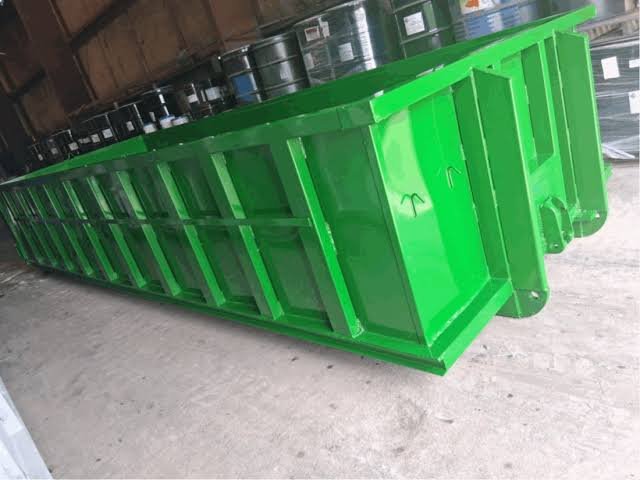
A 20 yard roll off can be useful for moderate renovation work, property cleanouts, construction projects, and other jobs where waste accumulates over a limited period. The container stays on-site while the project is underway, giving workers a convenient place to put debris as they remove it.
This can eliminate repeated trips to a disposal facility. Instead of stopping work every time the truck fills up, debris can be moved directly into the container.
For homeowners, that convenience can make a messy renovation feel much more manageable. For contractors, it can help keep workers focused on the job.
Larger Projects May Need More Room
Some projects simply create too much debris for a smaller container.
A 30 yard dumpster can be a practical choice for larger renovations, extensive cleanouts, roofing work, demolition, and construction projects where a moderate container might fill too quickly.
The advantage is obvious: more capacity means fewer interruptions. But don’t assume that larger automatically means better.
If your project produces heavy materials, weight limits can become more important than available space. A container may look half full while already carrying a substantial load of concrete, brick, tile, or roofing debris.
Always discuss the material type with the provider before making a final decision.
Weight Can Change the Equation
People naturally think about waste in terms of how much physical space it takes. That’s only half the story.
Lightweight materials such as cardboard and household junk can fill a container without becoming extremely heavy. Dense materials are different.
Concrete, soil, bricks, and masonry can add weight very quickly. If you’re removing a driveway, breaking up a patio, or demolishing a masonry structure, ask about weight limits and disposal rules before loading.
Trying to squeeze heavy debris into a larger container doesn’t necessarily solve the problem. In some cases, a different disposal or hauling arrangement may be more appropriate.
Think About How Materials Will Be Loaded
The loading process matters more than people expect.
Large pieces should be broken down when practical. Cardboard can be flattened, furniture can sometimes be dismantled, and smaller debris can be placed around larger pieces to use the available space more efficiently.
Don’t simply throw everything into the middle of the container. A little organization can prevent large air pockets from forming and help you get more practical use from the available capacity.
Safety matters, too. Keep debris below the allowed fill line and don’t attempt to climb inside the container to rearrange materials.
Pick the Location Before Delivery
A dumpster needs more than an empty patch of ground.
The delivery truck needs enough room to approach and position the container. Check for overhead branches, utility lines, narrow gates, parked vehicles, soft ground, and other obstacles.
For residential projects, a driveway is often convenient, but make sure access remains practical. For businesses and construction sites, consider employees, customers, equipment, and traffic.
You don’t want the dumpster to become an obstacle that creates another problem while solving the first one.
Know What Isn’t Allowed
Not every unwanted item belongs in a dumpster.
Depending on the provider and local regulations, materials such as hazardous chemicals, certain paints, batteries, electronics, tires, and other specialized waste may require separate disposal.
When in doubt, ask.
It is much easier to confirm the rules before loading than to deal with a prohibited material after the container has been filled. This is particularly important on commercial and construction sites where several people may be adding debris throughout the day.
Rental Time Should Match Reality
Project schedules aren’t always reliable.
A renovation that should take one week can stretch into two. A contractor may uncover an unexpected issue, or a delivery delay may push everything back.
Before renting a dumpster, understand the rental period and ask what happens if you need more time. Some providers offer extensions, while others may have specific pickup arrangements.
Knowing the policy beforehand gives you flexibility without the stress of making last-minute arrangements.
Pay Attention to the Full Cost
Dumpster pricing can depend on size, location, rental duration, waste type, weight, delivery, pickup, and disposal fees.
Don’t compare services using only the advertised base price. Ask what is included and whether additional charges could apply.
If you’re uncertain about size, explain your project and ask for an estimate. A reputable provider should be willing to discuss your needs rather than simply pushing you toward the largest available container.
The cheapest option isn’t always the least expensive in the end. Renting something too small and needing another container can quickly change the math.
A Clean Job Site Is a Better Job Site
There is a practical reason to care about waste beyond appearances.
Loose debris creates tripping hazards. Piles of material can block access. Sharp objects can injure workers or residents. An overflowing container can also make a property look neglected.
Keeping waste contained as the project progresses helps everyone move around more safely.
It also makes the final cleanup far less dramatic. Instead of spending an entire day collecting scattered debris, you can already have much of it in one organized location.
Make the Choice Based on Reality
The right dumpster isn’t necessarily the largest, newest, or cheapest option. It’s the one that fits the project.
Consider the amount of waste, the material’s weight, the loading process, the available space, the rental period, and the disposal rules. If you’re unsure, ask questions before the container arrives.
Good waste planning doesn’t need to be complicated. It just needs to happen early enough.
Once the debris has a place to go, the rest of the project tends to feel a little easier. There is more room to work, fewer unnecessary trips, and less clutter getting in the way. And when the container finally leaves and the property looks clean again, you’ll realize that a simple decision made at the beginning helped bring the whole project to a much smoother finish.