Clean water is something most people expect to have whenever they turn on a tap. We drink it, cook with it, wash vegetables in it, and use it for everything from brushing our teeth to making morning coffee. Yet, water quality can vary significantly depending on where it comes from, how it is treated, and the condition of the plumbing inside a home.
Sometimes the problem is obvious. There may be an unpleasant smell, a metallic taste, cloudy water, or visible staining around sinks and bathtubs. Other times, the water looks perfectly clear but still contains dissolved minerals, chlorine, sediment, or other unwanted substances. That’s why choosing the right treatment method requires more than buying the first system advertised online.
Different technologies solve different problems. Understanding how they work can help homeowners invest wisely and avoid paying for equipment that doesn’t address their actual water concerns.
Start by Understanding Your Water
Before choosing a treatment system, it helps to identify what is actually in the water. Municipal water supplies are treated before reaching homes, but treatment does not mean every household will have the same water experience. Private well water can vary even more, depending on local geology, groundwater conditions, and nearby land use.
A basic water test may reveal information about hardness, pH, iron, manganese, chlorine, nitrates, bacteria, and other potential contaminants. Testing is especially important when water comes from a private well or when there has been a noticeable change in taste, color, or odor.
Water testing also prevents a common mistake: choosing a system based only on a symptom. For example, a rotten-egg smell may suggest hydrogen sulfide, while white scale on faucets may point to hard water. These problems need different solutions, and one device may not solve both.
How Activated Carbon Helps Improve Water Quality
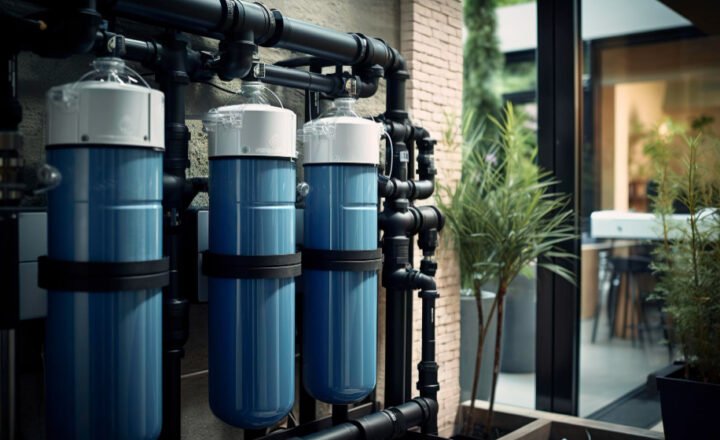
One of the most widely used treatment technologies is activated carbon water filtration. Carbon is effective at reducing many substances that affect taste and odor, particularly chlorine and certain organic compounds. This makes it a popular choice for homes that receive treated municipal water but still dislike the flavor or smell.
Activated carbon works through a process called adsorption. Instead of simply trapping contaminants in open spaces, the carbon’s porous surface attracts and holds certain chemicals as water passes through it. The quality and amount of carbon used can affect how well the filter performs.
Carbon filters are available in several forms, including pitcher filters, refrigerator filters, faucet-mounted units, countertop models, and whole-home systems. A point-of-use filter is often enough when the main concern is drinking and cooking water. A whole-house carbon system may be more suitable when chlorine odor or taste is noticeable at multiple taps.
However, carbon filtration has limits. It is not designed to remove every contaminant, and it generally does not reduce water hardness. Filter replacement is also essential. Once the carbon becomes exhausted, its performance declines, even if the water continues to look clear.
When Purification or Deionization May Be Appropriate
Some households need more advanced treatment than a standard carbon filter can provide. In these situations, purification / deionization may be considered, particularly when the goal is to reduce dissolved ions and produce highly low-mineral water for a specific application.
Deionization uses specially designed resin materials to exchange unwanted positively and negatively charged ions in water. The process can reduce dissolved minerals such as calcium, magnesium, sodium, chloride, and sulfate. It is often used in laboratories, manufacturing, aquariums, electronics production, and other settings where mineral content must be tightly controlled.
For ordinary household drinking water, complete deionization is not always necessary. In fact, it may be excessive unless there is a clear reason to require very low-mineral water. Deionized water can also be corrosive under certain conditions, so system design and post-treatment considerations matter.
Reverse osmosis is another purification technology often discussed alongside deionization. It uses a semi-permeable membrane to reduce many dissolved substances, along with sediment and certain contaminants. In some systems, carbon prefilters and post-treatment stages are combined with reverse osmosis to improve performance and taste.
The right choice depends on the water test, intended use, and maintenance requirements. Advanced treatment should be selected because it solves a defined problem, not simply because it sounds more powerful.
The Role of an Under-Sink Filter
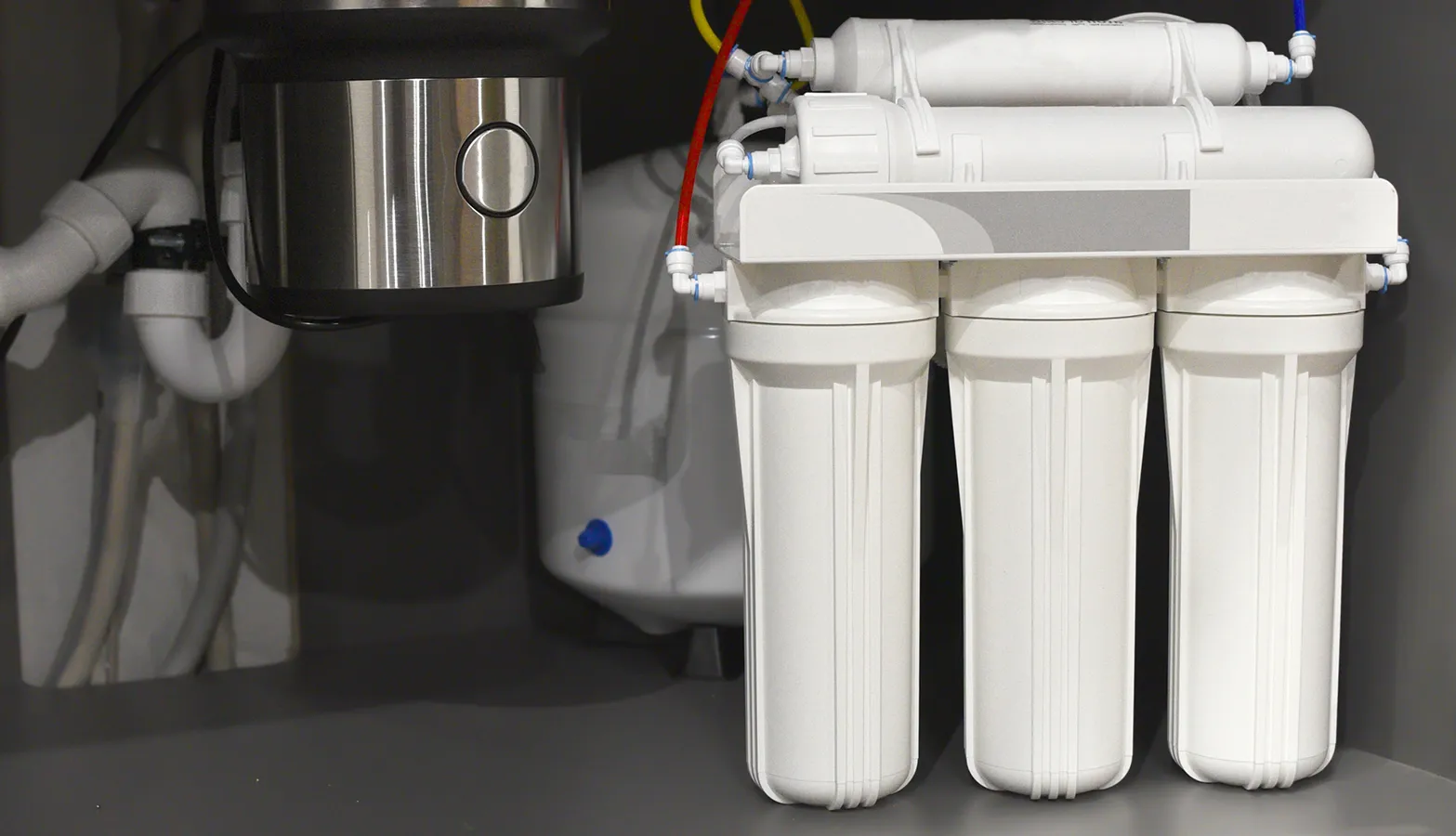
For many homes, an under sink water filter offers a practical balance between convenience, performance, and cost. Installed beneath the kitchen sink, this type of system connects to the cold-water line and usually delivers filtered water through a dedicated faucet.
Unlike a pitcher that needs to be refilled repeatedly, an under-sink system provides filtered water directly when needed. It also avoids taking up valuable counter space. This can be especially useful for families who drink a lot of water or cook frequently.
Under-sink systems come in different designs. Some use carbon cartridges to improve taste and reduce selected chemicals. Others use reverse osmosis membranes for more extensive treatment. The choice should be based on certified performance claims and the contaminants found in the water.
Homeowners should check the filter’s replacement schedule, installation requirements, flow rate, and long-term operating cost. A system may appear affordable initially but become expensive if replacement cartridges are difficult to find or need to be changed frequently.
Don’t Confuse Filtration With Water Softening
Water filtration and water softening are often treated as if they are interchangeable, but they serve different purposes. Filtration generally targets sediment, chemicals, odors, and selected contaminants. Softening focuses mainly on hardness minerals, especially calcium and magnesium.
Hard water is not usually considered a health emergency, but it can create plenty of everyday frustrations. It may leave chalky deposits on fixtures, reduce soap lather, make laundry feel stiff, and contribute to scale buildup inside water heaters, dishwashers, and pipes.
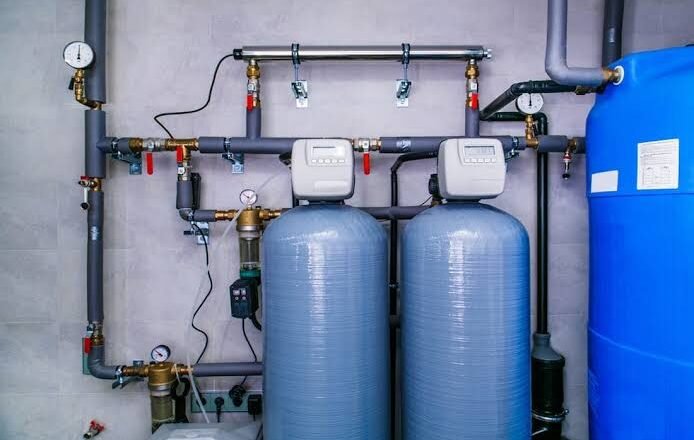
A softening system typically uses an ion-exchange process to replace hardness minerals with sodium or potassium ions. Some newer alternatives use different conditioning methods, though their effectiveness can vary depending on the water chemistry and the specific product.
If scale is the main issue, installing a standard drinking-water filter may not solve it. A dedicated softening or conditioning approach may be more appropriate. In some homes, a combination of whole-house treatment and a separate drinking-water filter provides the most useful result.
Consider Maintenance Before Making a Purchase
Every water treatment system requires some level of care. Filters need to be replaced, membranes need attention, tanks may require cleaning, and certain systems need salt or other treatment materials. Ignoring maintenance can reduce performance and may even create hygiene concerns.
When comparing systems, ask practical questions. How often must the filter be changed? Is the replacement cartridge readily available? Does the system require professional installation? What happens if water pressure drops? Is there a warranty, and does the manufacturer provide clear instructions?
It’s also worth considering household water usage. A small filter may work well for one person but struggle to keep up with a large family. Choosing a system with the right capacity can improve both convenience and reliability.
Make the Decision Based on Evidence
The best water treatment solution is not necessarily the most expensive or technologically complicated one. It is the system that matches the actual water problem, household needs, budget, and willingness to maintain it.
Start with testing. Review the results carefully. Look for products with credible performance certifications and transparent contaminant-reduction claims. Be cautious of vague promises that suggest one device can remove everything from water.
Clean water treatment is less about chasing the newest equipment and more about making a thoughtful, informed decision. With the right approach, homeowners can improve taste, reduce common water problems, protect plumbing, and feel more confident about the water used every day. A little research at the beginning can save considerable money—and a fair amount of frustration—later on.