Plumbing problems have a habit of showing up at the worst possible moment. A pipe starts leaking just before work, a toilet overflows when guests are arriving, or the water heater suddenly stops working on a chilly morning. These situations can turn an ordinary day upside down pretty quickly. Knowing how to respond, when to call a professional, and how to prevent future trouble can save homeowners time, money, and plenty of frustration.
Good plumbing is something most people take for granted until something goes wrong. With a little preparation and the right professional support, however, even an unexpected problem can become much easier to manage.
Why Plumbing Problems Should Never Be Ignored
A dripping faucet might seem harmless, and a slow drain may not feel urgent. Still, small plumbing issues sometimes point to a larger problem developing behind the scenes. A loose pipe connection can cause water damage inside a cabinet, while a partially blocked drain may eventually stop working altogether.
Water damage is particularly troublesome because it doesn’t always remain where the leak begins. Moisture can spread beneath flooring, soak into drywall, and create conditions that encourage mold growth. Repairs become more expensive when the damage continues unnoticed.
Pay attention to changes in water pressure, unusual sounds inside walls, persistent damp smells, and unexplained increases in your water bill. None of these signs automatically means a major repair is needed, but each deserves a closer look.
Acting early often means a simpler repair instead of an expensive emergency.
Recognizing a Plumbing Emergency
Not every plumbing issue requires an immediate call, but certain situations shouldn’t wait until the next business day. A burst pipe, sewage backup, major leak, or complete loss of water can affect your home’s safety and normal operation.
During plumbing emergencies, the first priority is to limit the damage without putting yourself at risk. If water is spreading across the floor, locate the main water shutoff valve if you can reach it safely. Turning off the supply may prevent additional water from entering the damaged pipe or fixture.
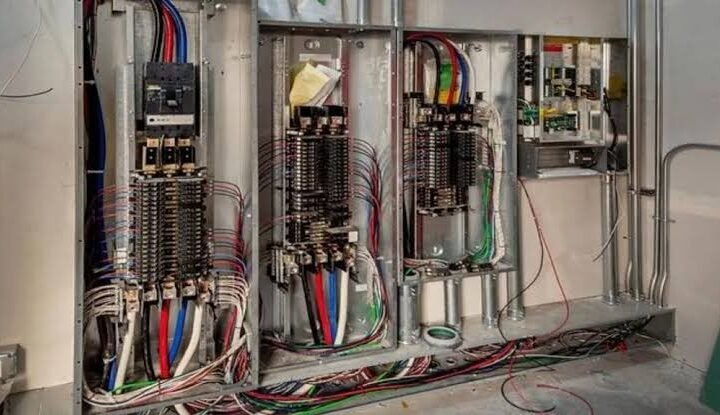
If water is near electrical outlets, appliances, or a breaker panel, don’t step into the affected area or touch electrical equipment. Keep everyone away and contact the appropriate emergency professionals when necessary.
A sewage backup requires extra caution because wastewater may contain harmful contaminants. Avoid direct contact, keep children and pets away, and don’t continue using plumbing fixtures that could make the backup worse.
It’s also worth knowing where your shutoff valves are before a problem happens. During a leak, searching through a dark utility room for the first time is the last thing anyone wants to do.
When Professional Help Makes the Difference
Some minor plumbing tasks are manageable for a confident homeowner. Clearing a simple sink clog with a plunger or replacing a showerhead, for example, may not require specialist assistance. More complicated repairs are another matter.
Hidden pipe leaks, damaged sewer lines, recurring blockages, and water heater failures often require proper tools and technical knowledge. An incorrect repair can create additional damage, even if the original problem appears to disappear.
For urgent situations, 24/7 emergency plumbing services can provide access to professional assistance outside ordinary business hours. This can be especially important when a leak threatens flooring, ceilings, belongings, or the home’s overall safety.
When contacting a plumber, explain what happened, when the problem started, and whether the water supply has been shut off. Mention any visible damage or unusual smells, too. Clear information helps the technician understand the situation and prepare for the visit.
Before work begins, ask about the expected repair, likely costs, and any additional work that may be necessary. A trustworthy professional should explain the situation in understandable language rather than leaving you guessing.
Common Plumbing Issues Around the Home
Plumbing systems handle a surprising amount of daily activity. Kitchens, bathrooms, laundry areas, and outdoor faucets all depend on pipes and fixtures working together.
Here are a few common problems worth watching:
Leaking faucets and fixtures: Worn washers, damaged seals, or faulty cartridges can allow water to drip continuously. Besides being irritating, the waste can add up over time.
Slow or blocked drains: Hair, grease, soap residue, food scraps, and foreign objects can restrict water flow. Avoid pouring cooking oil or grease down kitchen drains, since these materials can build up inside pipes.
Running toilets: A faulty flapper, fill valve, or other tank component may cause a toilet to keep refilling. The sound can be easy to ignore, but the extra water consumption isn’t always obvious.
Water heater trouble: Inconsistent temperatures, unusual noises, or visible leakage may indicate a maintenance issue or failing component. If the unit is leaking significantly or shows signs of electrical or gas trouble, seek professional help promptly.
Low water pressure: Mineral deposits, plumbing leaks, faulty fixtures, and supply problems can all affect pressure. If several fixtures experience the same change, the issue may extend beyond one faucet.
Understanding these warning signs helps homeowners decide when to investigate and when to bring in an experienced plumber.
Simple Habits That Help Prevent Bigger Repairs
Preventive maintenance doesn’t have to be complicated. In fact, a few small habits can make a meaningful difference over the years.
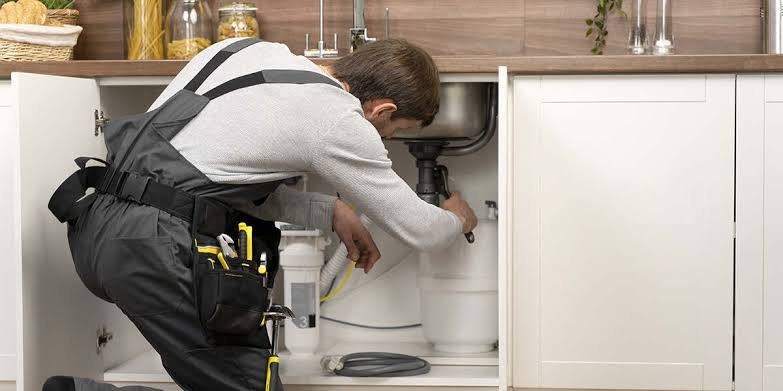
Check beneath sinks occasionally for moisture, corrosion, or damaged connections. Look around toilets and water heaters for unexplained puddles. If you notice a persistent musty smell, investigate rather than covering it with an air freshener.
Use drain strainers to catch hair and food particles, and dispose of grease in the trash once it has cooled. Avoid relying on harsh chemical drain cleaners as a routine solution, since some products can damage plumbing materials or create hazards when used incorrectly.
During cold weather, protect exposed pipes from freezing. Insulation, sensible indoor temperatures, and attention to vulnerable areas can reduce the chance of a burst pipe. If you’re leaving home for an extended period, consider what steps are appropriate for your plumbing system and local climate.
It’s also helpful to keep a record of repairs, installations, and maintenance visits. These details give a plumber useful background when diagnosing recurring issues.
Choosing a Plumber You Can Rely On
Finding a dependable plumber before you need one is a smart move. Start by checking relevant licensing requirements, insurance, customer feedback, and experience with the type of repair you need. Ask whether emergency visits carry additional charges and whether the company provides estimates before starting work.
Communication matters just as much as technical ability. A professional should arrive prepared, describe the problem clearly, and explain available repair options. Be cautious of anyone who pressures you into expensive work without explaining why it’s necessary.
Availability is important, but so is accountability. A reliable company should be willing to discuss its work, answer reasonable questions, and explain any warranty or follow-up arrangements that apply.
Keep the contact information somewhere accessible, rather than relying on a frantic online search after water has already started spreading across the floor.
Getting Plumbing Service Without Unnecessary Stress
Arranging a plumbing visit should be straightforward. Before contacting a provider, write down the symptoms, note when they began, and take photographs of visible damage if doing so is safe. These details can help clarify the problem and support a more productive conversation.
Many service providers allow homeowners to request an appointment online, making it easier to submit basic information and arrange a convenient visit. For a routine repair, an online booking form may be all you need. If water is pouring from a broken pipe or sewage is backing up into the home, call the provider directly if possible so the urgency is communicated immediately.
When scheduling service, confirm the appointment window, any diagnostic fee, and whether you need to prepare the work area. Moving stored items away from a leaking pipe or clearing access to a water heater can help the technician work more efficiently.
Protecting Your Home Starts With Preparation
Plumbing systems rarely attract much attention when everything works properly. Yet the moment something fails, they can affect nearly every part of daily life. A little maintenance, early attention to warning signs, and a clear plan for urgent repairs can prevent many problems from becoming major disruptions.
You don’t need to become a plumbing expert to protect your home. Learn where the main shutoff valve is, avoid habits that damage drains, and choose a qualified professional before trouble begins.
Most importantly, don’t ignore a problem simply because it seems small. Acting at the right time can protect your property, conserve water, and restore peace of mind. When a plumbing issue does arise, a calm response and dependable professional support can make all the difference.