There are some household problems that seem too small to worry about, yet somehow they never go away. A cloudy glass after washing. A faucet covered in mineral residue. A water heater that needs attention more often than expected. Laundry that doesn’t feel quite as fresh as it should.
Individually, these things are easy to dismiss. Together, they can become a pattern.
The water entering your home has a surprisingly large role in that pattern. Depending on its source, it may contain minerals, sediment, metals, disinfectants, or other substances that affect plumbing, appliances, cleaning, and even the way water tastes.
That doesn’t mean every home needs an elaborate treatment setup. Far from it. The sensible approach is to understand your water, identify the problems that actually matter, and then choose treatment based on those findings.
Your Water Touches Almost Everything
It’s easy to think of water treatment as something that belongs under the kitchen sink. But household water travels through nearly every part of your property.
It fills the washing machine, passes through the dishwasher, heats inside the water heater, and runs through showerheads and faucets. Over time, the characteristics of that water can influence the surfaces and equipment it touches.
Hard water is a good example. Calcium and magnesium may not look particularly threatening in a glass, but repeated exposure can leave deposits throughout a home’s plumbing and appliances.
Once you see water this way, treatment becomes less about a single faucet and more about the entire household system.
Mineral Deposits Can Become an Appliance Problem
A little white residue around a faucet doesn’t seem serious. Inside an appliance, however, repeated mineral accumulation can be more troublesome.
Water heaters, coffee makers, dishwashers, and other equipment can develop deposits when exposed to hard water. Heated water can encourage dissolved minerals to precipitate and attach themselves to internal surfaces.
Over time, those deposits may affect performance and increase maintenance needs.
This is one reason homeowners often look for ways to protect appliances from unnecessary mineral-related wear. Reducing hardness can help limit the amount of scale-forming material moving through the plumbing.
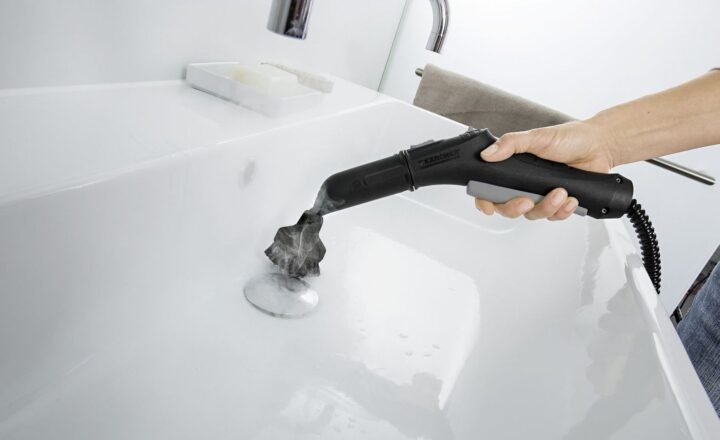
Of course, treatment isn’t a substitute for cleaning and maintenance. Appliances still need attention. But starting with better water can make that maintenance less demanding.
Softer Water Can Change Everyday Cleaning
The effects of mineral-rich water are not limited to equipment.
Soap and detergent can behave differently in hard water because calcium and magnesium interfere with their performance. You may find that shampoo doesn’t lather as easily or that soap leaves a film behind.
Laundry can be affected too. Towels may feel rougher, glassware can develop spots, and surfaces may need more frequent cleaning.
For some households, softer water can make these everyday tasks feel noticeably easier. It’s not a magical transformation, but small improvements tend to add up when you experience them every day.
Start by Finding Out What’s Actually in the Water
Before buying treatment equipment, test the water.
That sounds obvious, but many homeowners skip it because they can already see the problem. The trouble is that appearance only tells part of the story.
Water may look completely clear while containing elevated levels of dissolved minerals or other substances. An unusual taste or odor can also have multiple possible causes.
Testing can provide useful information about hardness, pH, iron, sulfur-related compounds, disinfectants, bacteria, and other characteristics, depending on the type of analysis performed.
The results give you something much more useful than a sales pitch: a basis for deciding what treatment, if any, is appropriate.
Water Quality Is More Than Taste
People often judge their water by one question: “Does it taste okay?”
Taste matters, certainly. Nobody wants to drink water that tastes metallic or smells strange. But water quality involves much more than flavor.
It can include the mineral content, chemical characteristics, microbial condition, physical appearance, and other measurable properties of the water.
Different homes can have very different water profiles. A municipal supply may have concerns related to disinfectant taste, while a private well may have hardness, iron, sulfur, or sediment issues.
That’s why copying a neighbor’s treatment setup isn’t always a smart shortcut.
Whole-Home or Point-of-Use?
Once you know what you’re dealing with, the next question is where treatment should happen.
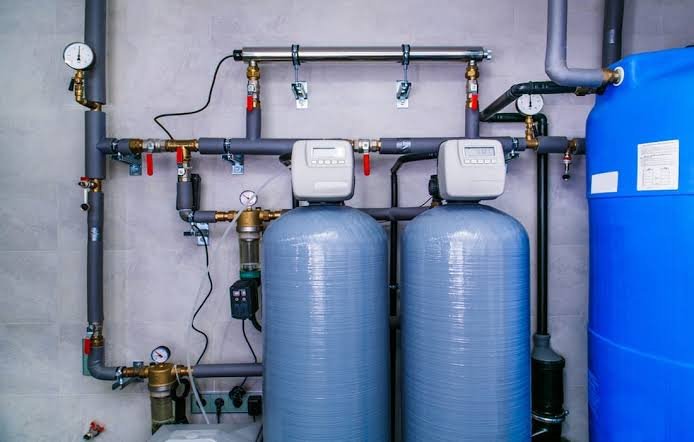
If the problem affects every faucet, shower, and appliance, whole-home treatment may be worth considering. Treating water as it enters the property can address conditions throughout the plumbing system.
But if your main concern is drinking and cooking water, a point-of-use system may be more practical.
Neither approach is automatically better. It depends on the problem, your household’s water usage, and what you’re trying to accomplish.
There’s little reason to treat every gallon of water in the house if your only concern is the taste of the water you drink.
Different Problems Call for Different Equipment
This is where water treatment can become confusing.
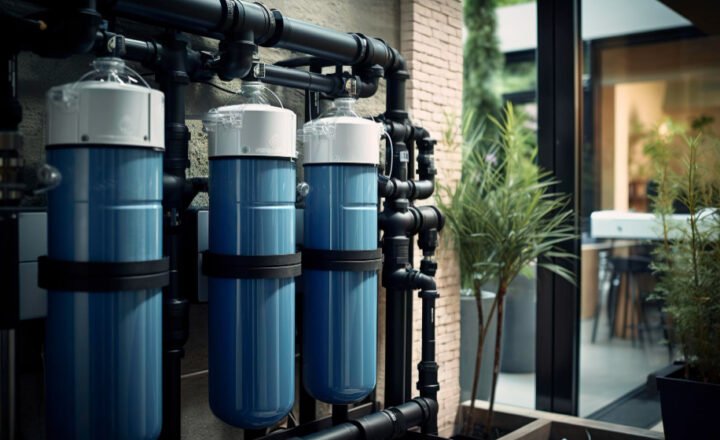
Water softeners are designed mainly for hardness. Sediment filters target suspended particles. Activated carbon can reduce certain tastes, odors, and chemicals. Reverse osmosis systems use membrane technology to reduce many dissolved substances from treated water.
Each technology has a job.
A system should therefore be selected according to test results and treatment goals, rather than simply choosing the product with the longest list of features.
More equipment doesn’t necessarily mean better water. Sometimes it just means more maintenance.
Don’t Forget the Water Heater
The water heater deserves special attention because it combines water and heat, two conditions that can encourage mineral deposits.
If hard water is entering the heater day after day, minerals may accumulate inside the tank or around heating components. This can contribute to maintenance issues and may affect efficiency over time.
Regular flushing and manufacturer-recommended maintenance remain important. If hardness is significant, however, reducing the minerals entering the system can be another sensible part of the overall strategy.
A water heater isn’t cheap to replace. Taking reasonable steps to reduce avoidable stress makes sense.
Maintenance Keeps the Benefits Going
Treatment equipment itself needs care.
Filters need replacement. Softener settings may need adjustment. Reverse osmosis membranes eventually require servicing. Storage tanks and other components may also need periodic inspection or sanitation.
It’s easy to forget these jobs because treatment systems usually sit quietly in the background.
A simple calendar reminder can help. Keep track of filter changes and service dates, and pay attention if water pressure, taste, odor, or appearance suddenly changes.
A well-maintained system is much more likely to keep performing as intended.
Don’t Treat Every Water Problem the Same
One of the biggest mistakes homeowners can make is assuming that one treatment method solves every water issue.
It doesn’t.
A softener won’t necessarily remove sediment. A sediment filter isn’t designed to solve hardness. Carbon filtration has different capabilities from membrane treatment.
The right setup may involve one technology or several stages, depending on the water.
The goal isn’t to build the most complicated system possible. It’s to build a system that makes sense for your home.
Better Water Is a Long-Term Choice
Good water quality isn’t just about having a better glass of drinking water, although that’s certainly part of it.
It’s also about making household maintenance more manageable, reducing unnecessary mineral deposits, supporting appliance care, and creating water that works better for the way your family uses it.
Start with testing. Understand the results. Think about where the problem occurs and how serious it really is. Then choose treatment that addresses the actual cause.
You may not need a major upgrade. You may only need one well-chosen change.
And that’s often the best kind of home improvement — the one you notice every day, without having to think about it.