Water is one of those things you notice most when something feels wrong. A glass may have an unusual taste, the shower might leave your skin feeling dry, or orange marks may keep appearing around the sink. Sometimes the issue is minor. Other times, it points to a water-quality concern that deserves a closer look.
The tricky part is knowing what solution actually fits the problem. A filter that improves taste may not reduce hardness, and a softener designed for mineral-heavy water isn’t meant to remove every contaminant. Before investing in equipment, it helps to understand what your water contains and how different treatment systems work.
Start by Understanding Your Water
Water quality can vary based on the source, local geology, plumbing, and treatment methods used before water reaches your home. Municipal water is generally treated and monitored, while private well water depends more heavily on local groundwater conditions and regular testing.
Even within the same area, households can experience different issues. One home may have hard water that creates scale on faucets, while another may notice sediment, chlorine taste, or a sulfur-like odor. These differences are why guessing based on a neighbor’s setup isn’t always the best approach.
A practical first step is water testing & analysis. Testing can help identify factors such as hardness, pH, iron, manganese, bacteria, and other substances relevant to your water source. The exact tests needed depend on whether you use municipal water or a private well. A reliable report gives you something much more useful than a vague assumption that your water is simply “bad.”
Why Water Testing Makes Treatment Decisions Easier
Buying a water-treatment system without testing can lead to unnecessary expense. For example, a household may install a basic sediment filter when the real concern is dissolved iron. Another may purchase a softener expecting it to improve every aspect of drinking-water quality.
Testing helps separate these issues. Hardness is usually measured through calcium and magnesium levels. Iron and manganese can contribute to staining, while pH affects how water interacts with plumbing and treatment equipment. If a private well is involved, microbiological testing may also be important, especially after flooding, repairs, or changes in taste and odor.
Testing isn’t about creating fear. It’s about getting a clearer picture. Once the results are available, homeowners can discuss treatment options with a professional and avoid relying on marketing claims alone.
What a Whole-House Water Filter Actually Does
A filtration system is designed to reduce specific substances as water passes through a filter medium. Depending on the technology, filtration may target sediment, chlorine, certain chemicals, or other contaminants. The key word here is “specific.” No single filter removes everything.
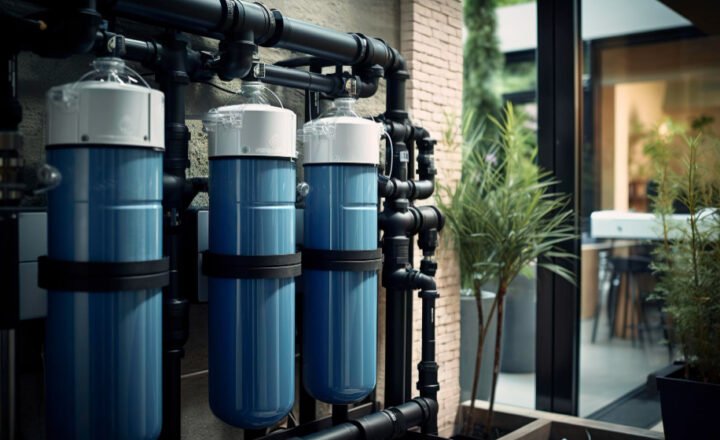
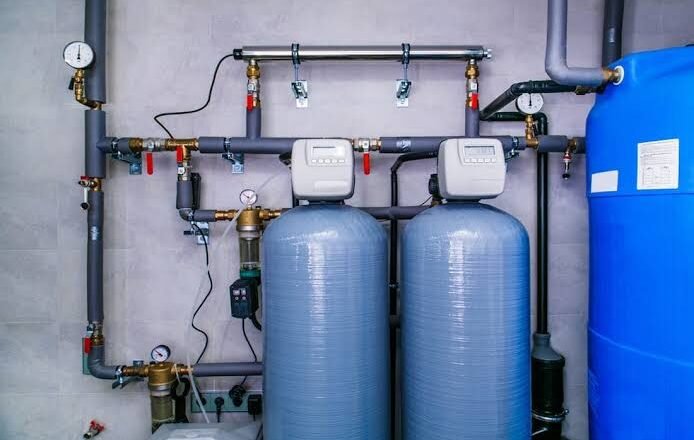
A whole house water filter is installed at a point where water enters the home, allowing treated water to reach multiple fixtures. This can be useful when the concern affects showers, laundry, kitchen faucets, and appliances rather than just one drinking-water tap.
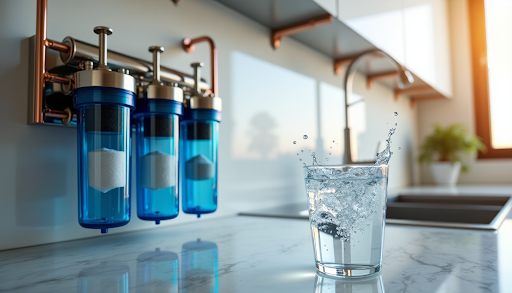
Different systems use different filter media. Sediment filters capture particles such as sand and silt. Activated carbon can help improve taste and odor and reduce certain chemicals, including chlorine. More advanced systems may use specialized media for particular contaminants. Choosing the right option depends on the water report, household size, flow rate, and maintenance requirements.
Understanding Hard Water and Mineral Scale
Hard water is common in many regions and is generally caused by dissolved calcium and magnesium. While hardness isn’t usually considered a health hazard at typical household levels, it can create frustrating problems around the home.
You may notice white scale on showerheads, cloudy spots on glassware, or soap that doesn’t lather easily. Over time, mineral buildup can affect water heaters, fixtures, and appliances. People often describe their skin as feeling dry after bathing, although that experience can vary from person to person.
A water softener works differently from a standard filter. Most conventional softeners use ion exchange to reduce calcium and magnesium, replacing them with sodium or potassium ions. This helps prevent scale and makes soap work more effectively. It doesn’t function as a universal purifier, though, and it should be selected based on actual hardness levels and household water use.
Choosing Between Filtration and Softening
The choice isn’t always filtration versus softening. In many homes, the two systems address different concerns and may be used together.
If the main problem is hard water and scale, a softener may be the more relevant solution. If the concern involves chlorine taste, sediment, or a particular contaminant, filtration may be more appropriate. Some homes need a combination, especially when water has both hardness and other quality issues.
It’s also worth considering the maintenance involved. Filters need replacement at appropriate intervals, while softeners require salt or another regeneration method, depending on the system. Water usage, installation space, drainage access, and operating costs all matter. A system that looks affordable initially may become inconvenient if its upkeep doesn’t fit your routine.
Don’t Ignore Changes in Taste, Smell, or Appearance
Sudden changes in water quality deserve attention, particularly when they affect every faucet in the home. Cloudiness may sometimes be caused by harmless air bubbles, but persistent discoloration or unusual odors should be investigated. Private well owners should be especially attentive after heavy rainfall, flooding, or nearby construction.
If water has a fuel-like, chemical, or sewage-related odor, avoid assuming that a household filter will solve it. Contact the appropriate water provider or a qualified professional for guidance. Some concerns require testing beyond what common residential treatment equipment can address.
A Smarter Approach to Better Water
Good water treatment starts with understanding, not guessing. Testing helps identify what is actually present, while filtration and softening systems address different categories of water concerns. The goal isn’t necessarily to install the most complicated equipment available. It’s to choose a solution that improves water quality in a meaningful, measurable way.
For homeowners, that may mean starting with a basic water analysis, comparing treatment options, and planning for long-term maintenance. Clean, comfortable water is less about buying a trendy system and more about making an informed decision that suits the home, the water source, and the people who use it every day.