When the temperature drops, most people aren’t thinking about furnaces, ductwork, or energy ratings. They just want the house to feel warm. Yet the system responsible for that simple comfort can make a surprisingly big difference to monthly energy bills, indoor air quality, and even how peaceful a home feels during winter.
A heating system that works well should be almost unnoticeable. Rooms stay comfortable, the thermostat doesn’t seem to be fighting a losing battle, and the equipment isn’t making strange noises every time it starts. Getting there, however, takes a little planning. Whether you’re building a new home, replacing an aging unit, or considering a more efficient approach, the right decision starts with understanding what your property actually needs.
Start With the Home, Not Just the Equipment
It’s tempting to begin by comparing brands and model numbers. That’s not necessarily the best place to start.
A heating system needs to match the size, layout, insulation, windows, and airflow characteristics of the property. A unit that’s too small may run constantly without keeping rooms comfortable. One that’s too large can cycle on and off too frequently, wasting energy and creating uneven temperatures.
Professional assessment matters here. An experienced technician can look at the home’s heating load and identify issues that aren’t obvious to a homeowner. Sometimes improving insulation or correcting airflow can make an existing system perform much better.
The goal isn’t simply to buy a powerful machine. It’s to create a heating setup that delivers steady comfort without unnecessary energy use.
When New Installation Makes Sense
For a newly constructed property, heating installation is an opportunity to get things right from the beginning. Equipment selection, duct design, thermostat placement, ventilation, and zoning can all be considered together rather than patched together later.
This is especially important in larger homes where different rooms have very different heating needs. A well-designed system can distribute warmth more evenly and reduce the frustrating experience of one room being chilly while another feels stuffy.
Installation quality also matters just as much as equipment quality. Even an excellent heating unit can underperform when it’s improperly sized, poorly connected, or installed with inadequate airflow. Small mistakes during installation may become expensive headaches down the road.
So, don’t judge a heating contractor only by the equipment they recommend. Ask how they’ll approach the whole system.
Knowing When It’s Time to Replace an Aging System
Heating equipment doesn’t last forever. Over time, components wear out, efficiency declines, and repairs become more frequent. There isn’t always one dramatic moment when a homeowner knows it’s time to move on. Sometimes it’s a collection of smaller warning signs.
Rising energy bills are one clue. Uneven heating is another. Strange banging, rattling, squealing, or repeated thermostat adjustments shouldn’t be ignored either.
If you’re spending more money keeping an old system alive than you expected, heating replacement may eventually make more financial sense than another repair. That doesn’t mean every older unit needs to be removed immediately. A professional evaluation can help compare repair costs, expected remaining life, efficiency, and replacement options.
It’s really a numbers-and-comfort decision, not simply an age decision.
Don’t Overlook Heat Pumps
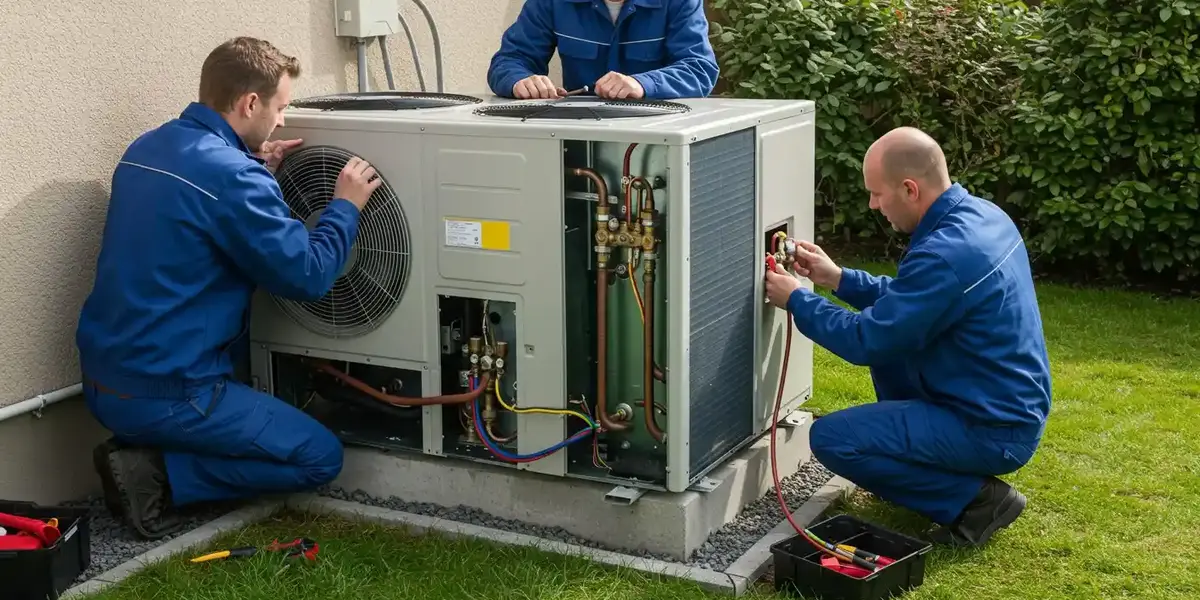
For homeowners exploring alternatives to conventional heating equipment, heat pumps deserve serious consideration. Unlike systems that generate heat by burning fuel, a heat pump moves heat from one place to another. Depending on the type and configuration, it can provide both heating and cooling throughout the year.
Modern heat pumps have also become increasingly capable in colder conditions. Still, suitability depends on climate, home design, insulation, equipment selection, and installation quality.
Another advantage is versatility. Instead of maintaining completely separate heating and cooling approaches, some homeowners can use one system for both jobs. That can simplify maintenance and potentially reduce equipment requirements.
Of course, there isn’t a universal winner. A heat pump may be an excellent fit for one property and less practical for another. That’s why a proper assessment is more useful than simply following whatever heating trend happens to be popular.
Efficiency Is About More Than the Rating
Energy-efficiency ratings are useful, but they don’t tell the entire story.
A highly efficient system installed in a poorly insulated home may still struggle. Likewise, equipment can lose performance when filters are neglected, ductwork leaks, or airflow is restricted.
Think of the heating system as part of a larger chain. The equipment produces or moves heat, the ductwork carries it, and the building envelope determines how much stays inside. If one link is weak, the entire setup suffers.
Simple improvements can sometimes make a noticeable difference. Sealing obvious drafts, replacing dirty filters, improving insulation, and keeping vents unobstructed are relatively straightforward steps. They won’t solve every heating problem, but they’re sensible places to begin.
Comfort Should Be Measured Room by Room
A thermostat can say the home is 70 degrees while someone sitting in a bedroom is still reaching for a blanket. That’s because comfort isn’t always evenly distributed.
Airflow, sunlight, insulation, room size, ceiling height, and duct placement all affect how a space feels. In some homes, zoning or better-balanced airflow can address these differences more effectively than simply turning up the thermostat.
This is one reason homeowners should describe comfort problems in detail when speaking with a heating professional. Saying “the house feels cold” is useful, but explaining that the upstairs bedroom stays cold while the living room gets too warm gives the technician something much more specific to investigate.
Maintenance Is Part of the Investment
Heating equipment needs attention even when everything seems fine.
Regular maintenance can help identify worn components, restricted airflow, electrical problems, dirty parts, and other issues before they become major failures. It also gives technicians a chance to check whether the system is operating as intended.
Homeowners can handle a few basic tasks themselves, particularly keeping filters clean and making sure vents aren’t blocked by furniture. More technical inspections should be left to qualified professionals.
A little attention now can be considerably less stressful than discovering a heating problem on the coldest night of the year. Somehow, those failures always seem to happen at the worst possible time.
Choosing a Contractor You Can Trust
The contractor matters enormously. Look for someone who asks questions instead of immediately pushing a particular model.
A good professional should be willing to explain why a system is appropriate for your home, what installation involves, what maintenance will be required, and what you can reasonably expect regarding operating costs. Clear pricing and written recommendations are also valuable.
Don’t hesitate to ask about warranties, licensing, experience, and ongoing service. The cheapest quote isn’t necessarily the cheapest option over ten or fifteen years.
A Warmer Home Starts With a Smarter Decision
Heating isn’t just about getting through winter. It’s about creating a home that feels comfortable without constantly demanding attention.
Whether you’re installing a system in a new property, replacing equipment that’s nearing the end of its useful life, or investigating newer technology, take time to understand the actual needs of your home. Consider efficiency, reliability, installation quality, maintenance, and long-term operating costs together.
The best heating choice is rarely the flashiest one. It’s the system that quietly does its job, keeps rooms comfortable, uses energy sensibly, and gives you one less thing to worry about when the weather turns cold. That’s a worthwhile investment—not just in equipment, but in everyday life.