Water is one of those household essentials that tends to disappear into the background. You turn on the faucet, fill the kettle, take a shower, wash the dishes, and move on. It’s only when something changes that you start paying attention.
Maybe there’s a chalky ring around the faucet. Perhaps the shower glass seems impossible to keep clean. The water might taste a little different, or your clothes don’t feel quite as soft after laundry day. Small signs like these can point toward water-quality or plumbing issues that deserve a closer look.
The good news is that homeowners have more treatment options than ever. The less-good news? With so many choices, it’s easy to buy equipment that solves the wrong problem. A little knowledge goes a long way.
Begin With a Water Test
Before deciding what equipment to install, find out what is actually in your water. Municipal water supplies are treated, but that doesn’t mean every home receives water with identical characteristics. Private wells can vary even more because groundwater chemistry is influenced by local geology.
A water test can provide information about hardness, pH, minerals, sediment and other potential concerns. More specialized tests may be appropriate when there is a known issue with a particular contaminant.
Testing also helps separate genuine water-quality concerns from problems caused by household plumbing. If only one faucet has an unusual taste or odor, for example, the source could be localized.
It’s tempting to skip this step and simply search for “the best filter,” but water treatment isn’t really a one-size-fits-all purchase.
When Whole-House Filtration Is Useful
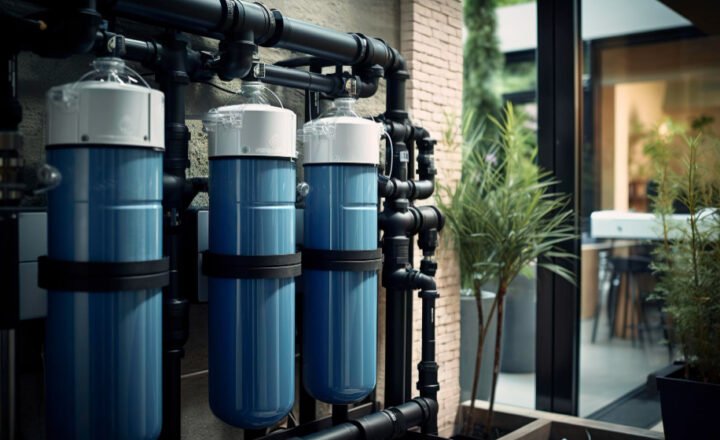
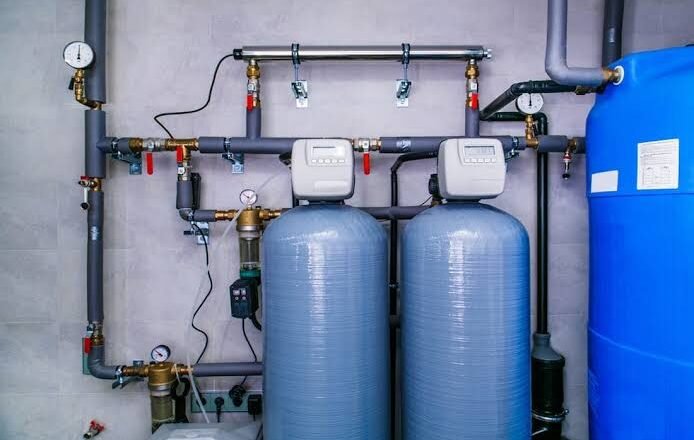
If you want to address water quality throughout the property, whole house water filtration can be an appealing option. These systems are generally installed at the point where water enters the home, allowing treated water to reach several fixtures.
Depending on the design, a whole-house system may reduce sediment, chlorine, unpleasant tastes, odors or other targeted substances. The exact performance depends on the filter media and the contaminants it has been designed and tested to handle.
This kind of setup can be especially useful when the concern isn’t limited to drinking water. If you want improved water for showers, laundry, cooking and general household use, treating water at the entry point can be more convenient than installing individual filters at every faucet.
Still, it’s important to check the specifications. A whole-house filter isn’t automatically designed to remove every possible contaminant.
Hard Water Calls for a Different Solution
Hard water is one of the most common complaints homeowners have. It comes primarily from dissolved calcium and magnesium, which can leave mineral scale behind as water evaporates.
The signs are familiar: white deposits on fixtures, cloudy shower doors, reduced soap lather and mineral buildup inside water-using appliances. Over time, those deposits can become a genuine maintenance nuisance.
This is where water softeners can make a difference. Rather than simply filtering particles out of the water, a conventional softener uses ion exchange to reduce hardness minerals.
That distinction is worth understanding. A softener isn’t a universal purification system, and a standard filter isn’t necessarily a substitute for softening. If hardness is the problem, treating hardness directly is usually the sensible approach.
Drinking Water May Need Extra Treatment
Whole-house treatment isn’t always necessary for every water concern. Some homeowners prefer to focus advanced treatment on water used for drinking and cooking.
This can make sense when the primary concern involves dissolved substances, taste or other characteristics that matter most at the kitchen tap. A dedicated drinking-water system can provide targeted treatment without requiring every gallon used for bathing or cleaning to undergo the same process.
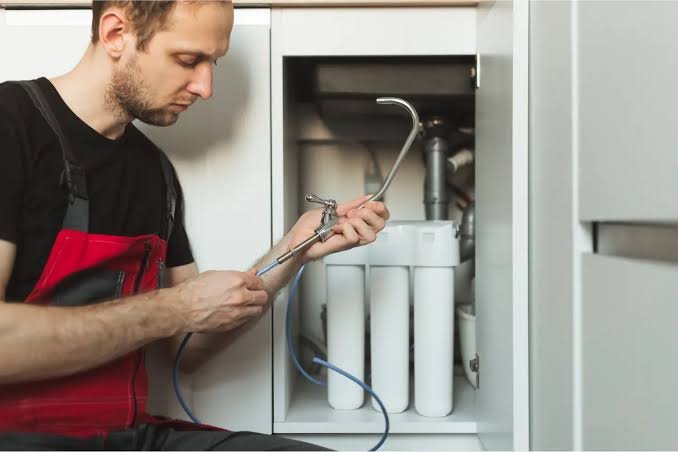
Reverse osmosis is one technology often used for this purpose. These systems push water through a semipermeable membrane to reduce many dissolved substances.
reverse osmosis systems can provide a high level of treatment, but they aren’t maintenance-free. Filters and membranes need periodic replacement, and the system may produce wastewater depending on its design. Installation space and water pressure should also be considered.
In other words, advanced doesn’t necessarily mean effortless.
Don’t Forget About Sediment
Sediment can come from several sources, including private wells, aging infrastructure or disturbances in the water supply. Fine particles may not seem like a major problem, but they can collect in faucet aerators, appliances and treatment equipment.
A properly sized sediment filter can capture suspended particles before they move farther into the plumbing system.
This can also protect other treatment stages. If water contains a significant amount of sediment, pre-filtration may help downstream equipment perform more effectively and reduce premature filter loading.
If you’re repeatedly cleaning debris from a faucet screen, don’t just accept it as normal. It’s worth finding out where those particles are coming from.
Consider Water Pressure and Flow
Treatment equipment has to work with your home’s plumbing, not against it.
Every filter creates some degree of resistance to water flow. A system that’s too small for your household may restrict flow, particularly during periods of high demand. Nobody wants to discover this halfway through a shower.
Before installation, consider the number of people in the household, the number of bathrooms, typical peak water usage and the pressure available at the property.
This is especially important for larger homes. Two showers, a washing machine and a dishwasher running at the same time can create a very different demand profile from a small apartment occupied by one person.
Sizing matters more than fancy packaging.
Maintenance Should Be Part of the Decision
A water treatment system isn’t finished once the installer packs up and leaves.
Filters eventually need replacement. Softener components require maintenance. Reverse osmosis membranes have service intervals. Housings, valves and connections may need inspection.
The easiest way to stay on top of it is to keep a simple record. Note the installation date, replacement dates and any changes in water taste, pressure or appearance.
Don’t wait until a filter is completely exhausted before replacing it. Maintenance schedules are there for a reason, and following them can help the equipment perform consistently.
Watch the Long-Term Cost
The purchase price is only one part of the cost of owning a treatment system.
Replacement filters, salt, membranes, servicing and water consumption can all contribute to the total expense. A system that seems inexpensive at installation may cost more over several years if its consumables are expensive or difficult to replace.
Ask about those costs before making a decision. It’s much easier to budget for routine maintenance than to be surprised by it later.
And don’t be afraid to ask whether you actually need every proposed component. A good water professional should be able to explain what each stage does and why it has been recommended.
Don’t Buy Technology Just Because It’s There
The best water treatment setup isn’t necessarily the most complicated one.
If your main issue is hardness, focus on hardness. If sediment is the concern, start with appropriate filtration. If drinking water needs more advanced treatment, a point-of-use solution may be enough.
The goal is to create a system that fits your water, your household and your willingness to maintain it.
That’s why testing and professional evaluation can be so useful. They take some of the guesswork out of what can otherwise feel like a very technical decision.
Good Water Treatment Should Feel Almost Invisible
At its best, water treatment doesn’t demand much attention. You simply turn on the faucet and get water that tastes better, feels better and behaves the way you expect.
Getting there starts with understanding the problem rather than chasing the newest piece of equipment.
Test the water. Look at your household’s actual needs. Compare treatment technologies carefully. Consider installation, flow rate, maintenance and long-term operating costs.
Then choose the solution that makes sense.
It might be a relatively simple filter. It might involve softening and filtration together. Or it could require a more advanced drinking-water system.
There isn’t one perfect answer for every home. And that’s okay.
The real goal is much simpler: reliable water treatment that quietly does its job, protects the things you care about and makes everyday life just a little easier.