Water is one of those things most people don’t think about until something seems off. Maybe there’s a strange taste in the morning coffee, white buildup around the faucet, dry skin after a shower, or spots left behind on freshly washed dishes. None of these problems necessarily means your water is unsafe, but they can be signs that your home’s water quality deserves a closer look.
The good news is that improving household water doesn’t have to become a complicated project. With the right information, homeowners can understand what’s actually happening, identify the source of the problem, and choose a treatment approach that fits their needs rather than buying a system simply because it sounds impressive.
Start by Understanding Your Water
Every home has a slightly different water story. Municipal water and private well water can have very different characteristics, and even two homes in the same neighborhood may experience different issues because of plumbing, fixtures, or changes in the local supply.
That’s why guessing isn’t particularly helpful. If you’re noticing hardness, unusual odors, staining, or changes in taste, testing the water is a sensible first step. A proper test can provide useful information about hardness, pH, dissolved minerals, chlorine, and other characteristics that may affect how your water looks, feels, and tastes.
A free water test can also make the process less intimidating for homeowners who aren’t sure where to begin. Instead of trying to diagnose everything yourself, you get a clearer picture of what’s actually in the water and what may need attention.
Hard Water Is More Than a Cosmetic Nuisance
One of the most common household water concerns is hardness. Hard water contains higher levels of minerals, particularly calcium and magnesium. These minerals aren’t necessarily harmful in ordinary household water, but they can be frustrating over time.
Think about that cloudy film on a shower door or the chalky residue around a kitchen faucet. That’s often mineral buildup. Hard water can also make soap and shampoo feel less effective, meaning you may use more of them than you normally would.
Inside the home, the story can become even more noticeable. Mineral scale may collect in water heaters, pipes, showerheads, and appliances that regularly use water. Over time, buildup can affect efficiency and increase the amount of cleaning and maintenance required.
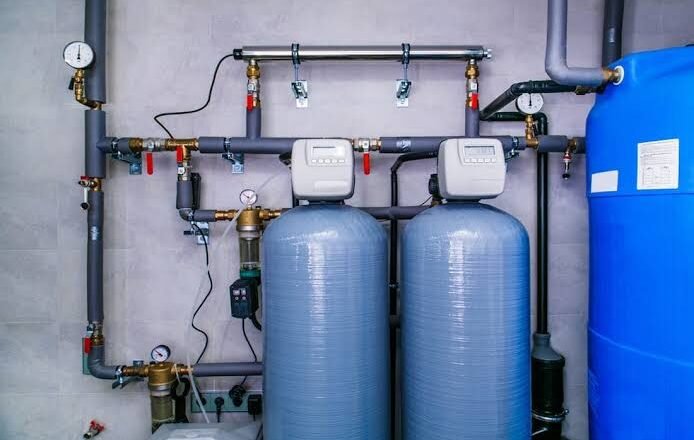
This is where a water softener can make a practical difference. Rather than trying to remove every substance from the water, a softener is designed primarily to address hardness minerals.
Don’t Assume One System Solves Everything
It’s tempting to look for one machine that promises to fix every water problem. Realistically, water treatment doesn’t always work that way.
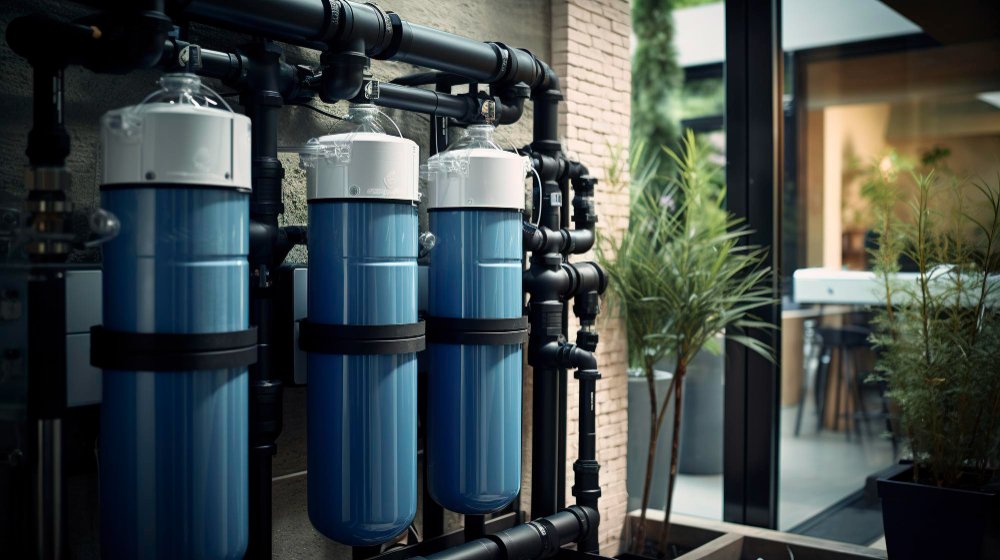
Different systems are designed for different purposes. A softener addresses hardness. Activated carbon filtration can help reduce certain tastes, odors, and chemical contaminants. Reverse osmosis is commonly used when homeowners want more extensive reduction of dissolved substances in drinking water.
The right combination depends on the test results and what you actually want to improve. Someone mainly dealing with scale may have very different needs from a homeowner concerned about drinking-water taste.
That’s also why professional guidance can be useful. A reputable provider should explain what a system does, what it doesn’t do, and why it makes sense for your particular water conditions.
Maintenance Deserves More Attention
Even a good treatment system needs care. Filters eventually become exhausted, softeners may require salt or other routine servicing, and components can wear out with regular use.
It’s easy to forget about these things because treatment equipment often sits quietly in a basement, garage, utility room, or under a kitchen sink. Out of sight, out of mind — until performance drops.
Regular maintenance helps keep equipment working as intended. It can also catch small problems before they become expensive ones. For example, a neglected filter may reduce water flow, while an improperly maintained softener may stop performing efficiently.
A simple maintenance calendar can help. Write down filter-change dates, service appointments, and any unusual changes you notice. It takes only a few minutes, but it can save a lot of frustration later.
Look Beyond the Equipment
Buying a treatment unit is only one part of the process. Installation matters, too.
A system that is poorly sized or incorrectly installed may not deliver the results you expect. Water pressure, household usage, plumbing configuration, drain requirements, and available space can all affect installation.
This is why it’s useful to consider the complete range of water treatment systems and services rather than focusing only on the equipment itself. Good service should include an assessment of your needs, appropriate installation, clear operating instructions, and ongoing support when required.
In other words, you’re not really buying a box. You’re investing in a solution that needs to work with the rest of your home.
A Small Checkup Can Prevent Bigger Headaches
There’s another simple step homeowners sometimes overlook: checking an existing softener or treatment system before replacing it.
If the equipment is relatively new but performance has changed, the problem might be something straightforward, such as incorrect settings, depleted media, a clogged filter, or a maintenance issue. Replacing the entire system without checking first can mean spending money unnecessarily.
A free softener check up may help identify whether the current unit is operating properly and whether adjustments or servicing could solve the problem. It’s a practical approach, especially for homeowners who inherited a system when they purchased their house and have little information about its history.
Think About How Your Household Actually Uses Water
Your water treatment needs should fit your lifestyle.
A small household with modest water consumption may not need the same capacity as a large family. If several people shower back-to-back, run laundry frequently, and use multiple bathrooms throughout the day, system capacity becomes more important.
Drinking-water preferences matter, too. Some people are mainly interested in improving taste. Others want a dedicated filtration system at the kitchen sink. Some homeowners want treatment throughout the entire house because hard water is affecting showers, laundry, appliances, and plumbing.
There’s no universal setup that makes sense for everyone. The best choice is usually the one that addresses the problems you actually experience without adding unnecessary complexity.
Better Water Is About More Than Convenience
Good water treatment can make everyday life a little easier. Softer water may mean less scale around fixtures. Better filtration can improve the taste of drinking water. Properly maintained equipment can help reduce avoidable plumbing and appliance problems.
But perhaps the biggest benefit is simply knowing what’s happening with the water in your home.
Instead of reacting to stains, odors, buildup, or strange tastes one problem at a time, testing and professional evaluation give you a more complete picture. From there, decisions become much easier.
Water quality doesn’t need to be mysterious, and improving it doesn’t have to involve buying the biggest or most complicated system available. Start with the basics, understand your water, consider how your household uses it, and choose treatment based on evidence rather than guesswork.
That approach tends to make sense in the long run — for your home, your budget, and the water you rely on every single day.