Buying a water treatment system often feels like the finish line. The equipment is installed, the pipes are connected, everything looks tidy, and you can finally stop thinking about hard water, strange tastes, sediment or whatever prompted the purchase in the first place.
Except it isn’t really the finish line.
Like an air conditioner, water heater or car, treatment equipment works best when it receives a little attention along the way. Not constant attention. Nobody wants another full-time chore. But small, sensible steps can help preserve performance and catch problems before they become expensive.
The interesting thing is that water treatment problems don’t always announce themselves loudly. Sometimes the first clue is simply that the water doesn’t seem quite as good as it used to.
Don’t Wait for Something to Break
The easiest way to care for treatment equipment is also the least dramatic: pay attention to it before there’s a failure.
Look for changes in water taste, odor, pressure or appearance. Notice whether scale is returning faster than usual. If you’ve been using a filtration system for years and suddenly see sediment in a glass, that’s worth investigating.
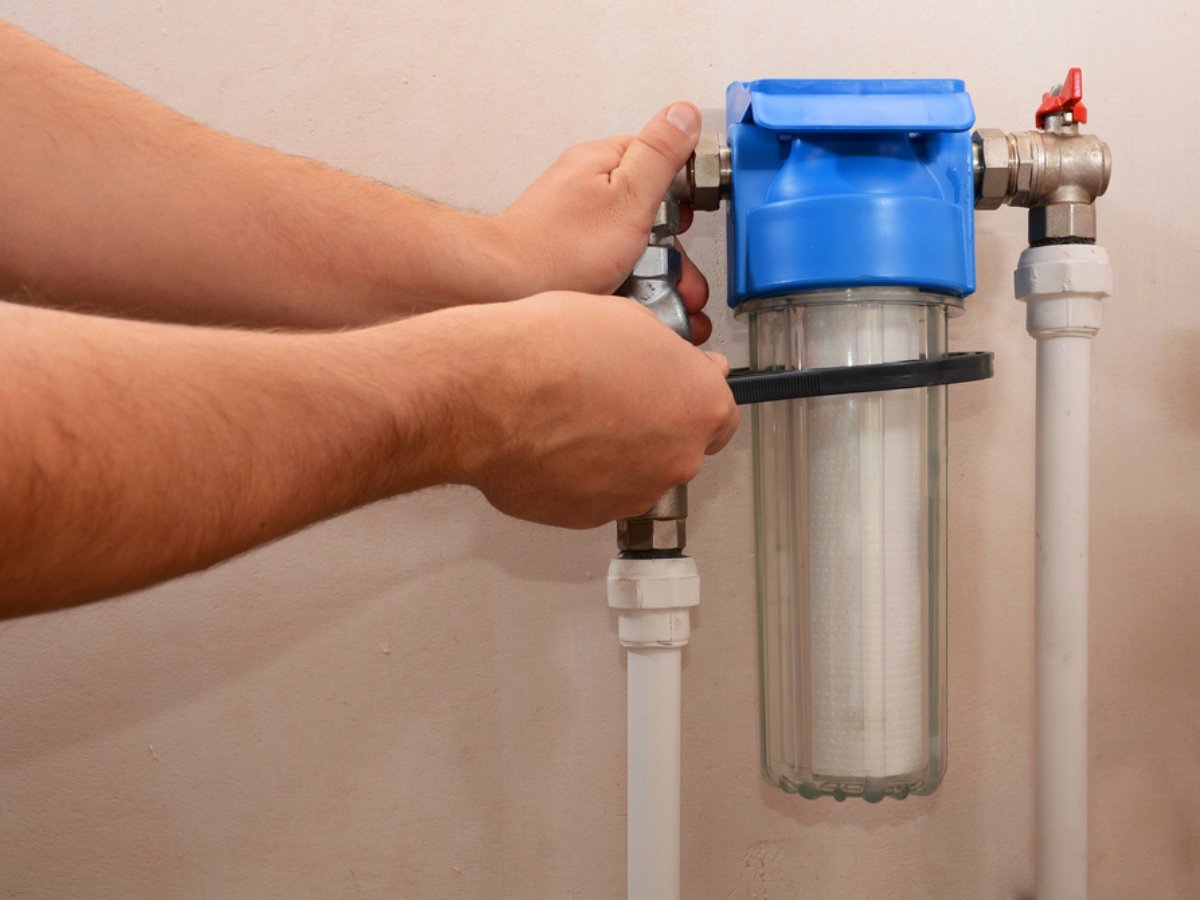
Routine system maintenance gives you an opportunity to catch these changes early. Depending on the type of equipment, maintenance might include inspecting connections, checking valves, cleaning components, replacing media or reviewing system settings.
It doesn’t have to become an obsession. A quick check at reasonable intervals is often far better than ignoring the system until something stops working.
Filters Don’t Last Forever
Filters are designed to capture or reduce specific substances, which means they eventually have a limit.
A sediment filter can collect particles. Carbon media can become less effective as it is used. Reverse osmosis membranes have their own service requirements. The exact lifespan depends on water quality, household usage and the particular equipment.
That’s why filter changes should be treated as part of normal ownership rather than an optional extra.
If replacement is overdue, water quality may gradually decline without an obvious warning. Sometimes the water still looks perfectly clear, which makes the problem easy to miss.
Keep a simple record of when filters were installed. A note on your phone or a reminder on the calendar is enough. It’s a tiny habit, but it can save you from guessing later.
Watch for Changes in Water Pressure
Water pressure can tell you a surprising amount about what’s happening inside a treatment system.
If the pressure gradually drops, a clogged filter could be restricting flow. Other causes are possible too, including plumbing issues, valve problems or changes elsewhere in the home.
Don’t automatically assume the treatment equipment is responsible.
The useful thing is to notice whether the change happened suddenly or slowly. A gradual decline may point toward something reaching capacity, while an abrupt change could require a closer inspection.
Either way, unusual pressure deserves attention rather than being written off as “old house stuff.”
Know What Your Equipment Is Supposed to Do
One of the simplest ways to avoid confusion is to understand the basic purpose of your system.
A water softener primarily addresses hardness minerals. A sediment filter handles particles. Carbon filtration can target certain tastes, odors and chemicals. Reverse osmosis can reduce many dissolved substances.
No single treatment method is designed to solve every possible water concern.
This matters when you’re troubleshooting. If a system was installed to address hard water and you’re suddenly dealing with an unusual odor, the equipment may not be malfunctioning at all. You could be looking at a separate water-quality issue.
Knowing the original purpose of the system helps you ask better questions when something changes.
Maintenance Should Include the Plumbing Around the System
Homeowners sometimes focus so closely on the treatment equipment that they forget about the connections around it.
Look for signs of moisture, corrosion or mineral buildup near fittings. Check that valves can still be operated and that access hasn’t been blocked by stored items.
Small leaks can become bigger ones, particularly when they go unnoticed for weeks.
If the system is located in a garage or utility room, take a quick look whenever you’re nearby. You don’t need to dismantle anything. Just notice whether things look different from the last time you checked.
A little awareness goes a long way.
When Professional Help Makes Sense
Not every problem needs a service call. Replacing an accessible filter or adding salt to an appropriate system may be straightforward.
But some situations are better handled by someone with the right tools and experience.
If water quality changes unexpectedly, the system begins leaking, pressure remains low after basic troubleshooting, or electronic controls show errors, professional evaluation can save time and prevent accidental damage.
A qualified water treatment service can also assess equipment that has been installed for several years and determine whether it needs adjustment, cleaning, repair or replacement.
That can be particularly useful when you don’t have the original installation paperwork or aren’t sure when certain components were last serviced.
Don’t Ignore Strange Tastes or Odors
A change in taste or smell deserves attention, especially if it’s new.
It might be something simple, such as an exhausted carbon filter. It could also be related to plumbing, the water source or another condition that isn’t connected to the treatment system.
The important thing is not to jump immediately to conclusions.
If the change is persistent, testing can help identify what’s happening. For private wells, periodic testing is especially useful because water characteristics can change over time.
Treatment equipment should support good water quality, but it shouldn’t replace understanding the water itself.
Keep Replacement Parts in Mind
A treatment system can be working perfectly and still become frustrating when a small replacement part isn’t available.
Before committing to equipment, find out whether filters, cartridges, membranes, seals and other routine components are readily available.
It can also be useful to keep a spare of a commonly replaced filter on hand if storage conditions allow it. That way, you aren’t forced into a last-minute purchase when the existing filter reaches the end of its service life.
Of course, don’t stockpile years’ worth of components. Technology and equipment can change, and some parts have storage considerations.
A little preparation is enough.
Cleanliness Around the Equipment Matters
The area around treatment equipment doesn’t need to look like a showroom, but keeping it reasonably clean can make inspections much easier.
Avoid stacking boxes directly against the system. Keep the floor clear enough to spot leaks. If there’s dust or debris around accessible components, clean the area periodically.
This isn’t just about appearance.
A clear workspace makes maintenance safer and gives you a better chance of noticing something unusual. And when a technician needs to work on the equipment, they’re going to appreciate not having to move half your household belongings first.
Think in Years, Not Weeks
Water treatment equipment is a long-term investment.
Some components will need routine replacement. Others may last for many years with appropriate care. Eventually, though, every system reaches a point where repair is no longer the most sensible option.
Pay attention to age and performance together.
If an older system needs frequent repairs, replacement may make more financial sense than continually patching it. If it’s performing well and parts remain available, continued maintenance may be perfectly reasonable.
There’s no universal timeline. The condition of the equipment matters.
Good Maintenance Is Mostly About Consistency
Taking care of water treatment equipment doesn’t have to become another item on an already crowded to-do list.
Check it occasionally. Replace filters when they’re due. Pay attention to changes in water quality and pressure. Keep the surrounding area accessible. Get professional help when the problem goes beyond routine maintenance.
That’s really it.
The goal isn’t to make the system last forever. It’s to keep it doing its job reliably for as long as practical and to recognize when something needs attention.
A well-maintained water treatment system tends to fade into the background — which is exactly where you want it. You turn on the tap, take a shower, fill a glass and carry on with your day.
No fuss. No surprises. Just equipment quietly doing the work it was installed to do.