A water treatment system isn’t usually something you notice when everything is working properly. That’s kind of the point. You turn on the kitchen faucet, take a shower, fill a pot for dinner, and carry on with your day. The equipment is somewhere in the background doing its job quietly.
But when water starts tasting different, pressure drops, or scale begins appearing again, it’s easy to wonder what went wrong.
Often, the answer isn’t that the entire system has failed. Sometimes it simply needs routine attention. Water treatment equipment depends on several parts working together, and even a well-designed setup can lose efficiency when maintenance is overlooked. Understanding what those parts do — and when they need attention — can help homeowners avoid unnecessary repairs and keep water quality consistent.
Maintenance Starts With the Basics
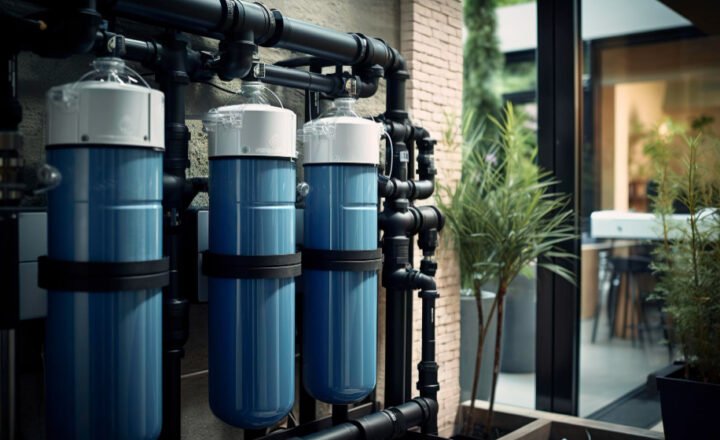
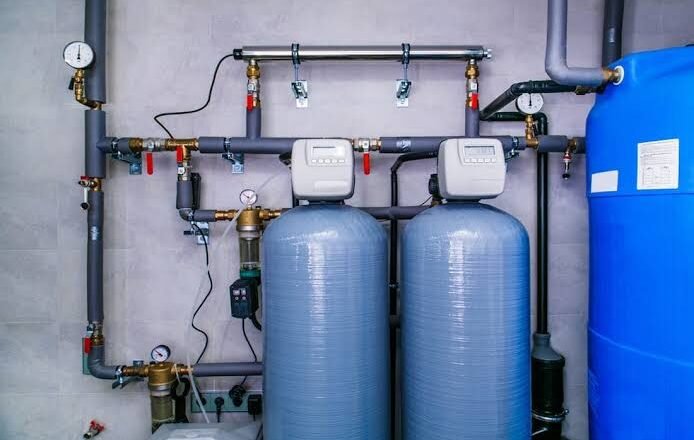
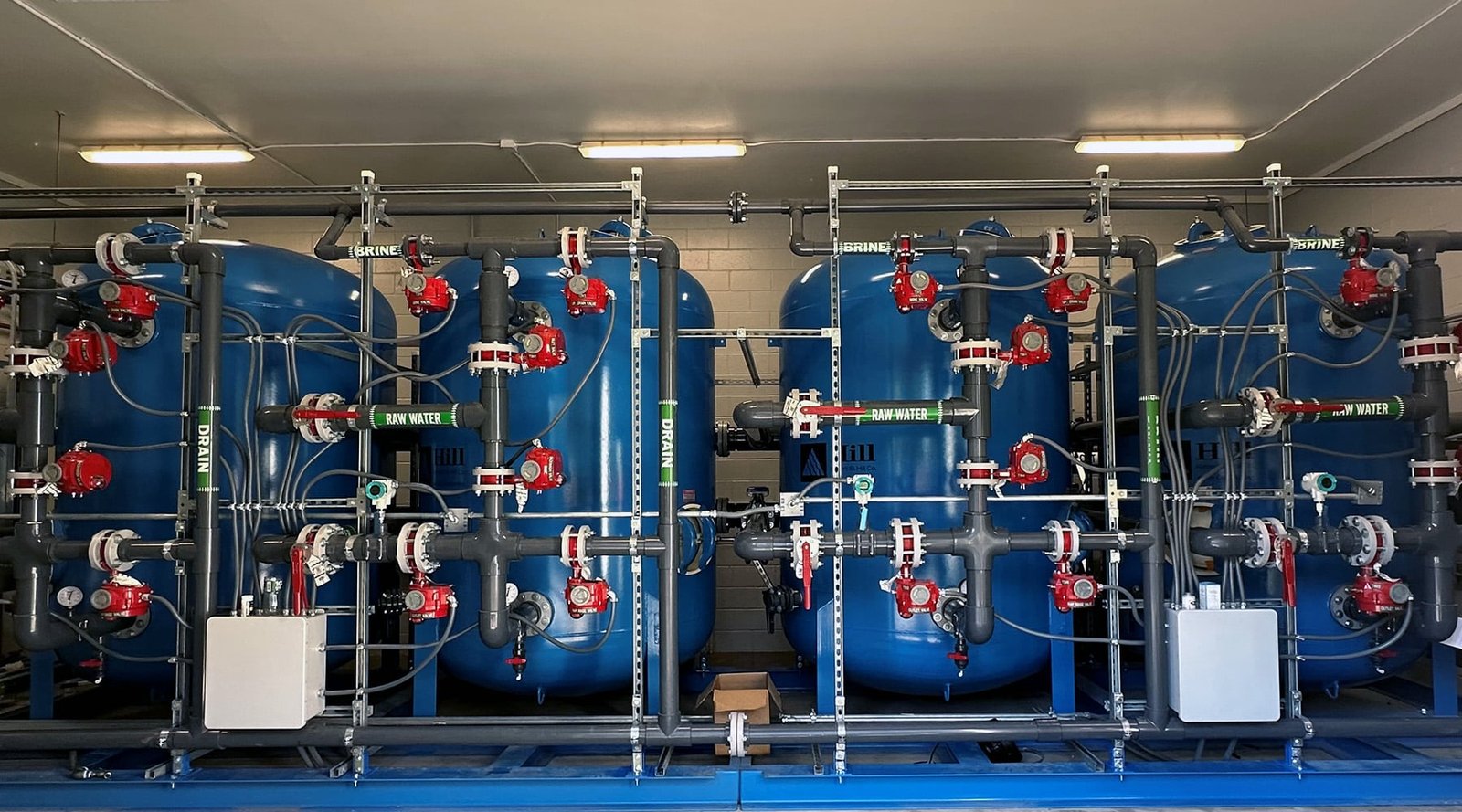
The first step is knowing what your system actually contains. Different treatment setups may include sediment filters, carbon filters, softening equipment, membranes, tanks, valves, pumps and other components.
It sounds obvious, but many homeowners don’t know which parts are consumable and which are designed to last for years. That’s worth finding out soon after installation.
Keep the manufacturer’s maintenance recommendations somewhere easy to find. A photo stored on your phone works, too. Having the model number and service information handy can save a surprising amount of time when something needs replacing.
Filters Don’t Last Forever
Filters are among the most commonly replaced parts in residential water treatment. Over time, they collect the sediment, particles or other substances they were designed to capture.
Depending on the equipment and water quality, replacement filters may be needed every few months or at longer intervals. There isn’t one universal schedule that works for every home.
Pay attention to changes in water taste, odor, flow or appearance. A filter that has become heavily loaded may restrict flow or simply stop performing as intended.
Waiting until a filter is completely exhausted isn’t a great maintenance strategy. In some cases, it can put additional strain on the rest of the system.
Specialized Media Has a Specific Job
Some treatment equipment relies on media designed for a particular water-quality issue. This can include materials intended to address iron, sulfur odors, certain dissolved substances or other conditions identified during water testing.
These specialty media aren’t interchangeable just because they may look similar. Each type is selected for particular treatment characteristics, operating conditions and regeneration or replacement requirements.
That’s why changing media without understanding the original treatment objective can create more problems than it solves. If your water chemistry changes, have it evaluated before making major modifications.
A treatment system should evolve with the water problem, not simply receive whatever material happens to be available.
Pay Attention to the Smaller Parts
It’s natural to focus on the large tank or filtration housing. Those are the parts you can easily see. But smaller system components can have an equally important role.
Valves, seals, fittings, tubing, pressure gauges, connectors and control mechanisms all contribute to reliable operation. A small worn seal might eventually become a leak. A faulty valve can affect regeneration or filtration cycles. A damaged connection can cause pressure loss.
None of these issues necessarily means you need an entirely new system. Sometimes a relatively minor repair restores normal performance.
That’s one reason periodic inspections are worthwhile.
Watch for Changes in Water Pressure
A gradual reduction in pressure can be easy to ignore, especially if it happens slowly. You may simply assume the plumbing is getting old.
But a clogged filter, restricted valve, buildup or another treatment-related issue can sometimes contribute to reduced flow.
Try to notice whether the pressure problem occurs throughout the house or only at particular fixtures. Also consider whether it happens all the time or mainly when several taps are running.
Those details can help a technician narrow down the cause. Guessing and replacing parts randomly can become expensive very quickly.
Keep an Eye on Water Taste and Odor
Your senses can be useful early warning tools.
If treated water suddenly develops an unusual taste or smell, don’t automatically assume you’ve imagined it. Changes can occur when filters become exhausted, equipment needs servicing or the incoming water quality changes.
Of course, not every change is caused by the treatment system. Plumbing issues, seasonal water changes and other factors can play a role.
Still, a noticeable change is a good reason to investigate rather than simply accepting it as normal.
Don’t Ignore Leaks
A small drip may not look urgent. After all, it’s only a few drops, right?
Over time, though, a small leak can damage cabinets, flooring, drywall or other nearby materials. Water treatment equipment is often installed in utility rooms, garages or under sinks, where unnoticed moisture can sit for quite a while.
Check connections and surrounding areas occasionally. Look for dampness, mineral deposits, corrosion or pooling water.
If a pressurized connection is leaking, don’t keep tightening fittings indefinitely. Over-tightening can damage components. When in doubt, shut down the affected equipment according to its instructions and have it inspected.
Professional Service Still Has a Place
Homeowners can handle some basic maintenance, but there are situations where professional service is the sensible choice.
If the system isn’t regenerating correctly, pressure is consistently poor, a tank appears damaged, electrical controls aren’t working, or water quality has changed significantly, it’s better to have someone familiar with the equipment diagnose the problem.
A trained technician can also check operating settings and verify whether the system is still properly sized for the household.
That’s particularly useful when your water use has changed or when you’ve added new appliances, bathrooms or other fixtures.
Keep a Simple Maintenance Record
You don’t need a complicated spreadsheet to keep track of water treatment maintenance.
Write down when filters were replaced, when the system was serviced and any unusual symptoms you’ve noticed. If the equipment uses salt or another consumable, make a note of that too.
This simple habit can reveal patterns. Maybe water quality starts changing after a certain number of months. Perhaps a filter consistently needs replacement sooner than expected.
Those observations can help guide future maintenance and make conversations with service professionals much easier.
Maintenance Is Really About Prevention
The biggest benefit of regular maintenance isn’t avoiding every possible repair. That’s unrealistic. Equipment eventually wears out.
The real advantage is catching small problems before they become expensive ones.
A filter changed at the right time is easier to deal with than a badly restricted system. A worn fitting replaced early is preferable to a leak discovered after water has damaged surrounding materials. A periodic water test can identify changes before they become a persistent household complaint.
In that sense, maintenance is less about perfection and more about paying attention.
Keep the System Useful for the Long Haul
A water treatment system is an investment in the everyday comfort of your home. Looking after it doesn’t have to become a major chore. Most of the time, it comes down to a handful of sensible habits: replace consumables when needed, watch for changes, keep the equipment clean and accessible, and call for professional help when something seems beyond basic maintenance.
And don’t forget that water quality itself can change. If the system was selected several years ago, your current needs may not be exactly the same as they were on installation day.
Good maintenance leaves room for that reality. Instead of waiting for a major failure, you keep an eye on how the system performs and make adjustments when they make sense.
The best-maintained treatment equipment isn’t necessarily the one nobody ever touches. It’s the one that’s checked, cared for and allowed to do its job properly — quietly, consistently, day after day.