There’s a stat that gets repeated everywhere – 90% of startups fail. But why startups fail, specifically, doesn’t get talked about enough. I’ve watched several startups shut down, and the pattern is almost always the same.
Let’s look at these reasons honestly.
The Biggest Reason – No Real Market Need
Quick answer: The biggest reason startups fail is a lack of product-market fit – the product exists, but nobody actually needs it enough to pay for it. CB Insights data shows this accounts for over a third of all failures.
Founders often fall in love with their own idea and skip the reality check. Have you ever wondered if your product is genuinely solving a problem, or if it’s just a “cool idea” on paper?
Running Out of Cash
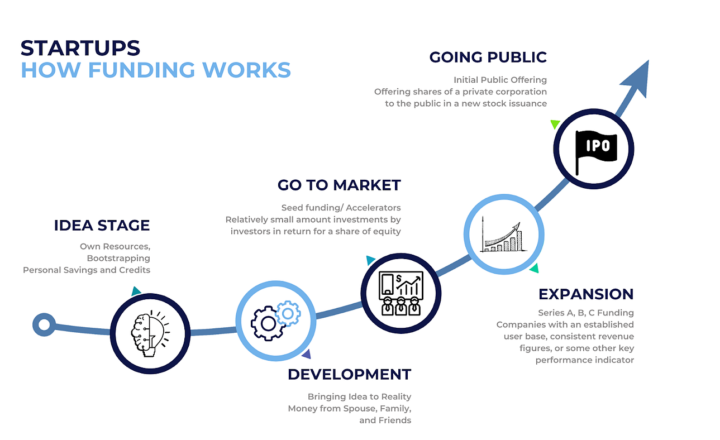
The second big killer is money. Startups typically have low revenue and high expenses – if cash flow isn’t managed carefully, things get shaky within 6-8 months.
Common cash flow mistakes:
- Spending too much on office space and staff early on
- Wasting marketing budget
- Not calculating runway properly
- No emergency fund
Hiring the Wrong Team
A great idea can still fail in the wrong hands. I saw a startup once where the founder had zero technical background but also didn’t hire a CTO – the product kept slipping deadlines.
Underestimating Competition
A lot of founders think “our idea is unique, there’s no competition.” This is a dangerous mindset. If the market is big, competition will exist – and if it doesn’t, maybe the market doesn’t either.
[link to related guide on doing market research]
Scaling Too Fast, Too Soon
This sounds ironic, but scaling early can also cause failure. A startup that can’t yet handle 100 customers properly, but builds infrastructure for 10,000, ends up wasting both money and resources.
Conflicts Between Co-Founders
This topic is a bit sensitive, but very real. Co-founder disputes – over profit sharing, decision-making, or a mismatch in vision – have quietly broken apart some genuinely promising startups.
[link to related guide on business partnership agreements]
Weak Marketing and Distribution
A great product means nothing if nobody knows about it. Many founders focus entirely on building the product and treat marketing as an afterthought.
Marketing basics that matter:
- Clearly defining your target audience
- Picking the right channel (social, SEO, or offline)
- Consistent branding
- A working customer feedback loop
Bad Timing
Sometimes the idea is right, but the timing is wrong. Plenty of today’s successful companies had competitors who tried the same thing earlier, when the market simply wasn’t ready.
FAQs
Q1. Is lack of funding the biggest reason startups fail? No, actually lack of product-market fit tends to be the bigger reason – funding issues often follow from that.
Q2. Can a founder try again after their startup fails? Absolutely – many successful founders had a failed startup before their breakthrough.
Q3. Do solo founders fail more often? Data suggests co-founder teams survive slightly better, but that’s not a guarantee.
Q4. What are early warning signs of a failing startup? Tight cash flow, dropping customer retention, and low team morale are common early signs.
Q5. Is the failure rate the same across every industry? No, tech and consumer product startups tend to show higher failure rates compared to service-based businesses.
Conclusion
Understanding why startups fail isn’t just a negative exercise – it’s a genuine learning opportunity. Founders who test product-market fit early, manage cash flow carefully, and resolve co-founder conflicts quickly cut their risk significantly. If you’re building something right now, treat these reasons like a checklist and revisit them every month.