Have you ever felt that a project has started, but you have no idea when it will end? You’re not alone. How to do project management — this is the question that comes to every small business owner, freelancer, and team lead’s mind when the deadline gets close and the work is still incomplete.
I’ve watched many teams work — from big corporates to two-three person startups. And one thing is common: those who break the project into structure are the ones who deliver on time.
What Project Management Actually Is
In simple terms, project management means completing any task through planning, execution, and monitoring, within a fixed timeline and budget — without confusion over who’s doing what.
This isn’t just for big projects. Whether it’s renovating a small shop or building a website for a client — the same principles apply to both.
Step 1: Break the Project Into Smaller Tasks
The biggest mistake people make is looking at the whole project as one big goal. “I need to build a website” — a goal this big will just confuse you.
Instead:
- Writing content
- Finalizing the design
- Development
- Testing
- Launch
Give each task its own deadline. Small wins also keep motivation up.
Step 2: Choose the Right Tool
This is where people overthink. You don’t need fancy software, you need consistency.
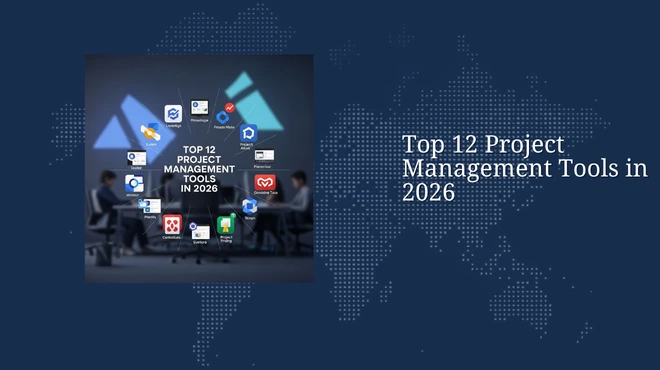
- Trello — for small teams, visual boards, free version is good enough
- Asana — a bit more structured, good for medium teams
- Google Sheets — yes it’s simple, but if you’re a team of 2-3 people, this works fine too
- Notion — if you want documentation and tasks in one place
A small Jaipur-based digital agency started using Trello simply because people kept forgetting tasks in the spreadsheet. Result — missed deadlines dropped significantly.
Step 3: Clearly Assign Responsibility
If a task’s owner isn’t clear, that task will never get completed — that’s a guarantee. Every task should have a name in front of it, not “the team.”
Don’t Forget to Set Milestones
Featured answer: milestones are checkpoints that tell you whether the project is heading in the right direction or not — they warn you well before big delays happen.
Without milestones, you’ll only find out on deadline day that the work is incomplete. Keep a small milestone every week, whether the project is 2 months long or 2 years long.
[link to related guide on time management tips here]
Do Weekly Check-Ins, Not Daily
Daily meetings kill energy, and people end up talking just for formality. A proper 20-30 minute weekly check-in works better — what happened, what’s stuck, what’s the next step.
- What got completed this week
- What’s getting blocked
- What’s next week’s priority
Identify Risks in Advance
Something will go wrong in every project — a vendor will be late, a client will change scope, a team member will fall sick. Successful managers list out risks in advance, so there’s no panic when a problem comes up.
[link to related article on how to motivate your team here]
FAQs
Q: What is the best free tool for project management? Trello and Google Sheets are both free and good enough for small projects. For a bigger team, you can also try Asana’s free tier.
Q: What is a project manager’s main job? Coordinating the team, tracking deadlines, and quickly identifying and solving problems — so the project completes on time.
Q: Do small business owners need project management too? Absolutely, if you complete anything in multiple steps — a renovation, a launch, or a campaign — basic project management saves both time and money.
Q: What to do if a deadline is missed? Inform the client/team immediately, give a new realistic timeline, and explain the reason. Hiding it is the biggest mistake.
Q: Is a course necessary to learn project management? Not necessary, but if you’re serious, an affordable course like the Google Project Management Certificate can help.
Conclusion
The answer to how to do project management isn’t complicated — the right tools, clear tasks, and regular check-ins get the job done. Break your current project into smaller tasks today and try a simple tool. Don’t wait for perfection, just start.