A company doesn’t have to spend a fortune on advertising to make a strong impression. Sometimes, the best marketing is already sitting outside the office, driving through town, or parked in front of a customer’s home. From delivery vans to catering vehicles, physical branding can turn ordinary spaces into memorable reminders of a business.
That’s the real appeal of modern visual advertising. It meets people where they are without interrupting their day. A well-designed graphic might catch someone’s eye for only a few seconds, but those seconds can be surprisingly valuable. When the design is clear, attractive and connected to a recognizable brand, it can help a small company look established and professional.
Why Mobile Branding Works So Well
People are constantly surrounded by advertisements. Billboards, social media posts, banners and online videos compete for attention every day. Vehicle-based advertising takes a slightly different approach because it becomes part of the environment.
A branded van moving through a neighborhood can reach homeowners, pedestrians and other drivers. A company truck parked at a busy commercial area might be noticed dozens of times throughout the day. There’s no need for someone to click anything or stop what they’re doing.
This is where fleet graphics can become particularly useful. Instead of treating every company vehicle as a separate marketing opportunity, businesses can create a consistent visual identity across an entire fleet. Matching colors, logos, typography and messaging make the company easier to recognize, even from a distance.
Consistency matters more than many businesses realize. If one van uses one logo, another has completely different colors and a third carries an outdated phone number, the brand can start feeling scattered.
Turning a Fleet Into a Moving Brand
A fleet doesn’t necessarily mean dozens of vehicles. Even two or three service vans can create a noticeable presence when they share the same branding.
For businesses with larger fleets, the effect becomes even more interesting. Delivery companies, plumbing services, HVAC contractors, cleaning businesses and logistics providers may have vehicles traveling across the same local area every day.
A smart fleet design usually keeps the important information simple:
- Company name and logo
- Main service or product
- Phone number or website
- A short, memorable message
- Social media details when appropriate
The goal isn’t to fill every available inch. Drivers and pedestrians don’t have time to read paragraphs while a vehicle is moving. Large lettering, strong contrast and a clean layout usually work better than complicated artwork.
Food Businesses Have a Unique Opportunity
Food businesses live in a very visual world. People make quick decisions based on what looks appealing, and that makes branding especially important for mobile food companies.
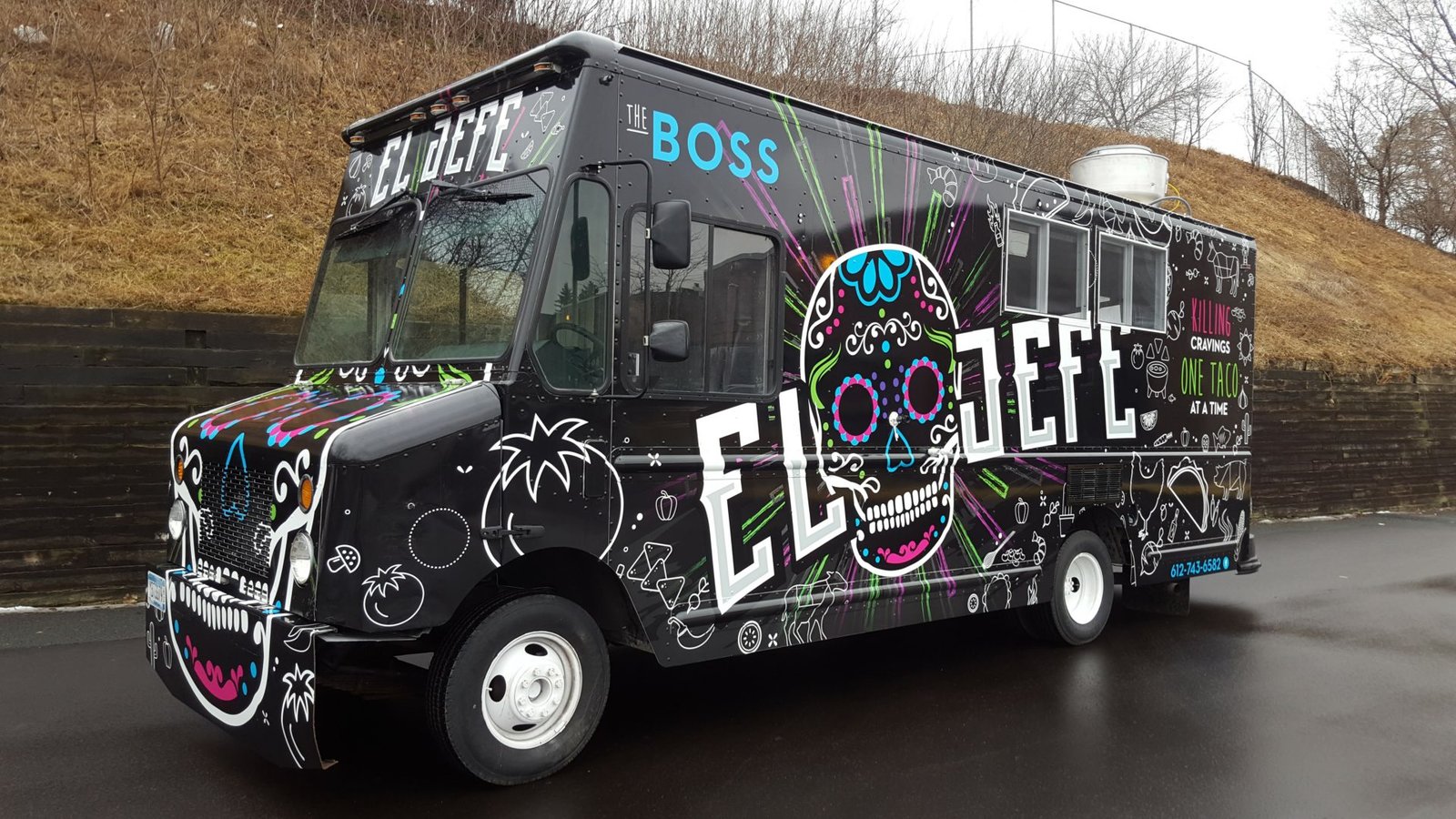
A food truck parked at a festival, office district or weekend market can attract attention before a customer even sees the menu. The colors, photographs, illustrations and overall personality of the truck help set expectations.
Well-executed food truck wraps can make a mobile kitchen feel like a recognizable brand rather than simply another vehicle selling lunch. A memorable design might become part of the experience itself. Customers may photograph it, share it online or remember the truck when they return to the same area later.
There’s a practical side to this, too. The wrap should work from several viewing angles. Someone standing behind the truck might see the business name, while a person approaching from the side sees the menu highlights or social media handle.
Design Should Match the Personality of the Business
One mistake businesses sometimes make is choosing a design simply because it looks trendy.
Trends come and go. Branding should have a little more staying power.
A children’s food business might use playful illustrations and bright visual elements. A high-end catering company may prefer a restrained, elegant appearance. A construction company probably needs something bold and straightforward.
The design should feel like the business.
Typography deserves attention as well. Decorative fonts can look fantastic in a design mockup but become difficult to read when the vehicle is moving. The same goes for overly detailed photographs and tiny contact information.
Good branding has a bit of restraint. It knows what to leave out.
Branding Doesn’t Stop at Vehicles
While mobile advertising gets plenty of attention, physical branding can also transform the places where customers interact with a business.
A reception area, retail store, restaurant, office or workshop can all become part of the brand experience. Wall graphics can communicate company values, showcase products or simply make an otherwise empty space feel more welcoming.
Even windows & walls can become useful branding surfaces when they’re designed thoughtfully. Frosted graphics might provide privacy while carrying a subtle logo. A colorful wall mural can create a memorable backdrop for customers. Window lettering can display opening hours, promotions or important information without making the space feel cluttered.
This kind of environmental branding is often overlooked, which is exactly why it can stand out.
Don’t Forget About Practicality
A beautiful graphic isn’t very useful if it doesn’t survive everyday conditions.
Outdoor branding needs to handle sunlight, rain, dust and regular cleaning. Installation quality also matters. Poorly fitted vinyl, bubbles, wrinkles or unfinished edges can make a professional company look careless.
Businesses should also think about maintenance before choosing materials. Ask how the graphics should be cleaned and what products should be avoided. It’s much easier to protect a branding investment when the care requirements are understood from the beginning.
And before anything goes into production, proofread every detail. A wrong phone number is not a minor design issue. It’s a marketing problem.
Making Visual Branding Work Harder
The strongest physical branding usually supports other marketing channels instead of operating alone.
For example, a branded vehicle might display a website that leads customers to an online booking page. A wall graphic could include a QR code for a digital menu. A food truck could use consistent colors and imagery across its vehicle, packaging and social media profiles.
That creates recognition across different touchpoints.
Someone might first notice a van on the road, then see the same logo on Instagram a few days later. Familiarity starts building almost without conscious effort. That’s the quiet power of consistent branding.
A Little Creativity Goes a Long Way
The best visual advertising doesn’t always shout. Sometimes a clever phrase, unusual illustration or beautifully simple logo is enough to make someone look twice.
Businesses have plenty of physical surfaces available to them, from vehicles and trailers to storefront glass and interior walls. The opportunity is really about using those surfaces intelligently.
A good design should tell people who you are, what you offer and why they should remember you—without making them work too hard to figure it out.
In the end, successful branding isn’t just about being seen. It’s about being remembered. When a company creates a consistent visual identity across its vehicles and physical spaces, everyday surroundings can become valuable marketing assets. And sometimes, that simple idea can make a surprisingly big difference.