
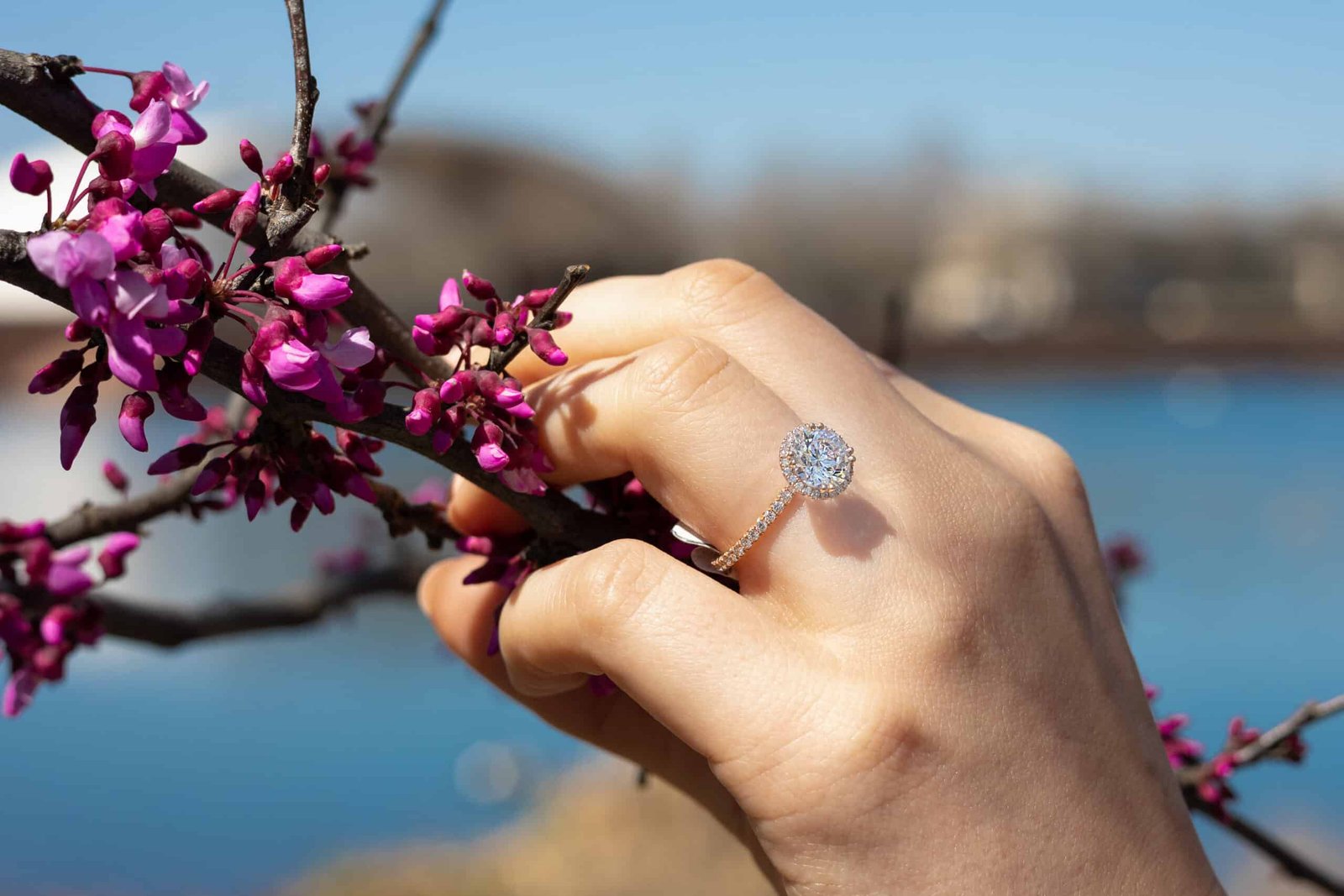
A lab-grown diamond grading report contains several useful facts, but the order in which you read them matters. Start by confirming the report belongs to the stone the seller is offering. Then use the description and measurements to understand how it compares with other diamonds. Only after that is it worth asking how much a particular grade matters for the ring you have in mind.
Have the listing, report and any video open together. Keep the information visible as you move from one to the next. Make a note of any term you want the seller to clarify. A guide to choosing a lab diamond ring with confidence can help you connect the written details with what you see when the stone is on the hand.
Confirm identity and match the report to the stone
Look for the laboratory’s name, report number and description of the stone’s origin. Read the precise wording. Depending on the report, you may find information about the growth method or treatments, and the format may vary with the laboratory and report date. Use the laboratory’s verification service if available. Confirm the number and measurements match the information the seller gives you.
If the diamond has a report inscription, ask whether the jeweller can show it to you under magnification. It may be harder to see after mounting, depending on where it sits. Ask what report or reference will be included at delivery and have the seller identify the centre stone in the order confirmation.
Read the details that affect the comparison
Note the carat weight and the dimensions in millimetres. The weight describes how much diamond there is. The measurements help you picture its width, length and depth. For an oval, for example, length and width are useful for comparing the visible spread of stones at similar weights. The depth also affects how the stone can sit in a mount.
Look at the information about colour, clarity, polish and symmetry, or the quality assessments the particular report provides. Some reports describe features in a plot or comments. If you see something you do not understand, ask the jeweller to locate it on the stone and explain whether it affects the look or the intended setting. A higher grade may make little visible difference in the size and shape you are comparing.
Check the report against the appearance and setting
Ask for a face-up view and a slow tilt. Look under ordinary light if possible, then watch how the pattern changes under a more focused source. A report can give you common terms for comparing diamonds, but the movement of light is easier to judge in person or in a video. Ask for the exact stone, especially if the website uses a representative image.
Consider where the mount will cover the diamond and whether a feature near the edge matters for the proposed design. Ask how high the diamond will sit and how the band will fit beside it. If you are choosing between complete rings, compare the entire quote and the care terms along with the diamond reports.
Final Thought
Use the report to identify and compare the diamond, then let the stone and setting answer the visual questions. Keep the report number and final ring specification together so you can refer to both after the purchase.