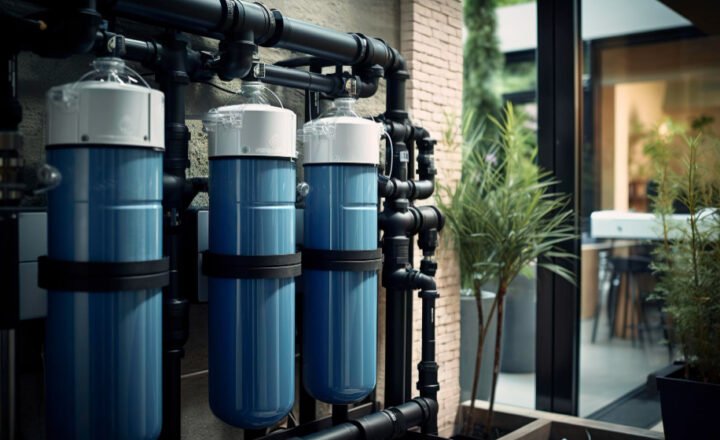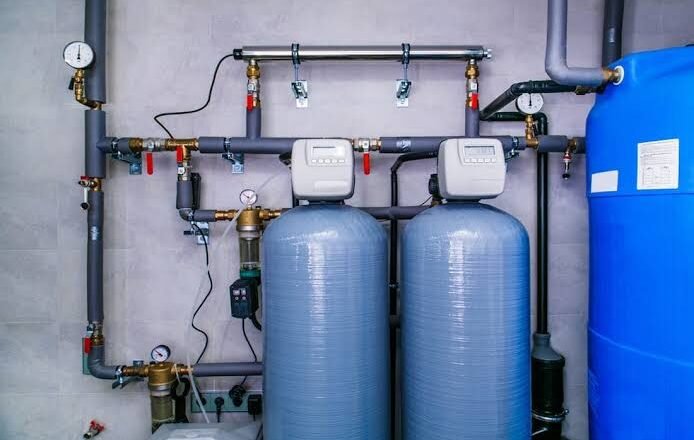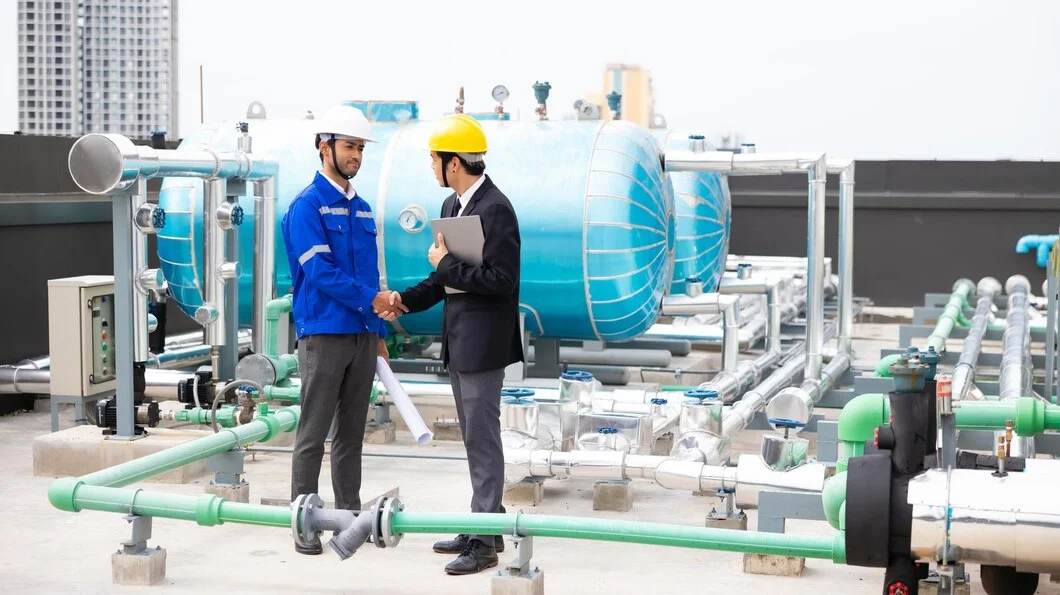
Water plays a bigger role in business than many people realize. In a restaurant, it’s part of food preparation, cleaning, beverages, and ice production. In a hotel, hundreds of guests may use it every day. In an office, employees expect reliable water from break-room taps without giving the plumbing a second thought.
When everything works, water is almost invisible. When it doesn’t, the problems can become surprisingly noticeable.
Scale on fixtures, unpleasant odors, clogged filters, equipment problems, or inconsistent water performance can create unnecessary headaches. For businesses, those headaches can also cost time and money. That’s why choosing the right treatment approach—and maintaining it properly—deserves more attention than it often gets.
Every Business Has Different Water Needs
There isn’t one treatment system that makes sense for every commercial property. A small office has very different water demands from a busy restaurant, apartment complex, hotel, manufacturing facility, or healthcare building.
Water usage, flow rate, operating hours, plumbing design, and the type of equipment connected to the water supply all matter.
For example, a restaurant may need treatment that supports high water demand while protecting equipment from scale. A hotel may be more concerned about consistent water throughout multiple floors. An office might have relatively modest requirements but still want better-tasting drinking water.
This is where commercial water treatment becomes less about buying a product and more about designing a solution around the property.
Start With Testing
Before selecting equipment, understand the water itself.
Water testing can reveal hardness, pH, sediment, dissolved substances, and other characteristics that may influence treatment decisions. The exact tests needed depend on the property’s water source and the concerns being investigated.
Testing is particularly useful when a business is experiencing a problem that seems difficult to explain. Maybe filters are clogging too quickly. Perhaps scale keeps returning even after cleaning. Or an appliance that uses water is requiring more maintenance than expected.
Rather than guessing, testing provides information that can guide the next step.
Hard Water Can Affect Business Operations
Hard water is more than a residential nuisance.
In commercial settings, mineral buildup can become expensive when water-using equipment operates constantly. Boilers, water heaters, dishwashers, coffee machines, ice makers, and other equipment may be exposed to hardness minerals every day.
Over time, scale can accumulate on internal components and surfaces. Depending on the equipment and operating conditions, that may contribute to maintenance needs or reduced efficiency.
A properly selected water softener can help reduce hardness before water reaches equipment. But again, the system needs to be sized correctly for the property.
A small residential unit isn’t going to magically become a commercial solution just because it’s installed in a business.
Capacity and Flow Rate Matter
Commercial water treatment requires more attention to demand than many residential installations.
A system might perform well during quiet hours but struggle when demand suddenly increases. Think about a restaurant during its busiest service, a hotel in the morning, or an apartment building when many residents are showering before work.
Flow rate and treatment capacity should therefore be considered together.
The goal isn’t simply to choose the biggest available system. Oversizing can increase costs and complexity, while undersizing can lead to poor performance during peak demand.
A proper evaluation should consider both typical and peak usage.
Installation Needs Careful Planning
Commercial properties often have limited mechanical-room space, complicated plumbing, and equipment that can’t easily be taken offline.
Installation planning should account for access, drainage, electrical requirements where applicable, and future maintenance. Treatment equipment shouldn’t be positioned in a way that makes servicing difficult.
A well-planned installation also considers what happens if the system needs repair. Can the business continue operating? Is there a bypass? Can filters be replaced without causing major disruption?
These aren’t glamorous questions, but they’re the questions that matter when something goes wrong.
Service Shouldn’t Stop After Installation
The installation date is only the beginning of a treatment system’s life.
Filters need replacement. Tanks and valves may require inspection. Softener systems need appropriate salt levels and periodic checks. Settings may need adjustment as water usage changes.
Reliable service & support can make ownership much easier because businesses don’t have to figure out every problem on their own.
This is particularly important for commercial customers. If a treatment system stops working, the consequences can extend beyond an inconvenience. Production may slow, equipment may be affected, and customers can notice the difference.
Having a clear service plan gives businesses one less thing to worry about.
Salt Management Is Easy to Overlook
For businesses using salt-based water softeners, keeping an adequate salt supply is essential.
Running out of salt may prevent the softener from regenerating properly, allowing hard water to move through the system. In a busy commercial property, checking salt levels manually can become one more chore for staff who already have plenty on their plates.
A dependable salt delivery service can help simplify that responsibility. Scheduled deliveries or service arrangements can keep the system supplied without requiring someone to remember every time the salt tank gets low.
For larger facilities, this small convenience can have real operational value.
Watch for Signs of Trouble
Commercial treatment systems often provide clues before a major failure occurs.
A sudden change in water pressure, returning scale, unusual taste or odor, or a noticeable increase in filter replacement frequency can all deserve attention.
Don’t automatically assume that the entire system needs replacing.
A clogged filter, incorrect setting, mechanical issue, or depleted treatment media could be responsible. Early inspection may identify a relatively simple fix before the problem becomes expensive.
Training staff to recognize basic warning signs can also help. They don’t need to become water-treatment technicians. They simply need to know when something doesn’t look normal.
Maintenance Protects the Investment
Routine maintenance is often less expensive than emergency repairs.
Keep records of filter changes, service visits, salt deliveries, and equipment inspections. Follow the manufacturer’s maintenance recommendations and make sure employees know who is responsible for monitoring the system.
For businesses with multiple pieces of water-using equipment, coordinated maintenance can make things even easier.
It’s also worth reviewing the system periodically. Business operations change. A restaurant may add equipment. An office may expand. A hotel may renovate rooms. Increased water demand can change what the treatment system needs to handle.
Think About Long-Term Operating Costs
The initial equipment price doesn’t tell the whole story.
Businesses should consider installation, replacement filters, salt, electricity, routine service, water consumption, and potential downtime. A system that costs less upfront may become expensive if maintenance is frequent or replacement parts are difficult to obtain.
On the other hand, spending more doesn’t guarantee better performance.
The better question is whether the system delivers appropriate treatment at a reasonable long-term operating cost.
That requires looking beyond the sales brochure and considering how the equipment will actually function in the property.
A Practical Approach to Commercial Water Treatment
Water treatment may not be the most exciting part of running a business, but it can have a surprisingly large impact on daily operations.
Start with the water. Understand the property’s usage patterns. Identify the specific problems you’re trying to solve, and select equipment designed for those conditions.
Then think beyond installation. Plan for maintenance, service, replacement parts, and salt management if applicable. A treatment system should be something the business can rely on—not another piece of equipment everyone worries about when it stops working.
The best commercial water solution is rarely the flashiest one. It’s the system that quietly does its job, fits the property’s demand, and has dependable support behind it.
When those pieces are in place, water becomes what it should be for most businesses: reliable, predictable, and one less thing standing between the team and the work that actually matters.