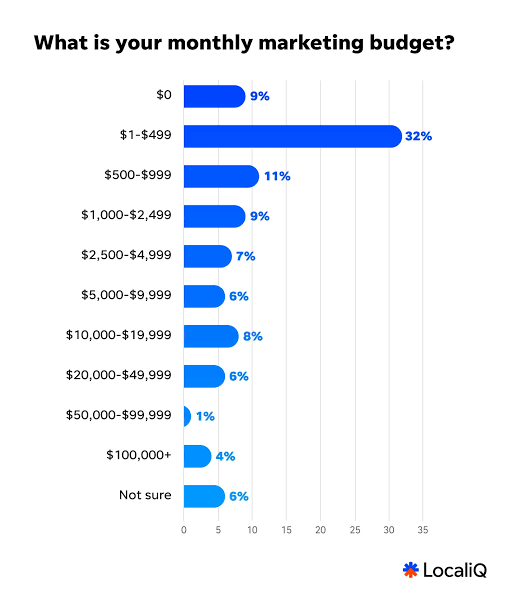
How much to spend on marketing — this question confuses every small business owner. Spend too much and there’s fear of loss, spend too little and there’s no growth. Planning a small business marketing budget needs both science and a bit of experience.
I’ve seen that most small business owners either spend randomly or don’t spend at all — both extremes are problematic.
What Should Be The Ideal Marketing Budget For A Small Business
Quick answer: allocating 5-10% of revenue to marketing is generally reasonable for small businesses, for new businesses this percentage can be a bit higher (10-15%) because awareness needs to be built in the beginning.
Calculate Your Budget Based On Total Revenue
If your monthly revenue is ₹2 lakh, then ₹10,000-₹20,000 is a reasonable marketing budget. For a new business whose revenue is currently low, decide on a fixed amount you can afford without disturbing cash flow.
Balance Free And Paid Marketing
Don’t put everything into paid ads. Organic content (social media posts, SEO) is free, takes time, but is sustainable long term.
- 60% budget on paid ads (Facebook, Google, Instagram)
- 30% on content creation (photography, video, design)
- 10% on tools and software (scheduling tools, analytics)
Track The ROI Of Every Channel
Featured answer: the most important part of a marketing budget is tracking the return of every channel — which platform is actually bringing sales and which is just impressions — because without tracking, you keep spending money blindly.
Use a unique tracking link or coupon code for every ad campaign, so you know which channel is actually converting.
Start With Small Testing
Don’t start with a big budget all at once. First test a platform with ₹2,000-₹3,000, see how the result comes, then scale what’s working.
[link to related guide on how to increase brand awareness here]
Keep Seasonal And Festival Budget Separate
Keep extra budget for Diwali, Rakhi, or any peak season. This is the time when people buy more, and competitors also advertise more, so you need visibility too.
[link to related article on ways to increase sales here]
Make Maximum Use Of Free Tools
Canva (for design), Google My Business (local visibility), and Instagram/Facebook’s native scheduling tools — these are all free and save budget that you can invest in advertising.
Review The Budget Regularly
Every month, see what’s working and what isn’t. Remove budget from the channel that isn’t giving results and put it into what’s working. A flexible, data-driven budget is better than a static one.
FAQs
Q: What should the marketing budget be for a new business? 10-15% of revenue is reasonable for new businesses, because awareness needs to be built in the beginning.
Q: Can marketing be done without a budget? Yes, zero-budget marketing is possible through organic social media content and local networking, but growth is slow.
Q: What should be spent the most on in a marketing budget? This depends on your goal — if you need awareness then content and reach, if you need sales then conversion-focused ads.
Q: What’s the difference between Facebook Ads and Google Ads in budget allocation? Facebook Ads are good for visual products and brand awareness, Google Ads are better for high-intent searches when people are already thinking of buying.
Q: What to prioritize if the marketing budget is low? Prioritize existing customer retention and organic social media content — these are the lowest cost, highest trust channels.
Conclusion
Planning a small business marketing budget isn’t hard if you follow a revenue-based percentage and regularly track what’s working. Look at your current month’s revenue today and allocate a realistic marketing budget accordingly.
Suggested Image Alt Text:
- “small business owner planning marketing budget spreadsheet”
- “marketing budget allocation chart for small business”
- “entrepreneur tracking ad campaign performance on phone”