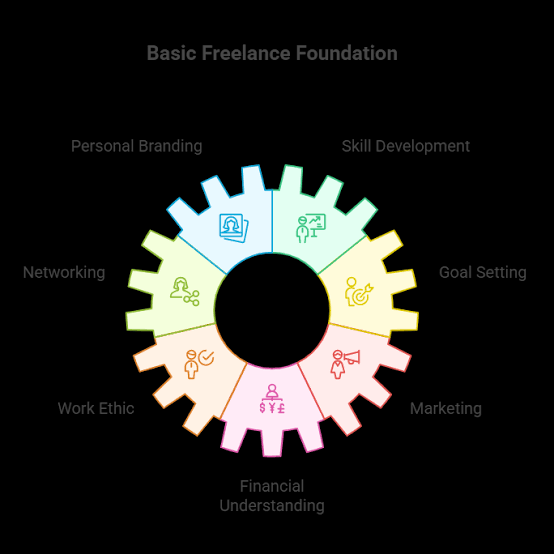
Leaving a job to start freelancing feels daunting — no fixed salary, no guarantee. But if you think about it the right way, how to start freelancing isn’t as risky as it seems, especially if you start on the side.
I’ve seen many people who jumped into freelancing without proper planning after quitting their job, and struggled. Those who start gradually have a much smoother transition.
What Is The Most Important Thing To Start Freelancing
Direct answer: the most important thing to start freelancing is a specific skill you’re already good at — writing, design, coding, or marketing — because a generic “I can do everything” approach doesn’t attract clients.
Narrow Down Your Skill
“I am a content writer” is worse than “I write blog content for SaaS companies.” The more specific you are, the easier it is to attract the right clients.
Build A Portfolio (Even Without Clients)
In the beginning, you won’t have clients, that’s normal. Create 3-4 sample projects for yourself — like if you’re a designer, make logo and social media designs for a fictional brand.
- Upload your portfolio on Behance or Dribbble (for design)
- Keep writing samples on Medium or a personal blog
- Keep code samples on GitHub (for developers)
Start With Freelance Platforms
Platforms like Upwork, Fiverr, and Freelancer.com are good starting points for beginners. Competition is high, but here clients are already looking for freelancers, so the initial trust-building work is a bit easier.
How To Decide Pricing
Featured answer: in the beginning, charge a bit below market rate so reviews and experience can build up, but don’t go too low either — this only attracts low-quality clients who don’t respect you.
As experience and portfolio strengthen, gradually increase rates. Review your pricing every 3-4 months.
[link to related guide on how to find freelance clients here]
Start Parallel With Your Job
If possible, start freelancing on the side before quitting your current job. Work on weekends and evenings. When freelance income equals or exceeds your job income, think about the transition.
Take Contracts And Payments Seriously
Keep a simple written agreement even for small projects — what’s the deliverable, by when, and what are the payment terms. This avoids future confusion.
[link to related article on time management tips for business owners here]
Consistency And Networking
Freelancing income can be unpredictable in the beginning. Stay active on LinkedIn, share your work, and ask existing clients for referrals. Networking is what brings most consistent work.
FAQs
Q: How much skill is needed to start freelancing? One marketable skill is enough to start — perfection isn’t necessary, but the basic quality of work should be good.
Q: How long does it take for freelancing to bring stable income? Generally 6 months to 1 year to build a consistent client base.
Q: Is quitting a job for freelancing the right decision? Depends on financial situation. It’s better to try it on the side first, move full-time when income is stable.
Q: How should freelancers file taxes? Freelance income falls under “business income,” you need to file ITR-3 or ITR-4 depending on turnover.
Q: What’s the best freelance platform for beginners? Upwork and Fiverr are both good for beginners, but every platform has its own learning curve.
Conclusion
How to start freelancing — the answer is narrow down your skill, build a portfolio, and start on the side before making the full jump. Don’t expect overnight success, it’s a gradual process. Start building your portfolio today, even if it’s just a simple document.
Suggested Image Alt Text:
- “freelancer working on laptop at home office”
- “freelance portfolio samples displayed on screen”
- “freelancer reviewing client contract and payment terms”